Transforming schools by listening, learning, and reimagining.
On-the-ground work transforming public schools
topic exploration
qualitative analysis
What it looks like, why we should do it, and how to turn it into action.
ai use & ethics
Using AI to make sense of qualitative information, and the concerns that come with it.
design & rollout
Building real opportunities with your school or organization, for young people and adults.
agenda
introductions / conversations
semiotic transfer
lunch
reflections
qualitative reasoning
building an empathy interview system
semiotic transfer
What do these seemingly unrelated things reveal?
What patterns are beginning to repeat?
And what happens when we use those patterns to rethink the thing we're actually trying to understand?
typical presentation
A lot of information
Turn and talk
More information
Build our design
Many ideas back-to-back; mostly activities
Reflect together
More and more specific…
Build our design
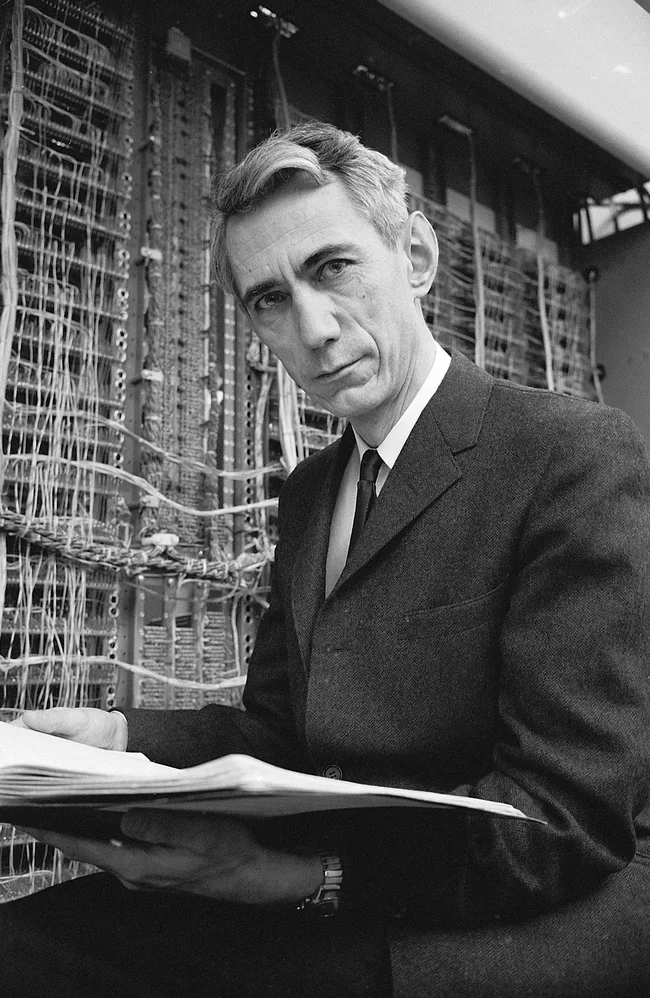
Claude Shannon
claude shannon's letter guessing experiment
The following is an ordinary English sentence with only letters A–Z. For each, we will record how many guesses it takes.
What do you notice about the patterns?
When is this puzzle most difficult?
When can we, nearly always, be certain to solve the rest of the puzzle?
imagine an entity that read this as the number of guesses
What do you notice about these numbers?
Where do the big numbers show up?
Why is “moo” all 1s?
0%
findings
75% (!) of language is predictable.
Replicated in Afrikaans, Swahili, Latin, and even dolphin whistles.
consider: did we need to “understand” that sentence to complete the letter guessing experiment?
What patterns do you notice?
Intercepted transmissions
Letter (word) guessing…
Zumi saki lum .
Predicted next word
kesh70%
vesh30%
tar0%
nori0%
claudeshannon's letter guessing experiment
The cow goes moo.
learned representation
Patterns the model has learned (not human experience)
images as storytelling
in a small group
Reflect and consider the question: “What was your school experience like as a 7th grader? Choose one image to represent that experience.”
Wait for everyone to signal they've chosen an image (multiple people can choose the same one).
One at a time, share your choice and why. If you had the same image, jump ahead and “piggyback” off their answer.
As a group, consider: How do images change what, why, and how we share information?
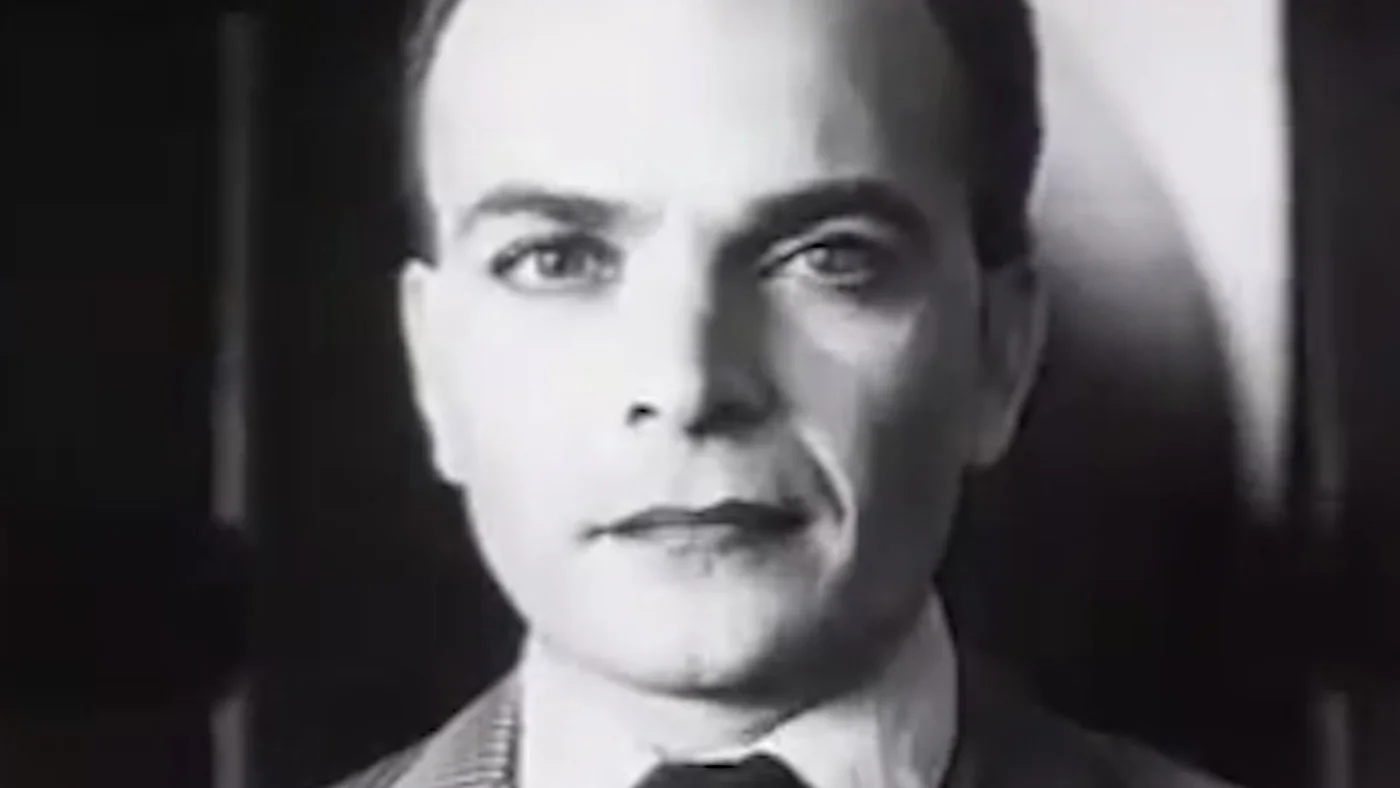
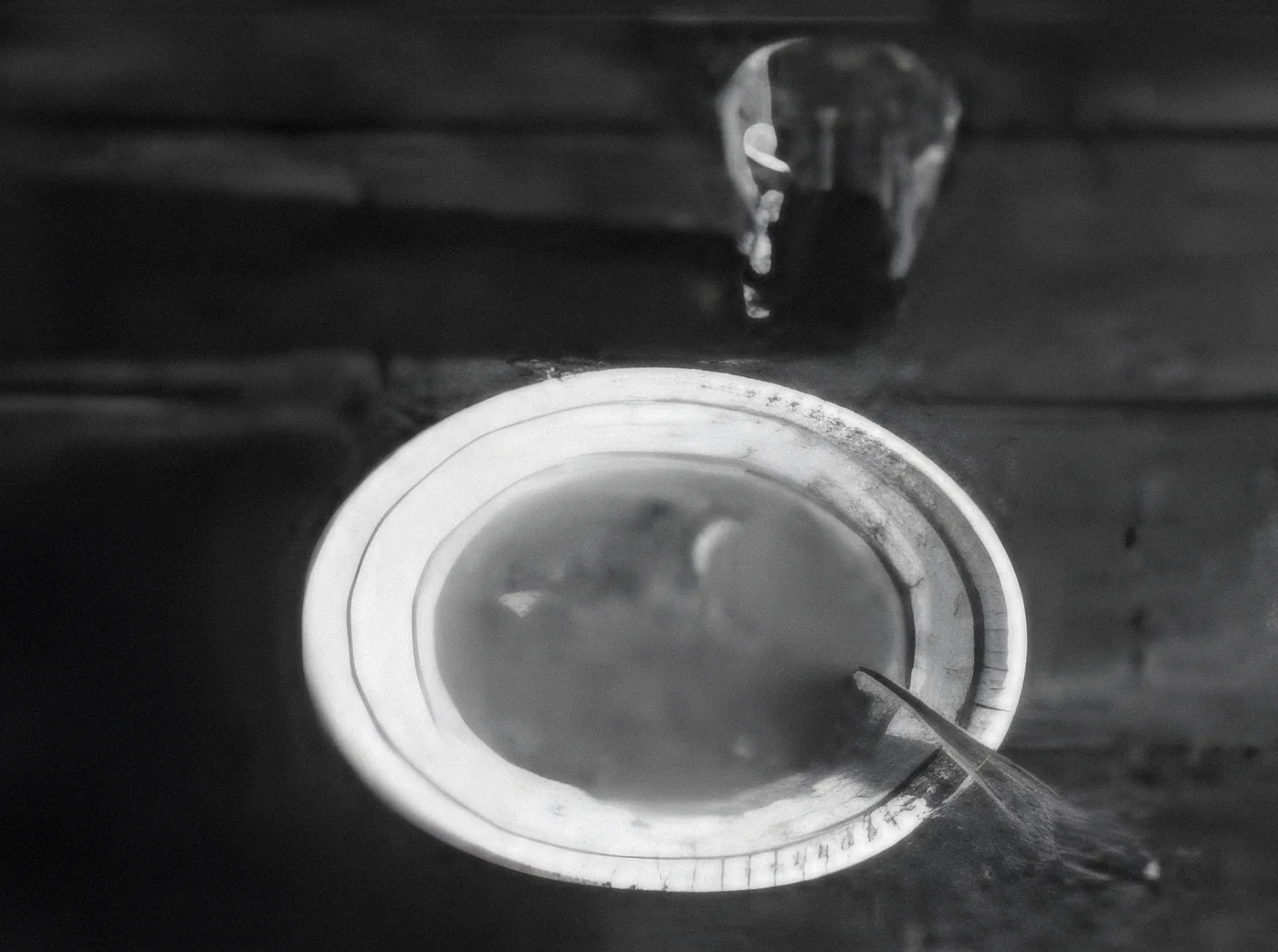
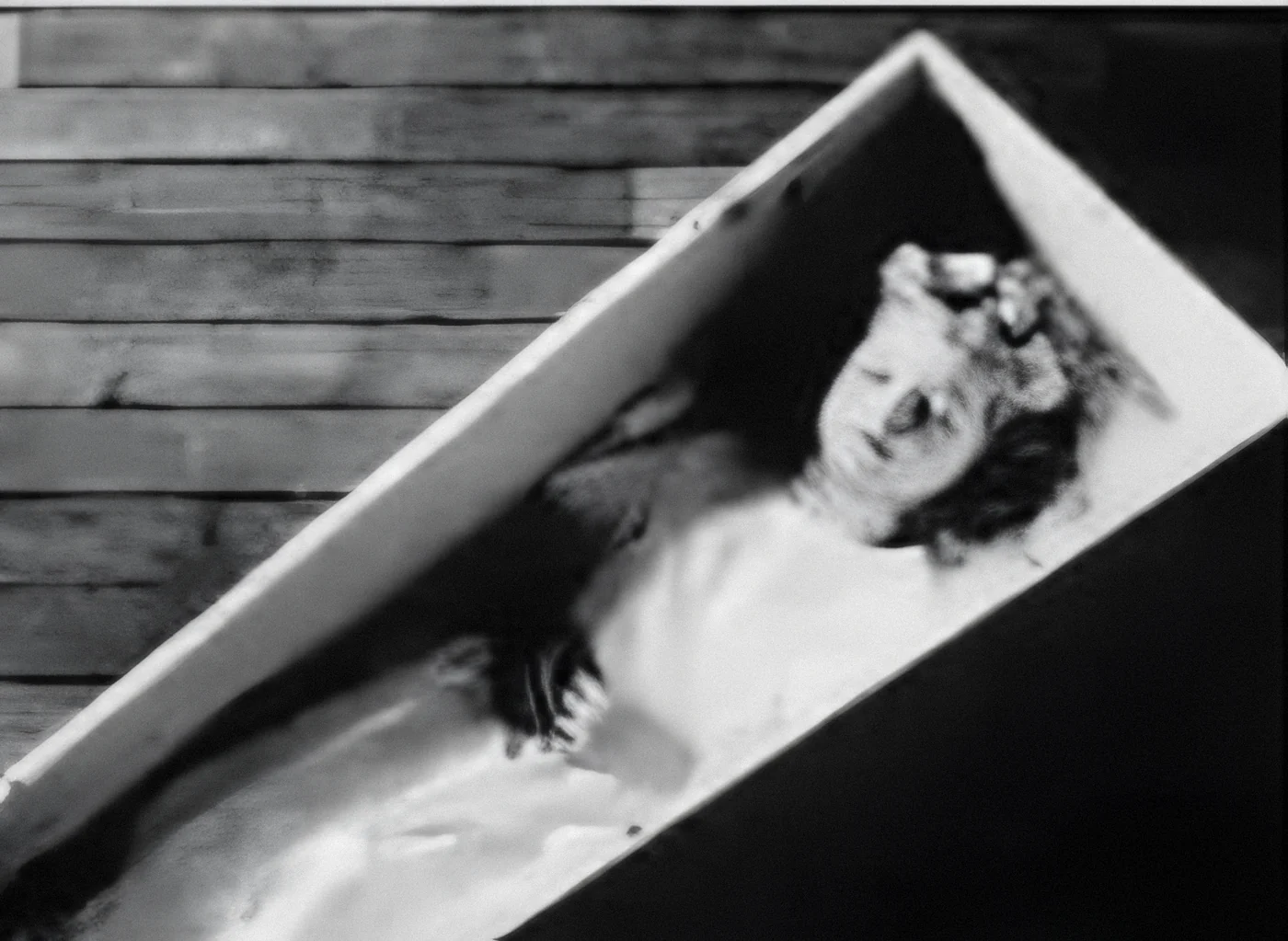
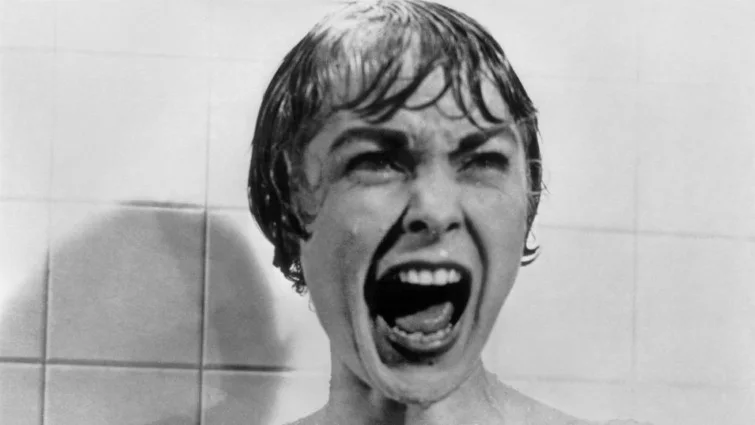
the kuleshov effect
What emotion/feeling is the actor portraying?
Despite being the exact same shot, unknowing audiences believed the actor gave an incredible performance.
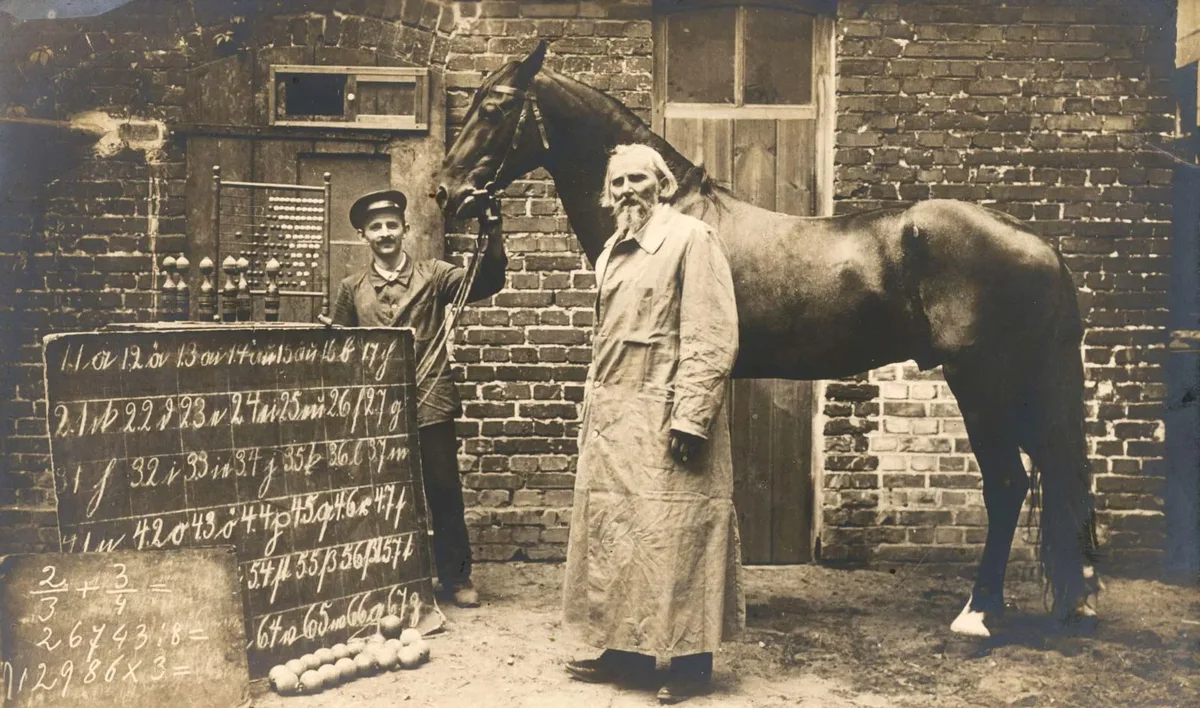
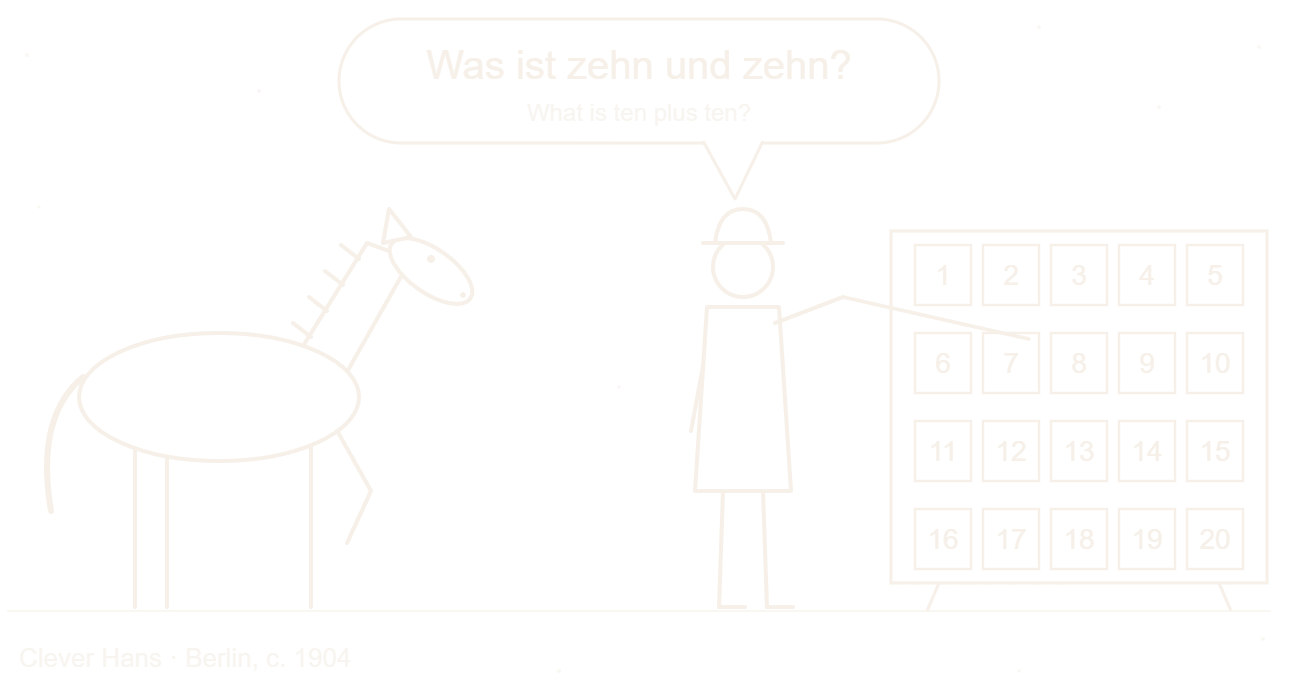
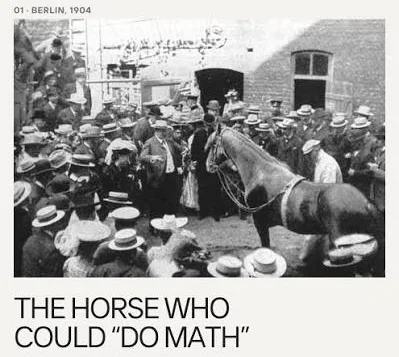
“horse math” clever hans
“chunking”
“chunking” (the magic number 4)
Chiang, F.-K., & Rich, E. L. (2026). Compression as a neural mechanism of mnemonic chunking in prefrontal cortex. Current Biology. https://doi.org/10.1016/j.cub.2026.08.016
322
43642
433
An additional point to consider… How does our working memory influence what patterns we see, and how we distinguish them?
consider
What connections are you making?
What are you thinking about?
the stereotype threat
54 participants with strong SAT and ACT math scores, put into 2 groups
MenWomen
the stereotype threat
80 participants inexperienced in golf, put into 4 groups
Race and variable
Natural Ability
Sports Intelligence
“Race Prime”
Control
Black participants
Strokes
23.10
27.20
27.30
22.10
Change in anxiety
−2.00
+4.90
−2.10
+1.20
Discounting
2.80
2.70
2.40
3.20
White participants
Strokes
27.80
23.30
22.90
24.60
Change in anxiety
+1.90
+0.70
−2.60
+0.40
Discounting
6.30
2.00
2.70
2.70
this same stereotype threat is found in
Asian and White men in mathematics tests Aronson et al. (1999)
Women and men in workplace negotiations Kray, Galinsky, & Thompson (2002)
Older and younger adults on memory tests Armstrong et al. (2017)
Women and men in driving simulations Yeung & von Hippel (2008)
Low-income and high-income students in intelligence tests Croizet & Claire (1998)
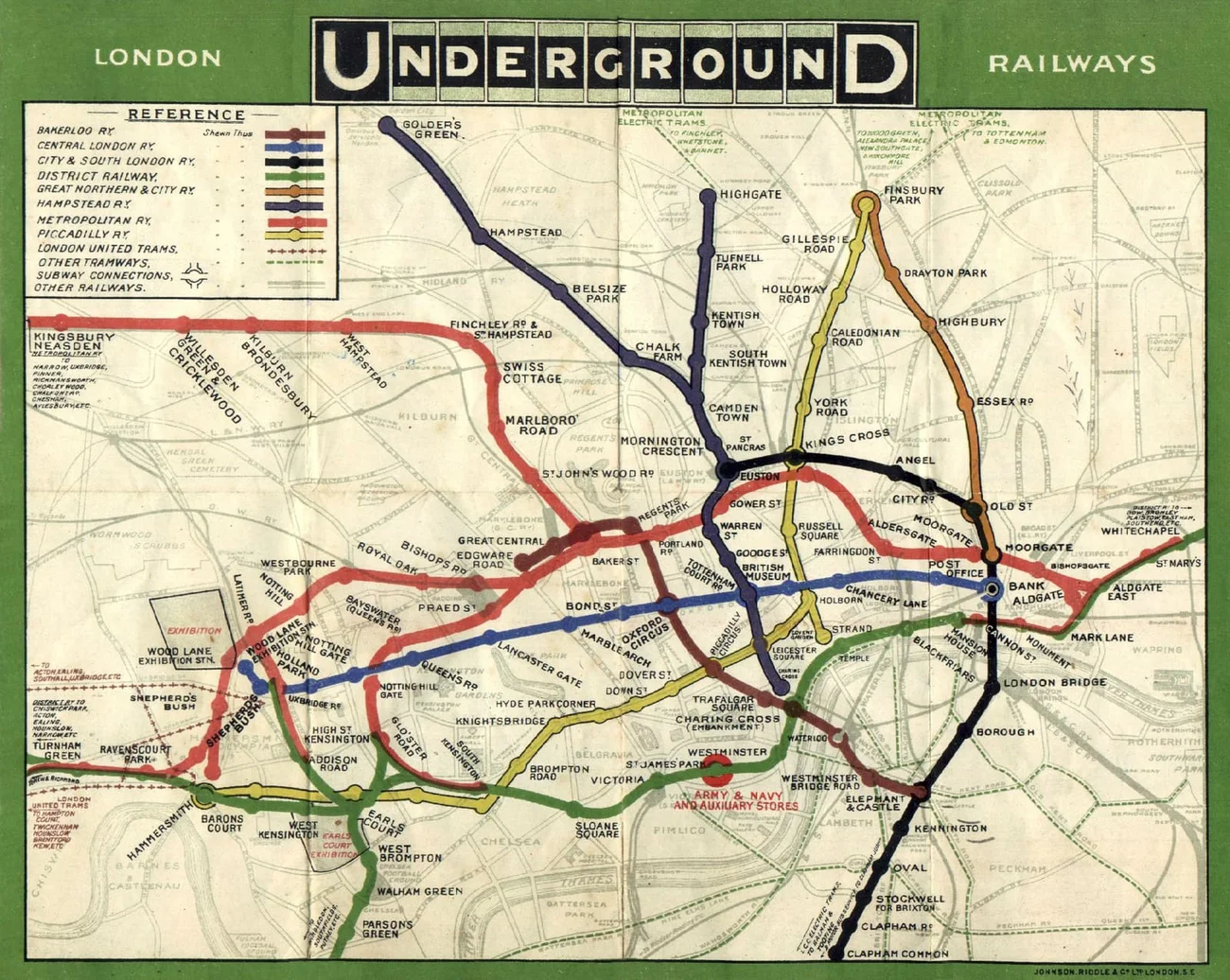
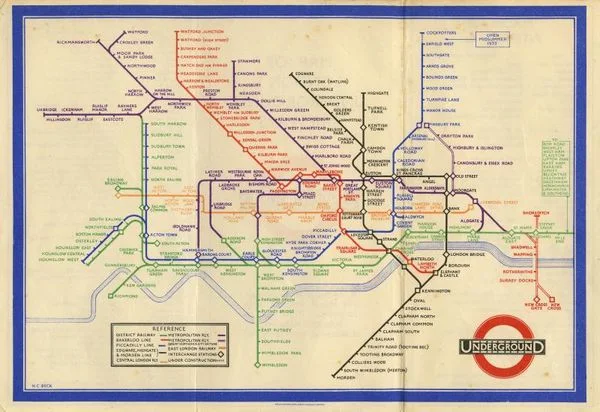
harry beck's tube map
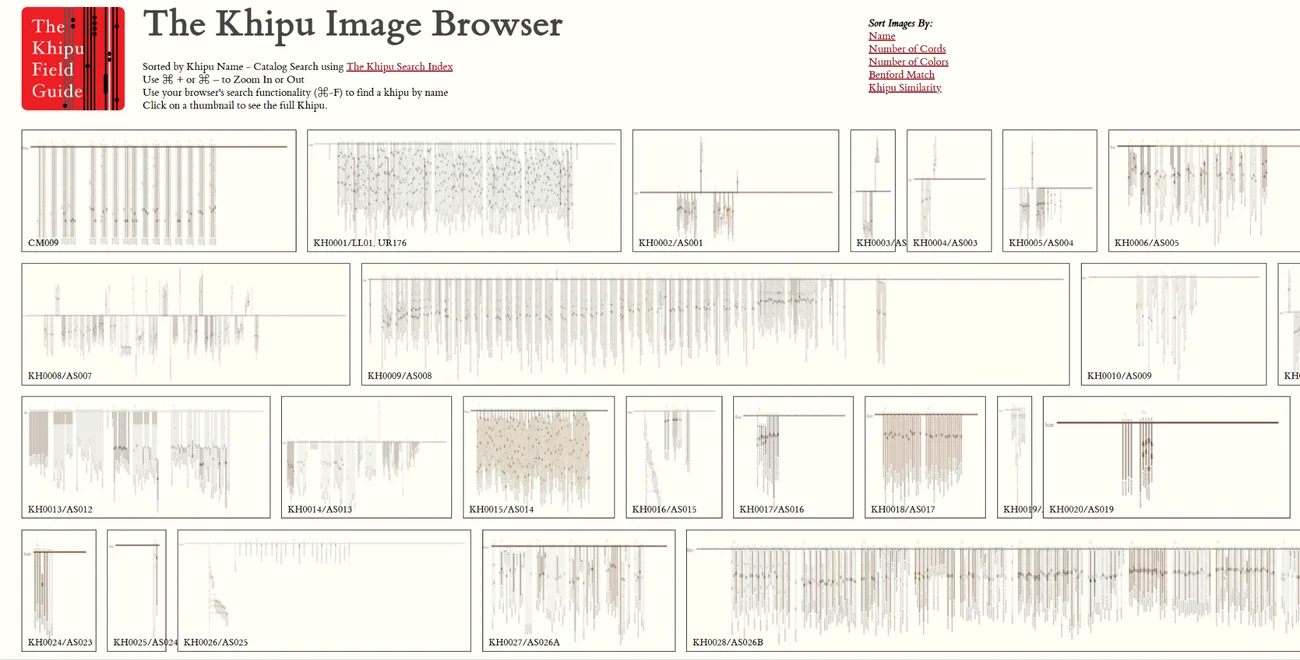
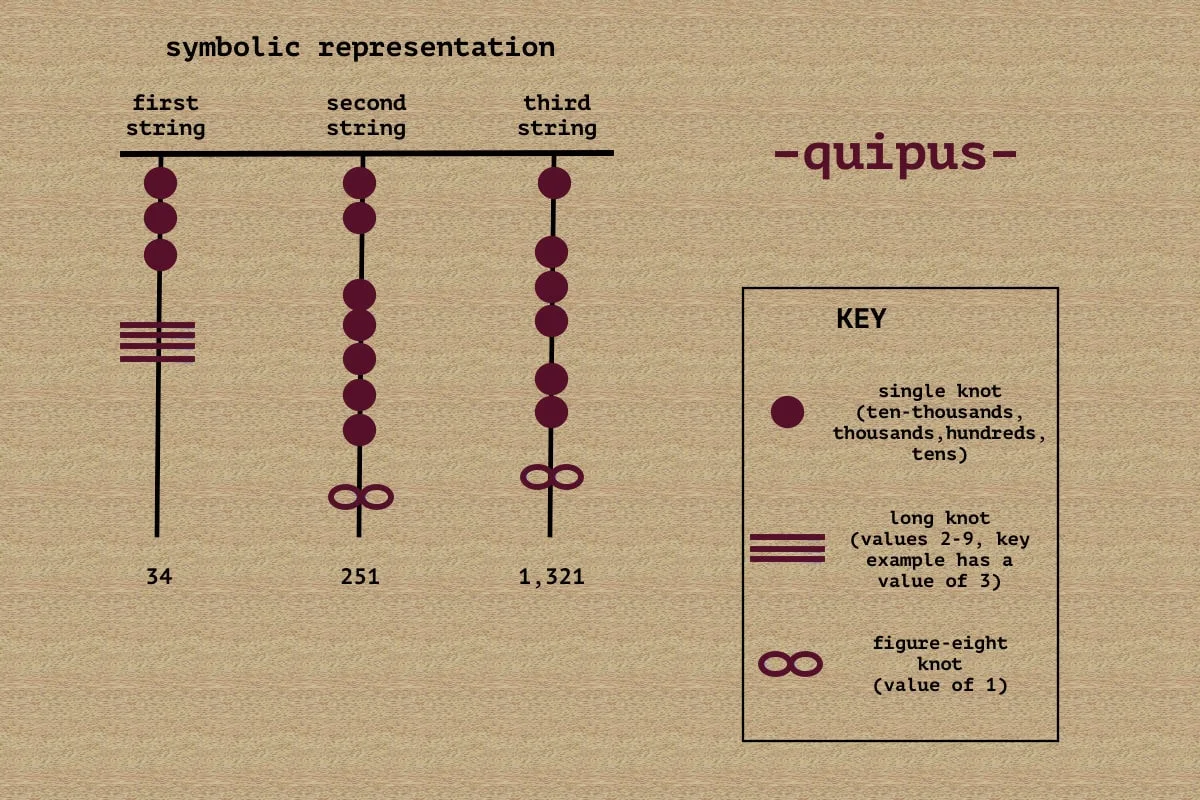
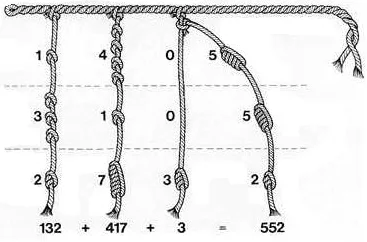
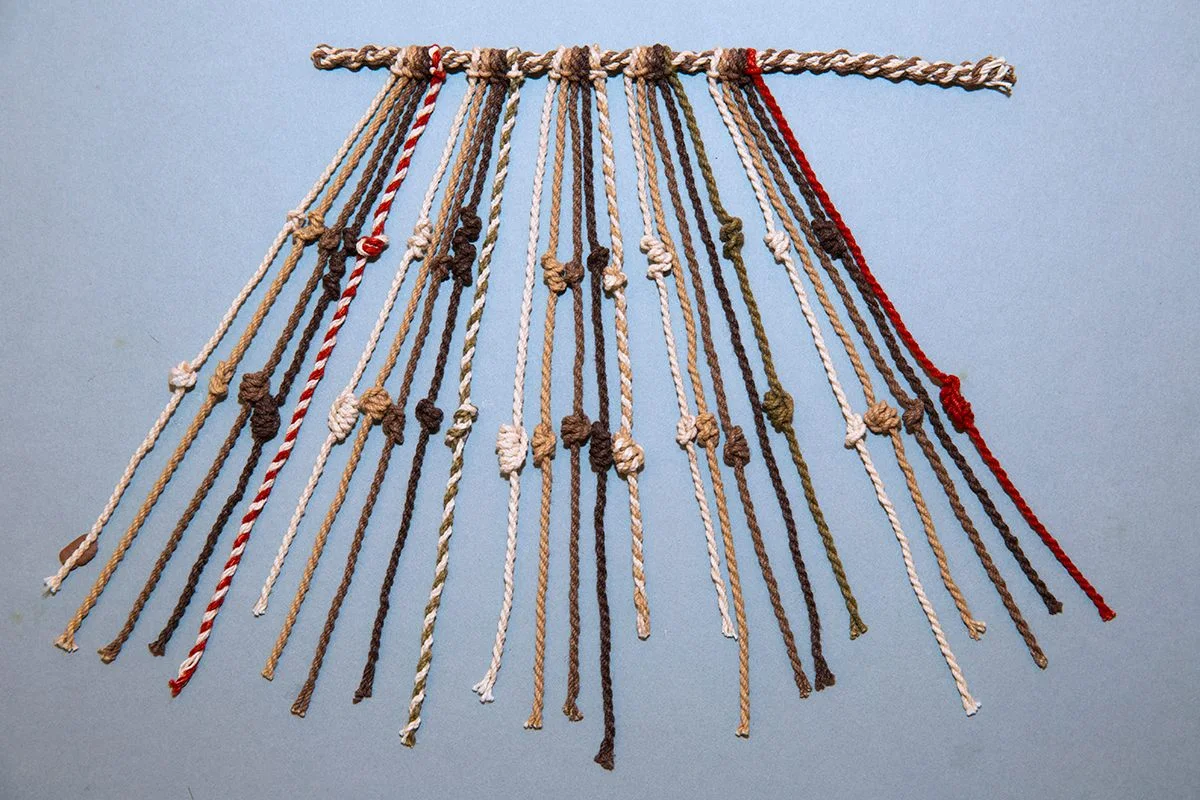
inka khipu
Kim MacQuarrie
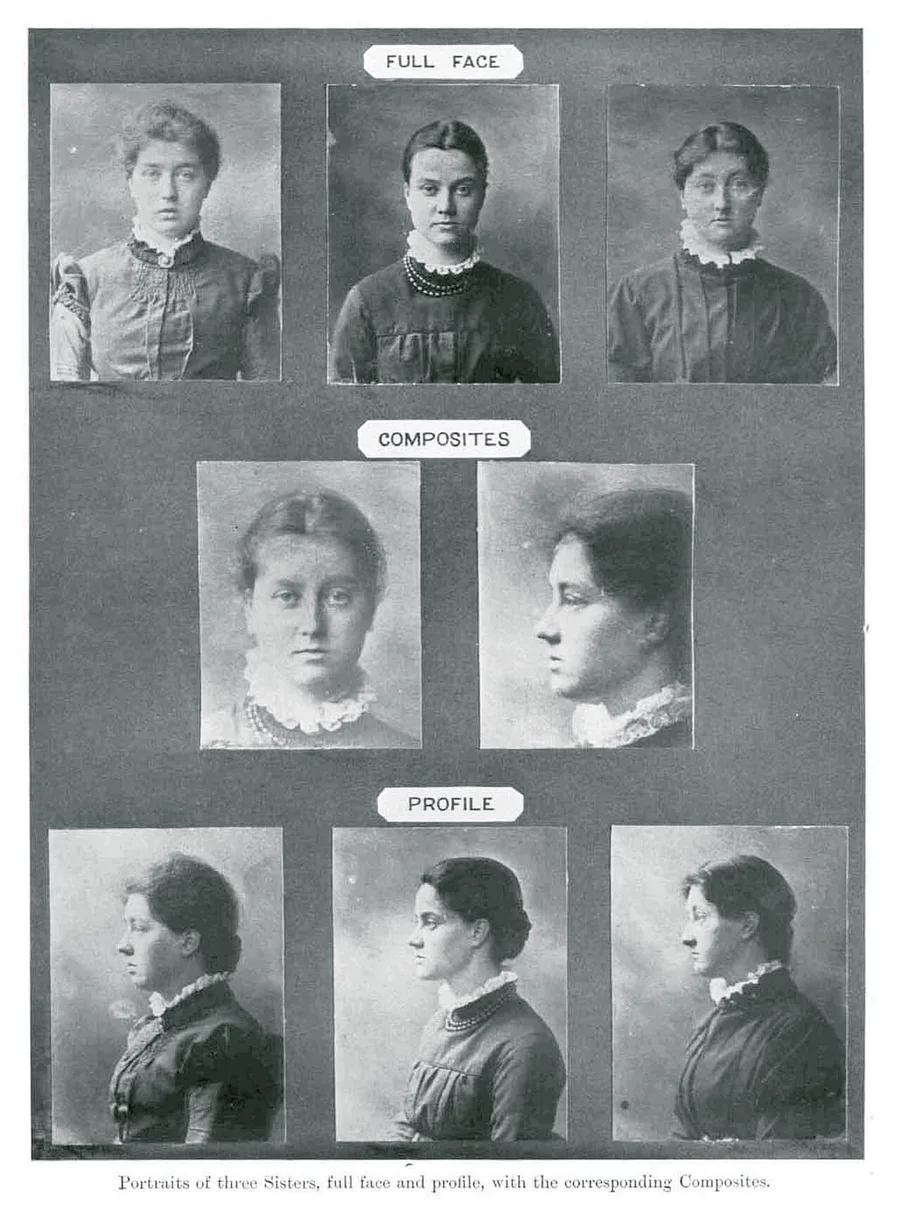
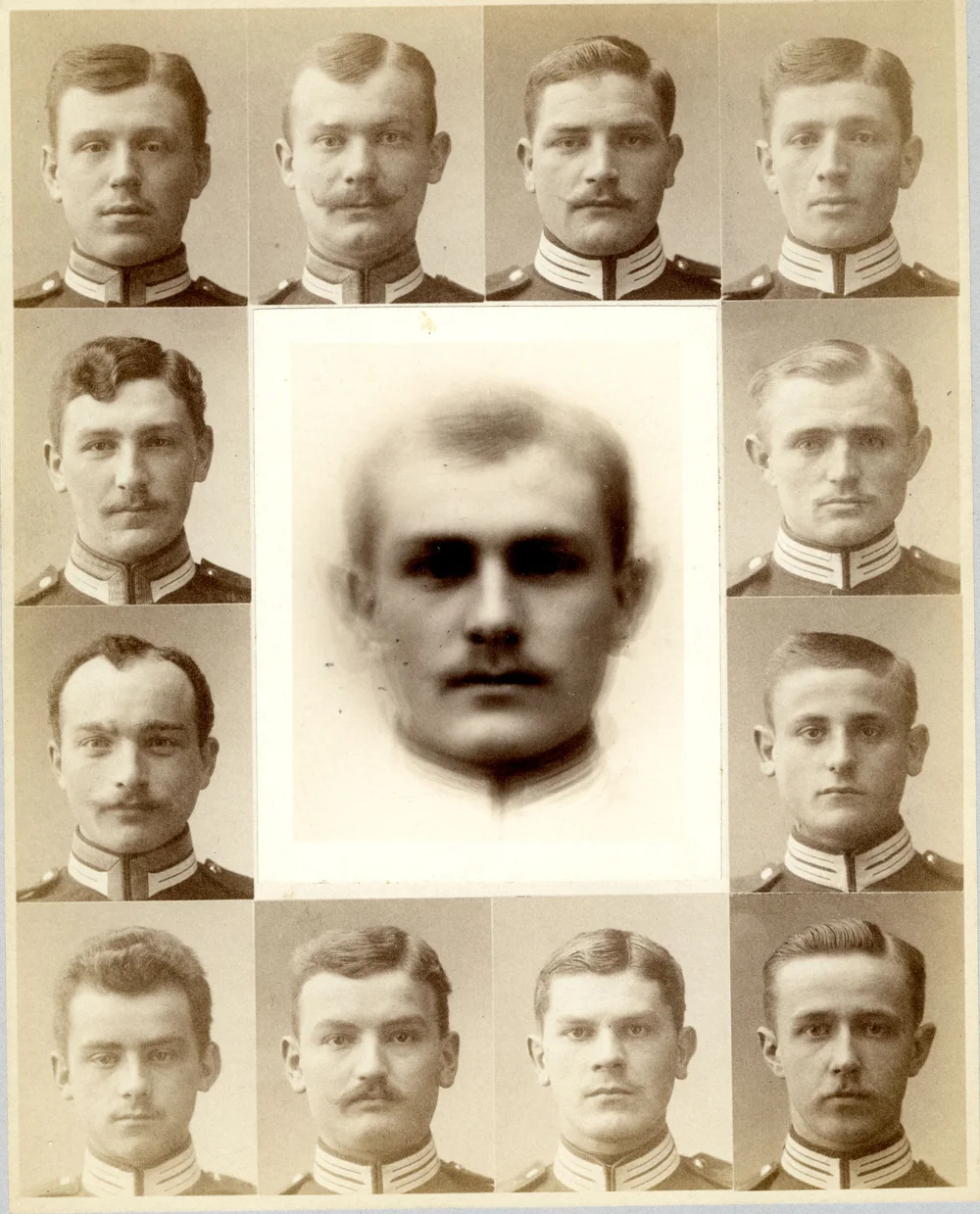
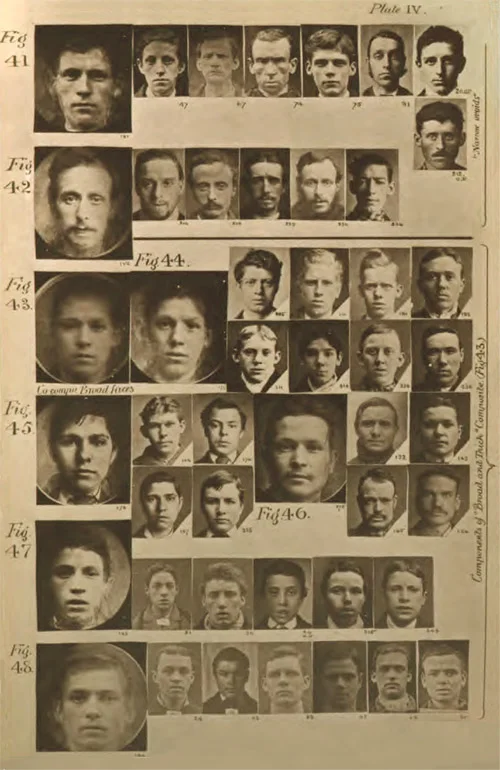
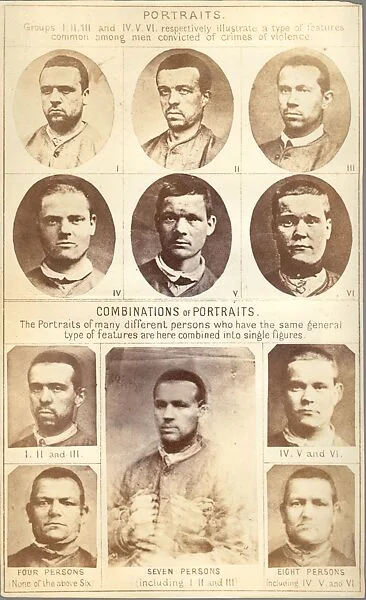
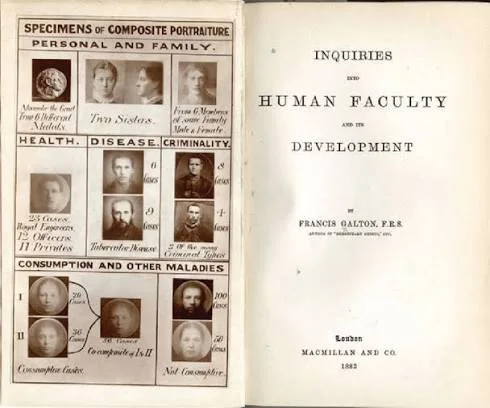
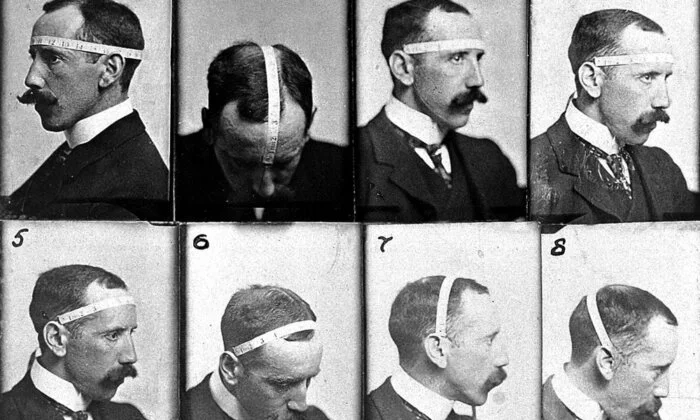
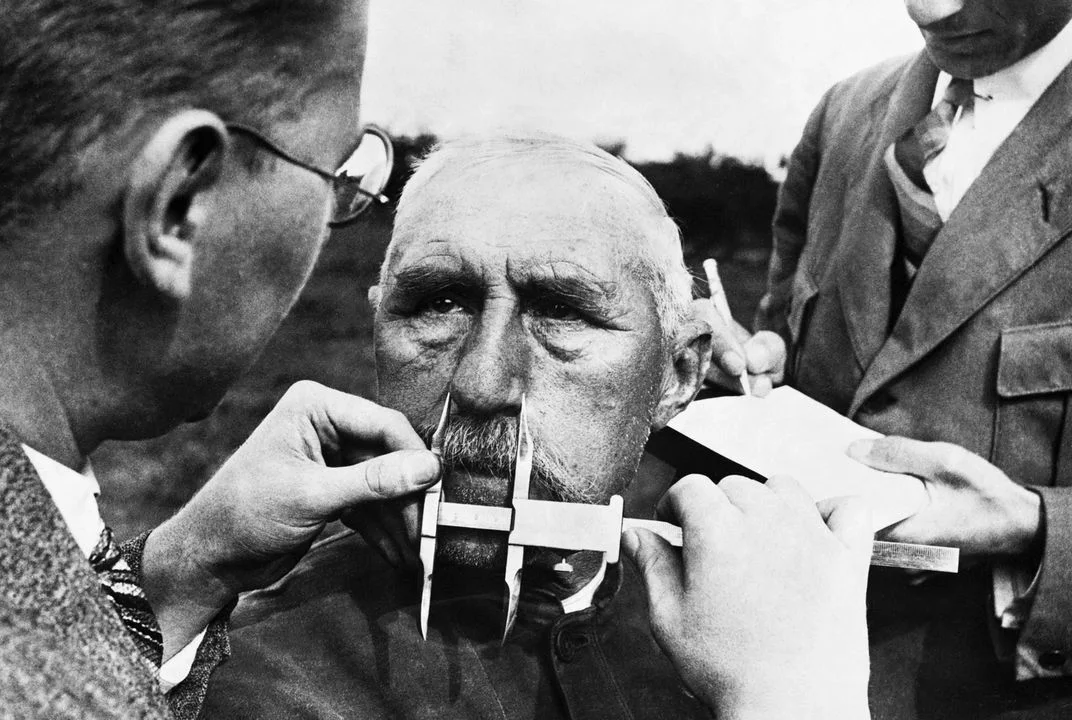
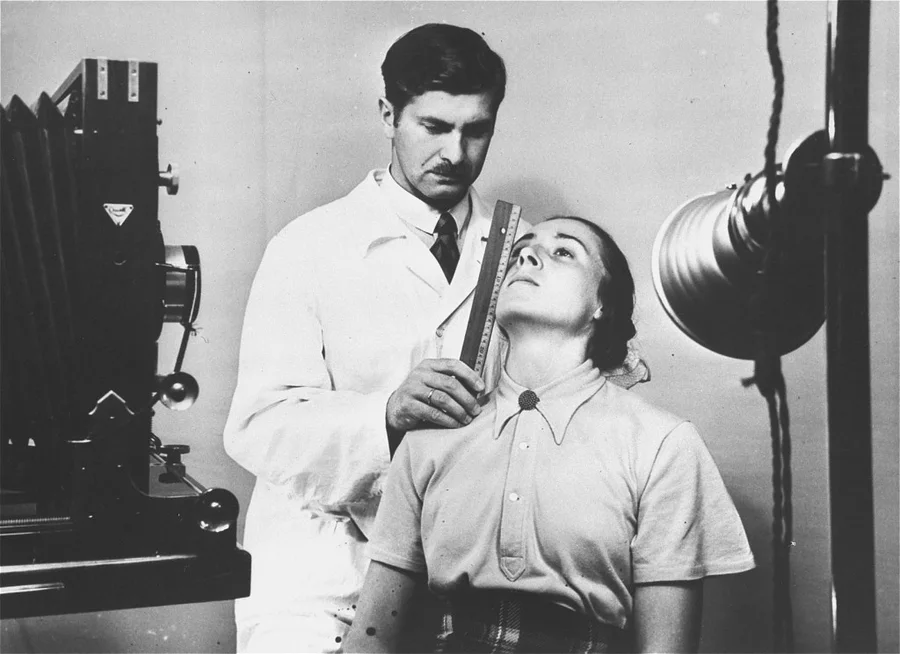
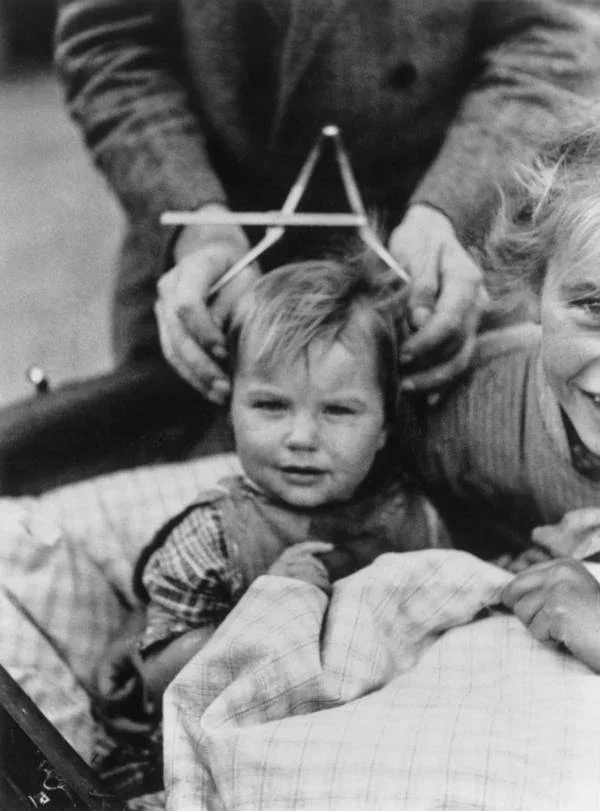
galton's composite portraits
collage
An artistic form of expression that allows the artist to combine different materials to create a new whole
Collage prompt
Share and combine
Table collage
Gallery walk
Reflect
Choices
collage prompt
Select an image or group of images that represents what you think school should look and feel like.
On an index card, write one sentence about what your image or group of images says school should be, then flip it face down.
share and combine
Share your image or group of images and its meaning with a partner.
Combine your images so that they fit together.
Share your newly combined images with another pair.
table collage
Combine all images to create one large collage on the table.
Agree on one title or caption, 5 words or less, for your group's vision of school.
gallery walk
Rotate to the other table collages and leave notes:
What do they value about school?
Self-reflect: How are the images at the other tables different from those at your table?
No talking to the creators… yet.
reflect
Turn over the index card you wrote at the start.
As a group, consider: do the post-it notes and your group collage accurately reflect the vision of school you wrote on your card?
choices
What do you notice about the sourcing of these images?
What types of images were you able to choose?
consider
What connections are you making?
What are you thinking about?
transfer
Based on everything you've done so far, what is something you can transfer to these topics?
qualitative analysis
What it looks like, why we should do it, and how to turn it into action.
ai use & ethics
Using AI to make sense of qualitative information, and the concerns that come with it.
design & rollout
Building real opportunities with your school or organization, for young people and adults.
break
qualitative reasoning
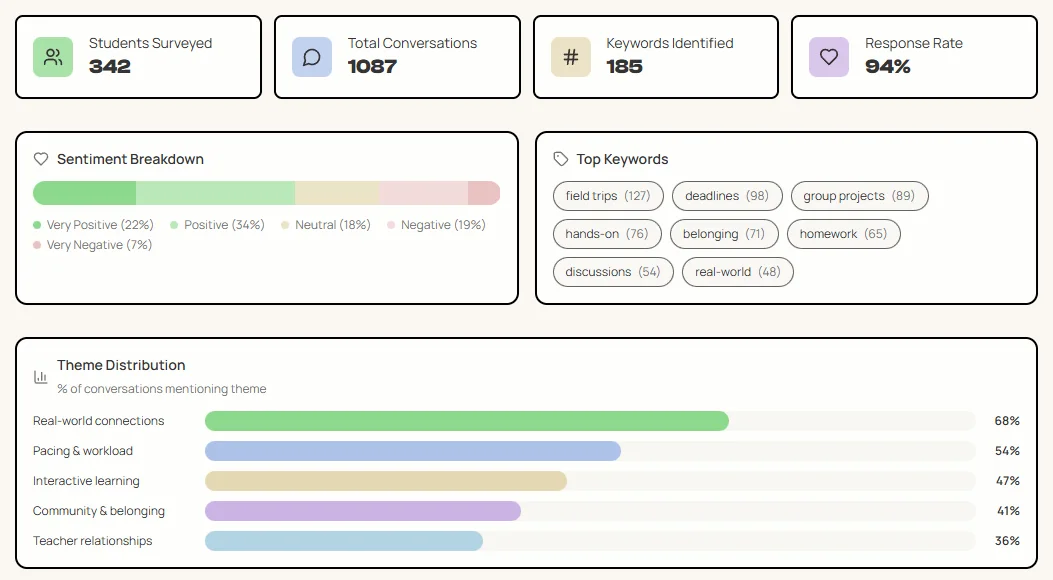
big data
Engagement3.45/5(from 3.45)
thick data
A key teacher retiring. A new math curriculum. Not enough outdoor time.
Without rich qualitative data, we have…
Assumptions
Biases
Lack of action steps
strategies for gathering “thick data”
ethnographies
Long-term qualitative record of students and their experiences.
photo & video
Multimedia documentation of things happening in/out of school.
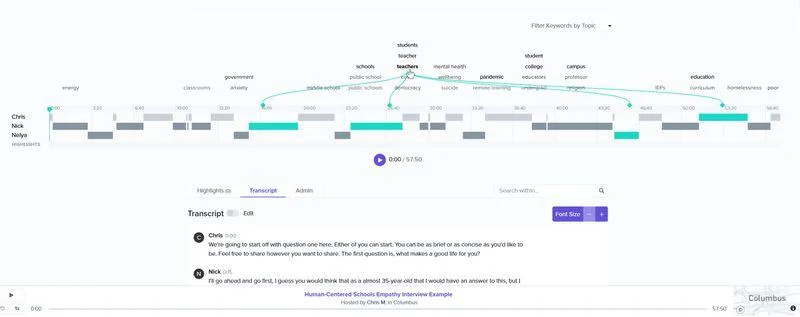
empathy interviews
Conversations between students (and/or adults) to learn about their experience.
ai use & ethics
AI tools don’t “think.” It’s a machine.
we tend to anthropomorphize our tools
Like naming our car “Marissa.”
our car isn’t sentient. neither is ai.*
Trained on massive amounts of language, AI is much easier to anthropomorphize.
*There are philosophical debates about what it means to “think” as AI becomes more advanced.
ai companies encourage us to…
1Give it a name, voice, or personality
2Describe it as “thinking”
3Believe it’s sentient, or nearly (AGI)
4Believe it will take over the world
hellomy name is
Thinking…Pondering…Wondering…
AGI
Our recommendation: Catch yourself using this language, and gently call it out.
a randomized controlled trial
4weeks
nearly1,000participants
2025MIT Media Lab and OpenAI
More daily use
correlated with
↑loneliness
↑dependence
↑problematic use
↓socialization
More attachment and trust in the chatbot
correlated with
↑loneliness
↑emotional dependence
Fang et al. (2025), MIT Media Lab and OpenAI
when we think ai “thinks,” we…
1
outsource our thinking
2
offload critical analysis
3
blame the tool for our mistakes
where ai fits, and where it doesn’t
language models predict text from patterns.
That makes them useful for sorting large amounts of qualitative information.
But they shouldn’t make our decisions for us.
““““““
Summarize these six statements.
“Students value collaboration, meaningful projects, autonomy, and supportive learning environments.”
It may leave out outliers.
Or be too complicated to make sense of.
interpretcompressassumeframe
interpret
compress
assume
frame
When people do it
We see it through our own experience.
We distill patterns into easy chunks.
Our biases fill in the gaps.
We frame data kindly or critically, depending on whether we agree.
When AI does it
It sees it through its training data.
It can overcomplicate the findings.
Its training data fills in the gaps, sometimes without telling you.
It’s often overly positive or negative.
What to check
What are people actually saying?
Are we missing information?
Who else should help make sense of this, including participants?
What really happened?
the MIRACLE framework
Mmeaningful
Iinterpretative
Rrelational
Aauthentic
Ccontextualized
Llinked
Eemic
For each quality: the algorithmic bias to watch for, and what you can do.
Younas, A., Fàbregues, S., Durante, A., Escalante, E. L., Inayat, S., & Ali, P. (2023). Proposing the “MIRACLE” narrative framework for providing thick description in qualitative research. International Journal of Qualitative Methods, 22. https://doi.org/10.1177/16094069221147162 Addressing Algorithmic Bias (Holmes & Porayska-Pomsta, 2022)
the MIRACLE framework
M
I
R
A
C
L
E
meaningful
Captures feelings accurately.
quotes and storytelling
interpretative
Captures underlying meanings and motives.
research and historical context
relational
Shows how participants express themselves.
tagging how different groups participate
authentic
Uses participants’ own words.
native languages and slang
contextualized
Gives enough detail about community, culture, and time.
linked
Ties to a research question, with quotes grouped by theme.
emic
Shares “just enough” without labeling or stereotyping.
Algorithmic bias
deployment
A tool used for something it wasn’t designed for.
historic
Moral, legal, and cultural biases built into AI.
Unverified assumptions in the model.
aggregation
Data beyond what the model was trained on.
representation
Some groups over- or under-represented.
measurement
Inconsistent or inaccurate labels.
evaluation
Population data needs a high-quality model.
What you can do
Back every claim with quotes and data.
Explain why and how the interviews happened.
Optionally collect demographics, and question presumed ideas.
Keep quotes in context, define slang, translate well.
Include as many community members as possible.
Have several people review themes, with a human in the loop.
Remove personal information, and keep what makes it unique.
MIRACLE framework: Younas et al. (2023), International Journal of Qualitative Methods · Addressing Algorithmic Bias (Holmes & Porayska-Pomsta, 2022)
building an empathy interview system
design challenge
you will create…
Empathy interview plan
Question set
Facilitator guide
Analysis protocol
Feedback loop
focus
What do we want to understand? Who should we listen to? What assumptions might we have?
Do students feel like they belong during their first year of high school?
questions
What do we need to ask in order to figure out what we're looking for? Who writes these questions?
process
Who participates and leads? Where? How long? What consent and privacy safeguards are needed?
analysis
How will we preserve stories and identify patterns? Will we use tech tools (e.g. AI)?
response
Who reviews findings? How will we act on and communicate changes?
overview of your toolkit
In your toolkit…
Empathy interview overview
Brainstorming activity
Developing strong questions
Facilitation guide
Qualitative analysis overview
Visualizing & sharing stories
What's interesting here?
What does this make you think about?
Why do you think we're talking about this?
focusquestionsprocessanalysisresponse
If we know that collecting, combining, and interpreting people's stories inevitably changes their meaning, how do we design a system that does this responsibly?
focusquestionsprocessanalysisresponse
When we ask, listen, and learn, we also shape the story.


 human restoration project




 shannon's





 322
 43642
 433