

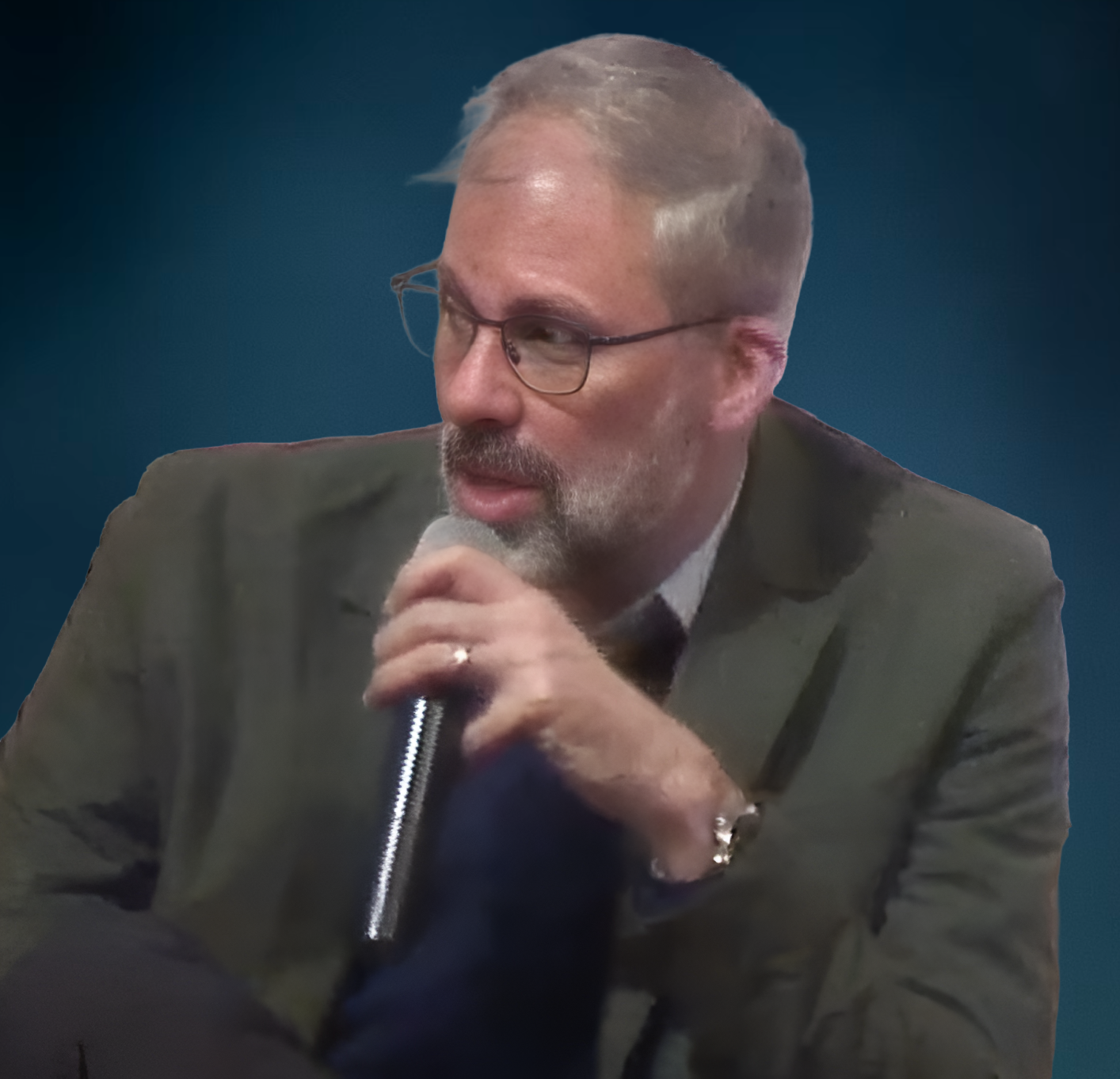
Raoul Meyer, high school history teacher and writer of Crash Course History, joins the podcast to discuss the state of social studies education. He also shares details about an upcoming 2026 documentary film, THE TEACHERS PROJECT, which examines how culture-war conflicts are affecting teachers, students, and communities.
transcript
Speaker 1 Teaching history, you're gonna say some things that some people aren't gonna like. It's, like, definitional. And in fact, when I was like, when I started teaching, this is the the biggest change. I was like, if I'm not making you upset, I'm not doing this right. Right? History should make you angry or it should make you cry. It to get you to go change it, to recognize the injustice in the world and to go out and figure out something you can do. And then it should give you the tools, like the models of people who've done it and the understanding of the procedures that need to be changed. That's what social studies teaching was to me. And now it's like when states like Texas are saying, you cannot teach active civics. You can't have a class where you write your local representative.
Speaker 2 Hello, and welcome to Human Restoration Project Podcast. My name is Nick Covington. Before we get started, I wanted to let you know that this episode is brought to you by our supporters, three of whom are John O'Brien, Jennifer Mann, and Janet Clark. Thank you so much for your support. We're proud to have hosted hundreds of hours of incredible ad free conversations over the years. So if you haven't yet, consider liking and leaving a review in your podcast app to help us reach more listeners. And, of course, you can learn more about Human Restoration Project on our website, humanrestorationproject.org, and connect with us everywhere on social media. If you've taught or attended a high school history course in the last decade, you've probably watched a crash course video. Their dozens of playlists on topics from biology and environmental science to economics and world history hold hundreds of videos and have collected over 2,000,000,000 views. Maybe even just hearing the title conjures John Green's urgent cadence and the characteristic cartoon aesthetic in your mind. Or the show's outro if you couldn't hit the pause button quite fast enough, where John thanks the producer, the graphics team, and mentions The show is written by my high school history teacher, Raul Meyer and me. Today, mister Meyer not only continues to teach, but earlier this year reached out to me about a new film project he's working on with his brother Luke scheduled for 2026 release, tentatively titled The Teacher's Project. It's described as a compelling, character driven journey into the lives of American educators as they navigate the intensifying culture war that has enveloped the nation's schools since 2020. As political battles over sanctioned ideas, books, and lesson plans range from national headlines to local school boards, the film reveals the devastating consequences of this chaos and conflict for teachers, students, communities, and the future of American education. And Raul joins me to talk about Crash Course, the state of history teaching today, and the often untold stories of teachers wrestling with all of this. Thank you so much for joining me today, Raul. Lovely to be here, Nick. It's lovely to be here. Nice to see you. I'm always curious just about how teachers got to be teachers. And, of course, I was just looking through the Indian Springs school page in Alabama there, which boasts about having John as its most famous alum, but also specifically mentions that it was, quote, founded with roots in the progressive educational philosophies of John Dewey, who inspired our motto of learning through living. And I was really curious if that described you as a young teacher when you were there in the early nineties. Did you join because of that mission or is that something maybe you picked up a little bit later? That's a great question. Did I join because of the mission?
Speaker 1 Honestly, it was 1993. I joined because they hired me. And Yep. Like, I don't know. Most people probably don't remember how grim the job market was when I graduated from college in 1992, 1993. I mean, there are echoes of it today, so maybe they will they will have a have a sense. But, yeah, I sent out something like a 100 resumes, and this is when you back when you had to do it by mail. And I got three and one job. And that was the job that I took. And it was at Indian Springs, a little school down in Alabama. For the life of me, I would have never thought I would have been in Alabama. But as for why why teaching, I think it was because I kept just kept getting drawn back to education in general. When I was in college, I took pretty much the best class I ever took in college. Like, formative class was Ted Sizer's going to high school in America, which was, I mean, formative in so so many ways, but primarily in how it was taught and what we had to do. It's completely group project led class. Kids were kids. Sure. We were kids. Students were split up into groups of five or so, and our goal semester was to design a new high school, Suit to Nuts. And this is the kind of class that for a lot of students was so all encompassing that, like, they would drop other classes or or change their grading structure for other classes so they could spend more time on it. For us, it was a little easier because I took the class with two of my housemates so we could talk about things, like, over breakfast and over dinner. And it was great. Interestingly enough, this is like a weird little aside, but in my sort of cohort of friends at college, two people became the leaders of teachers' unions in two of the two of America's largest cities. And I think at least one of them, probably both of them, took Ted Seiser's class. So and I also then my last class that I ever took in college was educational philosophy, and that's where I was introduced to John Dewey. So I read experience in education. I read I mean, I read and wrote a paper, probably terrible paper about Rousseau and Emile, and I read which, like, Emile papers, probably I would like to revisit it because I think there's, like, a weird parallel between his version of the one to one tutor living in the wilderness and not having any social interaction and what we see with students today, either online and especially now with this new these new plans to replace teachers with chatbots for individualized instruction. Yeah. And so I was always really interested in education, but because I majored in something really, really imp the the paths towards, like, public school teacher certification were sort of closed for me. Because of where I went to college, not only did I major in something impractical, because there were no distribution requirements or any other requirements, I didn't have much of the you would need to become a state certified in in almost any state, which is pretty frustrating to to me. You know? If I'd majored in history or English, I would have been okay. But I majored in classics because I liked history, English, and language. And like, unless I wanted to be a Latin teacher, and even then, like, it's not a huge market for Latin teachers and
Speaker 2 not a lot of places where you can be certified as a Latin teacher, not a lot of states. That's interesting that it pigeonholed you just toward the language and not necessarily towards the history and humanities aspect of it. Do you would would that pathway be open to you, do you think, today for to you as like a classics public school teacher or for people doing that today? I think in New York, there is a Latin certification. Okay.
Speaker 1 Which would kinda be fun if I were to wanna go back to the classroom right now. Just because I I did teach Latin And, like, my wife was a Latin teacher, and so, like, there we used to have these huge arguments in my house about, like, the utility of teaching Latin. And I was always on the anti side, like, why do that? There's so much but now I'm, you know, I'm old and it's not that I'm stodgy or anything, but I can actually see the value of the process that goes into learning Latin because it's really stripped down, almost mechanical process of categorizing and memorizing very easily memorizable chunks and rules. There's a Latin has a lot in common with math and actually a lot in common with the really rudiments of computer programming. And so, like and we'll get to this later about, like, the perils of teaching now. Most most parents
Speaker 2 and administrators don't really care about Latin, so that's kinda nice. Was gonna say that that would be a tough sell, I think. Right? Oh, let's make room in the schedule. Let's dedicate staff, class time, curriculum money to Latin as opposed to say a a programming language or a stem course or something today. Yeah. I mean, I I think it's that's sort of shortsighted because
Speaker 1 for a number of reasons. Like, Latin is a really good foundational thing to learn. I taught it in seventh and eighth grade, which I think is actually perfect place to teach it, to teach introductory Latin. I wouldn't be soup so interested in teaching the higher level stuff because, like, there's only a few things in Latin that I that were originally written in Latin that I would, like, actively wanna go back and read these days.
Speaker 2 I'm so curious. Not to derail the utility of Latin, Raul, but I've gotta know because you mentioned Ted Sizer's the the course and the challenge to, you know, soup to nuts, reimagine what school looks like. What what did you come up with? What did your housemates come up with? What was your vision for a reimagined education? You know? It's hard to remember everything.
Speaker 1 I think it was very modular, right, in terms of the the schedule. I think it there was a degree of, like, you know, Ted Sizer stole Mies van der Rohe's motto, which Mies probably stole from someone else if less is more. And so we had, like, fewer classes per day, maybe, like, three. It might have been more like a cholera college sort of model where you would do a few things for a short period of time, then you move on, do another few things, except for language classes. We did include language classes and had them go all the way through, like, because of the daily practice aspect of it. We wanted it to be fun, right, and somewhat student driven. I mean, it's it's interesting. The last school that I worked at was somewhat similar to this school in that structure, except that was isn't a physical school. It was very it was values driven, which I really appreciated because I had gone to Quaker school. Yeah. I love Quaker school. At the high school that I went to, I taught there for nine years. So I really appreciate so much about what what Quaker schools can do, and they don't have to be religiously like, the the the settling down and the forcing is the wrong word, allowing people to sit with their thoughts for twenty to twenty five minutes, twice a week, or if you're in middle school for, like, ten minutes a day, eight to ten minutes a day was really calming. And, you know, my school that school has turned out a lot of really interesting people over the years who, if you were to ask them, I would say, probably would attribute some of their their success and their worldview to that school. Also, it being at the time, certainly when I went there and even although to a lesser extent, when I taught there, it was very much a, like, social justice focused school. Given that given, like, it was, you know, it was anti racist before that was a word. It was obviously pacifist, like, anti war all, like and what was drilled into us is, like, sort of a radical equality. Like and we used to joke that the the on our sports teams, the most Quaker thing to do would be to tie.
Speaker 2 That'd be great. And not have a shootout, not have any overtime, just, hey, shake hands. Good game. Nice game. Did well. So, I mean, what I'm hearing you say is that today, the Quakers would be called woke if they Oh, hell yeah. I mean, they are. Right?
Speaker 1 They're what was I I was just reading that they're bringing they're among the religion religious groups bringing lawsuits against various aspects of the Trump administration. So yeah. And they were great. I mean I mean, I don't I can go in very many directions. This is probably why either people loved or hated my classes.
Speaker 2 This all sort of leads up, I guess, there's there's like a fork in the road in your professional life that I'm assuming like starts with Crash Course, this collaboration with John Green, a former student of yours. How did that even begin? And I guess when y'all started that, did you have any idea that it would become like a household name? It's essentially like a de facto national curriculum, you know? Did you have any sense of that at the time? No.
Speaker 1 No. We I mean, it's it's hard to it's a little hard to think back. Right? It's almost it's it's gonna be fifteen years ago that we started next year with a phone call or maybe it was an email, probably a phone call John made to me. I was I had I was back in the classroom. I had taught at my I taught at Indian Springs for two years. I taught at my high school for nine years. Left I left my school, went to law school, thinking I would do educational policy, realized I missed the classroom too too much. And so I was teaching at another school. And John called me up, and he's like, hey. I've got this idea for doing, like, you know, a video cast series about history. My brother, Hank, was doing biology because Hank was a environmental science person. Would you, like, would you help me out with it? Like, maybe give me some talking points. And I'm like, sure. What do you, you know, what do you want? And he's like, well, I think we're gonna start with world history. We want it to be kinda keyed to the AP, and this was the old AP, which is why if you watch the first series, it does go from agricultural revolution to post industrial revolution, which was great from my perspective. And actually, like, I missed that old AP class, which I was teaching at the time. You know, it it gave me a reason to read a lot of history and a lot of prehistory and and anthropology that I wouldn't normally read. So I was like, sure. Yeah. I can I can figure it out? I can design the you know, I can parcel out the lessons for you and give you some talking points. And after, like, the first set of talking points, he's like, you know what? Could you just, like, write scripts for me? And I'm like, okay. Like, how long? He's like, oh, it should only be about like, no one's gonna watch a long video on YouTube. So, like, you gotta gotta keep it under ten minutes. Like, alright. So what's that? 1,500 words or something? It's like, more or less. And so I started writing them. And, you know, the first year, it was really it was totally DIY, and I miss that aesthetic so much.
Speaker 2 Right? I miss Danica's chalk drawings and It really has like a public service television, you know, kind of thing. It just it'd be public access rather, television. Like it'd be on at 08:00 in the morning or something on PBS. And it was great. Like, it was so much fun. They were filming in like a warehouse with a all backdrop.
Speaker 1 I went to film with them one day. So like, there is an episode for the people who really are Crash Course heads. I'm in one of the episodes and reading the credits.
Speaker 2 And I can't remember which one, but it's season one. So so for people listening, they have to go back through and skim through every single episode just to contribute the watch time to the channel there. Think it's in the thirties
Speaker 1 maybe. So I don't wanna make you do all that. So yeah. And it was super fun and it was way more successful than we thought it would be. And so John's like, yeah. Can you do another one? Can you do US history? And I did US history next. And that's the one that has been the most most influential, the most important, and I still think it holds up really well. Like and it was you know, my idea in in creating that course was, like, I teach US history. I've taught I teach AP US history or I did. Like, let's make videos that we can you know, if you watch them and you pay attention to them, you don't actually have to read the textbook. That was my goal. Right? So that teachers could do other things with the class time or with their assigned readings. You know? And I think that's where the mystery document came in. Right? And I was like, let's do let's do something like that. And then I did the they asked me to do the government one, didn't narrate. And then I did another series of world history, world history two, which is kinda like that one is like, what's Raul interested in? Like, what books are he what books is he reading right now? And so it's largely, like, your sort of ideas of books. Like, there's a one of my favorite ones, I think, is very heavily based on Mike Davis's late Victorian holocausts, which is about famines and droughts. And that one, I love that one. That was the only season where they made me rewrite one.
Speaker 2 What was what was the catch there?
Speaker 1 It was an episode around the the book, which last year or the year before, won the Nobel Prize in Economics, the Why Nations Fail book. And I hate that book because it's bad history. It's bad world history, and it it it it sort of, like, purports to be encompassing world history, and it's not. Like, it doesn't it doesn't give China or India their due at all.
Speaker 2 Your script was taking it to task? Yes. My script was like Overly critical? Yeah. Basically, it was like, this book is garbage
Speaker 1 at history. And they're like, no one's gonna watch this. You can't write an editorial about why this book sucks as a crash course. Yes. I can't do that. They wouldn't let me do that. And so Dang it. It's it I mean, I think it still offers a critique of that book, but it's much more measured than than my original script.
Speaker 2 I don't know if that was a big transition point for you. I don't know if you had been like a script writer in your life before then and just kinda dove into this. But now, I mean, you've kind of straddled that line parallel as a classroom teacher and sort of engaging in this public history project together. What do you think has been, I don't know, the biggest change in how you've seen that work over the course of your career?
Speaker 1 You know, I did it for about six years, and there was one year one year where I did it full time. But I was also in graduate school again. I've been in graduate school far too many times. And I was working on a curriculum piece to it, but Crash Course had shifted a little bit. It had become a lot bigger than that original DIY, and there's a lot more editorial content. And one of the things about it is as successful as it's been, other than the ad revenue, it really hasn't monetized. Right? And that was from the from the get go. John and Hank were like, we're not charging for this. We're not gonna make money off this, which is great. Right? It was free. It's been free forever, but it also ended up sort of limiting what we could do as ancillary materials. And there were, like, licensing issues and partnerships. And I I still like that DIY thing. Like, as a teacher, I was constantly making my own materials for students and for myself. And so and, like, I mean, I think there's a enormous degree of hubris involved in that. But, like, I think I make good good educational products for my for my students. I know I know I know they work for my students, but I don't know how widespread they would be. But in terms of the, like, far reaching aspect of it, I'm really glad one of, if not the most commonly used classroom materials for teaching US history. The did that study two years ago now, and, like, it was gratifying. It was humbling to see that we're right up there. And that was, you know, the goal, right, more than the textbook. That was the that was the plan. Like all history education, like I said, it's 15 years old. It really is updating. I think that'd be a lot harder now. The economic pressures, the pressures of censorship would really against the needed updates in terms of just how much history has changed and how much we talk about history has changed. You know, there should be, like, a miniseries talking about why the 1776 project is problematic. Right? And talking about some you know, there are concerns about the 1619 project, but, like, putting it in its context to refocus or to generate conversation about what US history has been, especially for students, was is necessary. And I think it will be really hard. I mean, I know it would be really hard. Right? There are states that deliberately outlaw any discussion of the 1619 project. But, like, what are you gonna do? How like, even if you put it in a series of videos, if you ask the students to show to watch it first of they're gonna be watching me at home, then their parents are gonna be like, what is this trash that you're what is this indoctrination that your your teacher is assigning for you to do for homework? So, like, I think it would be really hard to to do it now. I mean, I'm glad that they got Clint Smith to do the African American history one. I'm glad they got the Native American history one. And I'm super glad that they have reached out to, like, not having a white guy, even if that white guy is John Green, talking about, like, doing the history, you know, things. The thing that I'm, like I don't know whether I'm, like, horrified or gratified by is I think that with Crash Course, we created a language for teaching history online. Like, when I watch other videos, I hear myself. I hear my writing. I hear John. And I think it's the mode I would call it because I just read willing warriors, some new new book about the culture wars in education. It's okay. But what it talks about is a mode of argument called that they call expose, and I think we were sort of expose light when I was writing. And I'm like, I assume you know some of this. Right? You probably have a master narrative of American history because if you're taking AP history, you will have taken, in New York, US history, seventh grade, eighth grade, and, like, state history, fourth grade. So you will have had a lot of this stuff already, but maybe you didn't like, you've heard a, but what about a prime and a double prime? I'm not even going like, what about b and n? Right? And I think that's I can think that's good. Right? That was the plan, or at least that's how I planned it. But it's become a sort of trope. Like, but did you know this, that, and the other thing? And some of that is necessary. Some of that is really important. But anytime something becomes a trope like that, you need more variety. Right? Like you need to be able to engage people differently.
Speaker 2 Yeah. Maybe that's an artifact of you guys started making Crash Course in sort of a at the start of the golden age of social media, the peak starting in like 2012 through 2015 and all of that. And I think now attention economy, trends, that ecosystem has really dominated so much that it's had a huge impact on the forms and the types of content that are there. So, yeah, if if you try to do it today, it might look a little bit different as a result and maybe not be, frankly, as good or relevant or or timeless, I suppose. Right? What content on TikTok or Instagram is gonna be around ten years from now that will sort of have the lasting impact that Crash Course has had. I think I think that form and the platform really matters a lot.
Speaker 1 Yeah. And I think that the widespread availability in free, like, you're have to not having to pay for it. Like, when in the first few years, I would read the comments, I would I would engage with people about the comments, I would take the criticism like, yeah, you know, this maybe I could've been clearer about that. A lot of the criticism is sort of like typical web criticism. Yes, but you didn't talk about this. Correct. I didn't talk about that. Yep. There's another video about that, actually. It
Speaker 2 is so interesting to think about the scope of kind of the conversation so far beginning in the nineteen nineties and then the environment of that decade up into the twenty tens and now thinking today, you just returned from the National Council for the Teaching of Social Studies conference in DC. And their theme was because democracy depends on it, their number one featured speaker is, like, no less than supreme court justice Gatanji Brown Jackson, which I thought absolute wild get for this conference. Right? But really putting the urgency and the seriousness at the forefront. So we were messaging around a little bit trying to schedule this and just gauging the vibes of things too. And I'm wondering, you know, where were you at as you headed to DC for that conference? What did you find when you got there?
Speaker 1 Well, I mean, I went I went last year and I went this year. And, you know, last year it was right after Trump's reelection. And everyone was like, oh, what's this gonna look like? How are we gonna do this? And now we've been you know, associate teachers have been added a year, seen, like actually, it's not that the gag orders have come in since Trump. Right? Because they've they were already there. They were sort of foundational for the second second administration to come in. But the chilling effect that is a big feature of our film, it's really pervasive. And I one of the sessions I went to was cohosted by the NCS the head of the NCSS and head of the And it's like, how are we teaching in these perilous times? And the I mean, of the people who spoke, the universal understanding of these times is that teachers are really scared, social studies teachers. They're really scared, and they don't know what to teach. They're they try to stick to the standards and hope that the standards will insulate them from criticism, But there's so many extra pressures on them that just, like, it just didn't exist.
Speaker 2 How have you either heard from people or seen or experienced yourself like those pressures, what are teachers doing in response to that chilling effect or self censorship, or how do you see that manifesting?
Speaker 1 It sort of depends on where you you're staging your career and where you were teaching. But, you know, even you know, you'd think if you were in the bluest of blue states, it would you would feel a little bit more secure. But because of social media, because of very because of the efforts of I don't even I can't say whom even if I knew because it's sort of this amorphous semi organized online universe that, you know, will will pick up a any story that seems to fit their narrative of these woke teachers are destroying America and, like, turning our kids trans and making them hate The United States, it will get picked up. Right? It's like the New York postification. I'm in New York, and, like, anytime a teacher does anything that smacks of, you know, classical liberalism, it's like, can you believe this teacher did this, that, the other thing? Blah blah blah blah. And, like, some people make careers out of it. Like, they're, you know, they go from they go from complaining about such and such a school, especially in New York, it's private schools because the post just loves to tear down really super rich liberals. So teaching history, you're gonna say some things that some people aren't gonna like. It's, like, definitional. And in fact, when I was like, when I started teaching, this is the the biggest change. I was like, if I'm not making you upset, I'm not doing this right. Right? History should make you angry or it should make you cry and to get you to go change it, to recognize the injustice in the world and to go out and figure out something you can do. And then it should give you the tools, like the models of people who've done it and the understanding of the procedures that need to be changed. That's what social studies teaching was to me. And now it's like when states like Texas are saying, you cannot teach active civics. You can't have a class where you write your local representative.
Speaker 2 That's like a staple government class activity. Right? I think, like, my colleague right across the wall, you know, when I was teaching, ran that every semester with his government class. Right? No issues. Democrats, Republicans, independents alike, just engage in action civics. Texas outlawed it. Made it illegal.
Speaker 1 Right. So if you're a teacher, right, you know, long career teachers, they, like, they figure out what works and they try to keep doing it, tweaking it a little. And if if totally given up on that, you know, trying to take away things like that, tell you what you can and can't teach, and or as many of these laws as the courts in many states have shown, like, laws are overbroad, and they're deliberately I mean, I wouldn't say they're deliberately overbroad. I think they're deliberately based on most of them are based on an executive order from 2020 that is a, you know, a political document. And it actually refers to government contracting, not to education. But, like, it's vague enough that you don't know what to do. You're like and especially the key part is the the you can't teach anything that I'm gonna paraphrase, but that makes people feel bad. And, like, people are gonna feel bad. People are gonna and people are gonna feel bad because of what you're teaching, because of their understanding or misunderstanding of what you're teaching. Right? Because of something a classmate said that they didn't like, and the teacher didn't respond in a way that they feel that they feel was, like, affirming to their belief system. And and that didn't used to be that did not used to be a concern, as much of a concern. At the NCSS conference, like, that was prevalent when you would talk to teachers, but not so much in, like no. I think everyone is, like, everywhere is just terrified of AI, and so there's a lot of discussion about, well, how are we gonna how are we gonna deal with this with AI? And my answer, because I'm old school like that, maybe this is me being classics teacher, is, hey, books are great. They're a technology that's lasted for a really long time. You know, you don't have to worry about your electricity or your Internet connection or cloud flare going down if you just crack open your book. And my kids go to public school and they, you know, even their English books, like, they still have, you know, library bound classroom copies of English books that they have to turn in when they finish them
Speaker 2 at the end of the year. With their names on the little roster at the front, you know. Exactly.
Speaker 1 I mean, they don't have to they don't have to cover them with with the grocery bag like I did, but Yeah. Which I was talking about this with someone. I actually missed that because it was a a visceral expression of shared resources and of continuity. Right? There was something about looking in the front of the book and seeing who had had it and if it was, like, your friend's older brother, like, four years ago. Now nowadays, you'd say, oh, it's not the most up to date information and, you know, it's terrible. And if you're still using textbooks from twenty five years ago, it is terrible. But if you're cycling them out every, you know, five years, at least in history, right, you're probably gonna you know, you'll get new scholarship, and you'll have this thing, this object that you can look at. And the teachers will be also a little more sympathetic about what they're what they're gonna assign. Because personal experience, teaching, social and I only taught social studies and this is, again, my Latin's so great. Latin doesn't expand. It just stays. There's new Latin textbooks, but it's There's there's a bonus for teaching a dead language, I suppose. Oh, yeah. It's great. No new words.
Speaker 2 So thinking about, like, those barriers that teachers have. In my experience talking with teachers, the self censorship is huge. They just say, well, I'm not gonna do this this year. Not because a directive or an order or the principal said that they couldn't, just they know that there's, an ambient, you know, level of fear. They don't wanna rock the boat. They don't wanna make waves or anything else, so I'm not gonna do x y or z. And I wonder, like, getting towards action or I guess towards something, what are teachers filling in the gap with? Understanding that the theme was because democracy depends on it and knowing the importance of this and trying to get there, what have teachers identified as, like, the gap between because democracy depends on it and also my employment might depend on me leaving this excerpt out and teaching a different thing instead?
Speaker 1 I mean, I think this particular school year, it's really hard. And like, NCSS was one of the conferences I've gone to. I'm probably gonna go to the Civics one in Philly in March as well. And I went to Civics Day or Constitution Day in DC in September, and there's institutional responses which are overall very cautious, and perhaps rightly so. Right? People don't actually know what the administration is going to do. And right now, they're not exactly sure how the changes to the Department of Education and the funding systems are gonna impact what they're doing in their class. And so they don't really wanna rock the boat in that, you know, no one wants to be the teacher who is blamed for not getting the grant even though the grants have dried up, right, as you will know.
Speaker 2 Or losing an established grant because of something controversial and, you know, someone, for lack of a better word, snitched to somebody at the DOE and they just flipped a switch, right? That's a I mean, DOE does have a snitch line, so they made it. Yeah, yeah. I don't know what else to call it. There's this vigilantism, you don't know who you're gonna get on the wrong side of that has access to somebody in power who apparently has the power to do those things now. Whereas before, I feel like, you know, administrators or they were in the institutional response was to run interference for teachers. Right? And to say like, well, we support our teachers as long as they can say they're teaching curriculum materials, they're teaching standards, they're teaching this, they're not going completely off the rails. The institutional response was support and now I feel like it's risk aversion. Know, it's I'd rather cut ties with this long time teacher if it means not being
Speaker 1 called to task by the state or the federal government or online mobs, you know. I think that's exactly right. And and it's been trending that way for a while. You know, if I wanna get on my, like, Marxist soapbox, I would say that, you know Get on it. We made we made this devil's bargain where we decided to treat every decision like a consumer decision and where we would turn over a lot of power to corporations, like, even, like, the people who produce educational materials, the people who grade educational materials, you know, college board, etcetera. And, you know, it's largely corporations who are influencing the standards that are written and the books that people can read and what they what they can use. As The United States has decided that, like, we should the richest of the rich to make to have incredible decision making power over our lives and livelihoods, we're gonna be like, people in in, like, management positions are going to be increasingly feeling the pressure and their their goal will be, well, I just don't wanna piss off the wrong person. So like you said, they're not protecting teachers. It's all part and parcel. It's all connected to the, you know, well known concerted efforts to undermine unions. You know, that was an interesting piece in terms of because democracy depends on it. And when I would you know, I was very fortunate in my, oddly enough, my private school where I worked, we had a individual school based union, which had procedures that would protect you. Increasingly, the person that that you are likely to come into contact with who is in a union, right, unless it's, like, in a really negative outcome like the police when police unions are their own thing, but is a teacher. Right? And so, yeah, destroy the teacher's unions. It's like they're this is a a well documented plan. Right? And, like, my my thing because I'm a loudmouth. I raised my hand in in that session, and I'm like, hey, Here's what you can do to fix this. You can throw your muscle behind labor history and make sure it gets taught. And this was I saw you responded to my my Blue Sky comment about
Speaker 2 what's being taught in the AP because the AP is kind of the de facto US history curriculum for The United States. I'm just as curious about that answer as you are. For for context, Raul just asked on Blue Sky if anybody had done an analysis of the themes or the content basically of what's been tested on the AP test for the last however many years to see those trends. So yeah, I'm curious of that too. And and the reason I ask is because when I taught it and when I was one of the periods of time that got the had the most like percentage
Speaker 1 time, like your questions are gonna be on this topic was the New Deal period, Progressive Era and New Deal.
Speaker 2 Oh, 100%.
Speaker 1 Right? And now Yep. That's that's now one period of time in the AP periodizations, 1890 to '19 good periodization, but it's only 10 to 17% of the test, just like and which is just like every other period except for, like, you know, the 1492 to sixteen o seven, right, which is 4%. Or 1980 to the present, which is another 6%.
Speaker 2 So maybe it's interesting. It's weighted more just by like trying to give each period equal weight or equal time as opposed to really weighting them based on like importance, impact, right, how they change the trajectory of like American
Speaker 1 government and and history, you know. Yeah. But de facto, what that ends up doing and this here's here's my like, I'm not a conspiracy theorist by inclination, but here is my my conspiracy theory, which I think is true. And in seeing the materials that are available out for teachers is that American history, particularly American government, is heavily weighted towards the early republic constitutional period. Right? And that's, you know, we got this new American Revolution documentary and, like, from the documentary space where I'm working now, everyone's like, oh, I guess I have to watch it. It's a new Ken Burns thing Ken Burns thing. I don't wanna watch it, but I guess I have to. You know, this that heroic, a geographic version of American history. But, you know, if you focus intently on the constitution and the constitutional period, Right? And the Bill of Rights, which I don't know if you saw this, but you know the Trump Bibles?
Speaker 2 Sure. Sure. Right? Like branded.
Speaker 1 Trump branded their what's his name? Lee Greenwood branded. Like Lee Greenwood. Oh, that's right. Yes. Right. Okay. So in the back of the Bibles, in the back of each of these Bibles, because I've seen a couple from from being in Oklahoma, where they gave them to the AP government teachers. In the back, it has appendices, and one is the declaration of independence and then a list of the signers of declaration of independence so you can, like, know the names of the white men who wrote this. And then, you know, reproduction of the lyrics to God bless The USA. The USA. So that's good. A founding document. A founding document right there. It's like, declaration independence, God bless The USA, and then the constitution. Right? The United States constitution.
Speaker 2 Okay.
Speaker 1 Except two things. One, nothing to indicate the aspects of the have been superseded by later amendments. So nothing that, like not like italics or strike through or different font to say the three fifths compromise isn't still valid. Right? Nothing to to point out that the twelfth amendment has superseded the Electoral College in article two. That's not there. But this is the worst part. It gives you the constitution, and then it starts with the amendments, and it stops at 10. It's like, this is the constitution. This is this is like an originalist version of the constitution. These are the what was written when the framers were alive. This is clearly what they thought. This is what they wanted in the constitution.
Speaker 2 Do you think that's an intentional choice? Like in the in the biblical context to make a an analogy to 10 commandments, like these are things handed down from on high, not the other subsequent ones that helped clarify and, you know, iterate on the democratic project that we all share together. No. These were the things that the founders imbued with holy vision,
Speaker 1 right, gave forth to this Christian nation. I mean, I think that there's that Christian nationalist aspect of it. But from a practical social studies aspect of it Sure. If you couple that with the focus on that period of time, right, what you get is a version of the constitution that suggests, subtly or not subtly, that anything written after 1789, 1791 isn't the real constitution. Right? And that, like or, you know, that's the basis of sort of Clarence Thomas originalism, which is somewhat ridiculous, very ridiculous. But, you know, if you if that's what you teach and that's what everyone understands to be the constitution, then it becomes much easier to undermine the fourteenth amendment because it wasn't written at that time. It wasn't written by the framers. It wasn't handed down by God. Right? And, you know, if you're focusing you know, I used to do probably three weeks on the constitution through constitutional period. And, like, to make sure everyone knew it and, like, to understand the fourth amendment and the fifth amendment and how they all worked, and that was where I'd work in, you know, later Supreme Court cases and things like that. But if you're it's and it's the same thing with the Supreme Court cases that you have to know. Right? You know, if you're not learning about Wong Kim Ark or you're certainly not learning about, like, my favorite Supreme Court case, which is San Antonio versus Rodriguez, right, where they're like, no. Education is not really right, so forget it. You're only getting part of the picture. Right? Like, you're not getting the cases that establish minimum wage. You're not getting to get back to my my concern, think about social studies, unlike, you know, algebra, which doesn't change, or Latin. There's constantly more. And there's more because time passes, but there's also more because historians get more sophisticated and they argue and they write new things and they're better able to find information that they overlooked, that were, you know, that other historians overlooked. So there's just more. But there's not a longer school year. There's no you're stuck with twenty four hours in a day. You gotta make decisions what you're gonna emphasize. And I didn't feel at NCSS that we were really wrestling with that because of that fear. You know? And because institutions and their corporate connections, they're like, oh, you know, we gotta we gotta we gotta make sure that we can sell our products or we gotta make sure that, like, they'll they'll pass the muster for those states that the state textbook commissions. Right? We can't have can't have prostitutes in Texas. That would be bad.
Speaker 2 Yeah. Pearson's still gotta sell textbooks or whatever. Right? Like Exactly.
Speaker 1 Right? And they're still competing, etcetera etcetera. And like, this is another thing, you know, I've I've started teaching teaching social studies thirty two years ago. Right? And, like, it was just at the very beginning of the world history, like, the the shift from Western to world history. My first job, I was hired to teach Western Civ. And then in the summer, and there were only three people in the department, the guy who's head of the department was yeah, we really I'm reading a lot about this world history stuff. We really need to get more into it. You do it.
Speaker 2 So I had to revamp the second year. I'm doing all world history like the first half, right, up to fourteen fifty or whatever it was. Which which honestly, very ironic considering your background in the classics. You were teed up to teach Western Civ, man. And they pulled the rug and said, no. Here you go. It was the right move. I'm not I'm not defending. I'm saying it's the right move, but that really undermines Right? Your expertise
Speaker 1 Like, I'm like, alright. I'm a reach some Confucius now. I'm gonna dig into Oh, that's great. Ramayana. Like, I'm gonna look at the Akhtar Shastas. I'm gonna do all this stuff. Right? I'm gonna teach a lot more about Islam than I than I had been. And I was like, I loved it. And then there was, like, this Internet boom because I went back to my first graduate degree was in communications technology and education. It was, like, the very like, 1995, 1996, the promise of the Internet to change education was so in the air. Like, teachers are gonna be creating stuff that's really meaningful, and there's gonna be all these simulations and active learning things that you're gonna do. And then and there and money that was being like, federal money, state money that was being filtered into creating resources that teachers could use. Right? Especially in terms of finding, you know, primary source documents that you could easily edit for your students, like, your student level, for what you were teaching, for the lesson you were trying to do. And I did that all the time. And then, like, last year, I was teaching I was teaching world history. Was teaching a lot of things. And some of those, I went, like, went back, like, through my many years of digital notes and also through websites. And I remember, and they're just gone. Like, those materials aren't there anymore because the money, like we thought, oh, once you put it up, it's there forever. But like the money to actually keep posting these things and updating them and making sure going to work and making sure they're compliant with new browsers, that wasn't there and so these things are gone. And it's sort of it's sort of a sad I mean, it's related to Crash Course. To me, it was like the the era of, like, the information that you need to be this, like, tinkering DIY social studies teacher and your ability to find it because search engines are broken and the, you know, the information is gone. Right? It's you know? So what I end up doing, you know, when I'm teaching is I go to my books of primary sources and I type them out myself and I edit them the way and it takes forever. But, you know, I have these weird, you know, not weird, esoteric Chinese sources from the Song dynasty that no one else is bothering to teach. I'm like, you know, I gotta teach middle ages. I'm not gonna do it just in Europe.
Speaker 2 There really is an interesting, I don't know if it would be ironic, but right here, you know, you are someone who participated in a really a movement to make online education, right, more accessible to people, of course, the video format. And right now here talking about like this sort of return to analog, it's I think it's really mirrored a lot of other teachers that I've talked to who, you know, got Google certified, had had really early on in their career leaned into a lot of technologies and now have sort of returned. Maybe they're still engaged in, you know, progressive pedagogies and stuff, but have really turned to community and analog and things as way to, I don't know, preserve call it the magic or whatever. It's the eso esoteric thing that you were just talking about. Right? There's there's a secret sauce that happens just when you get people together talking about cool stuff. And sometimes we just put too many barriers in the way of that. And and maybe there's there's a return to something like that happening now.
Speaker 1 I always consider myself a social studies teacher, but I was usually there's something lost when you're not doing history the way it was done historically. You know? When you're not thinking what when you're not thinking about, well, alright. I have this idea. What kind of information would I need to support or refute this idea? Where should I look? Right? Where have people looked in the past? What would would be helpful to me? And, like, now we have all sorts of ex excellent new stuff that we never would have had before. Right? Like, you know, when I teach ancient history, and I like teaching ancient history because I like the foundational stuff. Like, there's bioarchaeology now that didn't exist when I started teaching. Like you you just couldn't look at the DNA evidence from ancient teeth and figure out what people ate.
Speaker 2 Yeah. Yeah.
Speaker 1 Which is so cool that you can do that
Speaker 2 that interdisciplinary scope, I think. That honestly has been a real power. I think of technology and the internet as a connector to help bring those perspectives and those disciplinary that disciplinary work that other might otherwise might just be hidden in its own little niche or in its own little academic, you know, tower that's not accessible. And you can bring that into a history classroom to say, hey, here's someone who's done a really cool thing in cultural anthropology that normally you might not touch on, but you can reach out to that person as an expert or their articles and artifacts and their communication and bring that stuff into your classroom, you know, virtually. Have them zoom in or you know, share things online, I think has been really powerful.
Speaker 1 Yeah. It's and that stuff is is really powerful and it's really great, but it's all more work.
Speaker 2 Right? Yes. Like,
Speaker 1 the technology has definitely created more work, right, for everyone involved. Like, when I started teaching and I'm I'm reading papers that are written by hand and deciphering kids' handwriting, like, that would put a limit on how much they would write, how much I could read, how many of those I would assign. Right? Last year, it's like produce, produce, produce, produce, produce because these machines do make it easier to produce. That means students are producing in all their classes all the time, everything. The temptation to use AI tools is too great. Then in addition to my being a, like, lesson planner and evaluator, now I'm an AI cop as well.
Speaker 2 Yeah. I'm deputized.
Speaker 1 Like, I don't wanna be an AI cop. Like, didn't wanna be a plagiarism cop when, you know, in the good old days when copy things offline. Right? I hated that that aspect of my work. Right? But it was it was and it was something that was on top of everything else I was trying to do. Now there's, you know, thousands of emails and you're working your workday I mean, people would always say, oh, you're so lucky. You're done at 03:30. I'm like, what are you talking about? Right? I'm working till 09:00 at night. Kids are emailing me at ten. I'm working every day, Saturday, Sunday. My my 14 year old my my 17 year old is the most, like, dedicated, disciplined person on earth. So she's in bed by 09:30, but my 14 year old is, like, doing her homework on her computer because that's how she's supposed to do it every night. And it's like, okay, go on the distraction machine and try to get your computer, get your homework done. Yeah. God speak. Aspects of the teaching profession generally, but especially social studies where and this is this is sort of the crux where which ties everything together. Right? Especially, you know, for NCSS, they weren't talking about this as much as I would want to. Our film, we're when we talk with social studies teachers, it's like, we have learned and the standards have and the materials have of American history and government and how it works. And now you look outside your window or you look on your phone because who who looks outside windows? And what the national government is doing, in most cases, contradicts what is in your materials to teach. And, you know, you're in a you're in a bind because you want to teach and socially students to understand the world that they live in. And you go to history to understand how we got to here to a certain degree. Although some history isn't really helpful in that at all. But, you know, the constitution says this, that, and the other things. Checks and balances, federalism, separation of powers. You know, this is how the Supreme Court works. They give decisions. Right? It's they're considered. They give legal reasoning. You teach the kids to read the legal reasoning. And now you have shadow docket decisions, which contradict previous precedents or the idea of precedent altogether that undermine checks and balances, undermine separation of powers, undermine federalism. Right? And you're supposed to teach what are you supposed to teach the kids? Like, the textbook version of how America is supposed to work or the version on their phone which says, oh, yeah. Due process, what's that? Right? You can ship immigrants wherever you want. Right? Like, you and then you have to go back and, like, well, what's deportation? Well, deportation is sending a person who doesn't have protected status or legal status back to their home country. Well, then why are they deporting Kilmar? Why are they deporting him to where was it? Tunisia? Uganda? That's not deportation. A third country. Yeah. Right? That's yeah. That's third country rendition. Right? That's extreme rendition. Like, we used to do I mean, like, we did during the early golden age of the global war on terror. Right? We'll just put you in a hole somewhere and Yeah. Guantanamo
Speaker 2 and yep. A black site somewhere.
Speaker 1 Right. And then so then you have to teach about that. We talked to teachers in socialist teachers in Oklahoma. Right? That's where I saw the bible.
Speaker 2 That's right. I found out about the bible and I saw it. I was I was gonna mention this at the time. This is a complete offshoot. I hope it doesn't derail anything. But I went to that website, and there are currently 12 different editions of that bible that range from $65 to a signed edition, which is a thousand dollars. But in between, there's the camo edition, there's the first lady edition, the vice president edition, There's the pink and gold edition. There's just there's all kinds of branded Bibles that you can get on godblesstheusabible.com. Not not a podcast sponsor, but I just wanted to throw that out there. The Oklahoma ones that they got are the, like,
Speaker 1 pretty, like, embossed fake leather. And so, like, we talked to this social studies teacher, and he's, like, he's teaching AP gov. He's like, well, I don't really have to worry about things like this. And, like, when the new social studies standards, which thankfully the Supreme Court of Oklahoma have overturned or stayed, Well, they haven't overturned them actually. But, like so they can't go into effect. The ones that said, you know, you have to teach that the election results of the twenty twenty election were controversial. Like, that was in the Oklahoma State Standards. And you had to mention the biblical foundations of The United States in, like, I think it was 40 different places. And the teacher we talked to in Oklahoma is like, I don't really have to worry. AP government, that's not in the AP standards. And honestly, I'm not I don't think my US history teaching friends are worried about it either because who gets to 2020 in the course of a US history class? But that was in the standards. And this is another aspect for being a social studies teacher. Like, you're trying to follow standards. You're trying to follow standards. You get new standards. Like, they come out. They approved them in February. They came out in August when you're trying to plan your lessons. And then the Supreme Court stays them in October.
Speaker 2 Like, what am I supposed to teach? Oh, yeah. Trapped in the middle of this political tug of war.
Speaker 1 Especially since, right, there's so little teaching of how state and local government works in social studies and it's perfect. You could you could design government class or state and local government unit around what you're supposed to teach in that unit. Right? What the standards are, where they come from, who who approves them, how the money is, everything. But there's that's not done. That's no that's probably, if you were to do it, Johnny would come home and complain to his dad. We learned about the why'd you vote against the bond issue? We learned about bond issues in class today, and we want more, you know, we want a new gym floor, and why'd you vote against it? I'm like, what kind of what kind of communist stuff are you bringing home?
Speaker 2 It sounds like a gateway to action civics, which we know is is Vermont and Texas, so we can't do that. As I mentioned in the intro, The Teacher's Project is your upcoming documentary film. That's the working title. It's gonna have a different title when it comes out, but thank you. Yeah. But it's a collaboration. I love this idea. It's a family project with your with your brother Luke. I just tell the listeners what that's about and why did you guys decide to tackle this together now?
Speaker 1 So my brother and I had been looking for like a documentary project to work on for a while. He's he's a career documentary filmmaker. He's been doing it since like his first big documentary. It's twenty years old this year. It's amazing. You should go see it. It's about live action role players in Baltimore in 2005. It's called Darkon. It's amazing. It's so good. And I'm learning a lot about the film industry, which right now is a nightmare as well. So my brother and I are looking at for things to do, you know. He's interested we have kids the same age. Our dad was a teacher for a very short period of time, like, for three years before I was born. Luke's mom, we had different mothers. She was a teacher. She's actually my teacher. She was my kindergarten teacher. Weird, but okay. Small world. Yes. Very small. New York is the world's largest small town. It's crazy. Yeah. So we were he's like, you know, you're you're an associate's teacher. You have an associate's teacher. You know, what are what are you hearing about these teachers who are, like, being persecuted, losing their jobs, and, like, what's behind it? What's what's going on? What's behind it? I'm like, you know, I don't know that much about it, but it's something, you know, I wanna look into. Right? And this is you know, we started we started the initial, like, researching process in 2023. So Biden Biden administration, which is interesting because a lot of the really right. A lot of the attacks on teachers did not begin in the first Trump administration. They began in the Biden administration. And as a history teacher, like, I'm big into dates, and I'm like, god. I know your dates. It's very important to put things in in sequence. You know, this started because of COVID because, like, that's where Moms for Liberty started in Florida because, like, parents were upset about their in school and what they were seeing in their classes. Then so that's, you know, March 2020. Summer twenty twenty is George Floyd and the Black Lives Matter protests. And a racial reckoning that had begun prior. Right? People had you know, especially in New York City, like, there was a whole movement in private schools, which that ended up getting picked up by the post about, like, the experience of black students in these fancy private schools. And the schools were like, yeah. This is bad. We gotta do something. So you're getting DEI training. You're getting, like, curriculum review, like, necessary curriculum review. I'll be honest. I was like, why are you bothering me about this? Like, I've been doing this for years. Right? Like like I said, my social studies teacher, I'm very proud of this. My eleventh grade US history teacher, I I was in eleventh grade 1987 because I'm old. 1987 was the year that the first series of Eyes on the Prize aired on PBS. 1987. Right? So good. And, like, sight unseen, my associate teacher is like, I've heard about this. He may have seen some screeners or something. He's like, you gotta watch this. This is your homework. Right? This is your homework. And, like, my associate teacher, he was he was he was a mild man. I'm get a shout out. Charlie Blank. Amazing. I love him. Perhaps not the best teacher I ever had. Definitely the best, like, man I know, like, in terms of models of affirmative, appropriate masculinity. Just the greatest man. And, like, so mild mannered, never tooted his own horn. I found out, because I went back to work with him later, he graduated college in '63 and then he went to go teach at Tuskegee. Oh, really? In Alabama Wow. In 1963. Okay. Right? And like, he never would talk about it. It's not a thing he brought up. But like, he he got his PhD in Reconstruction history. Like, his he's like, my claim to fame is that I am footnoted in Foner's original Reconstruction book. That is a claim to fame. It's legit. It is. And like, he was amazing. And in these sorts of like very very quiet subtle ways, like anti racist teacher. And he's like he was one of the first people who's like, there's always this there's always a press for us to teach African American history, but I don't wanna do it because African American history is American history. It's the same. It's all the same stuff. Mhmm. And you gotta include it. Like, you can't you can't you can't separate it out. It's like a just a thing you just need to do. So anyway, so I that's been my approach always, like, in teaching history, especially in teaching American history. Right? Like, American history is women's history. It's workers history. It's a history of immigrants. It's like, it's not just the, you know, industrialists and the politicians. So there's that, but there's also, like, what's work? You know? What does a work life look like for everybody? That's what's going on. That's when you bring in labor history. This works this work is terrible. Why is it terrible? Oh, because well, let's do something about it. Right? And so I I was always teaching like that. Like, that's always been my, like, sort of a touchstone of my teaching. And so when the racial reckoning happened, I'm like, actually, I've, you know, I've toned down my anti racist teaching because, like, you know, I don't know if you ever saw it was a exhibit and it was a book of the lynching postcards. There was an exhibit that was on display at the New York Historical Society in the early two thousands, and I was like, okay. Here's an assignment, kids. Go look at it. Now I probably wouldn't do that today. Right? I I because I know I get in a lot of trouble. And that was a thing that sort of struck me. It's like, we're we're more but we've been, you know, we've been we've been doing this work for a long time.
Speaker 2 Just to zoom in a little bit, because so many of our political battles are fought on, like, the abstract, but along the way, we've been talking about all these really intimate personal stories that have impacted teachers, students, schools, classroom practices. And and I I feel like overall, the culture war is sort of this death by a thousand cuts and maybe a thousand untold stories where this student is not getting the enriched or appropriate or the proper education that they could have under different circumstances because their teachers are acting accordingly or, right, things things are responding to it. But what do you think in the conversations you've had, what is like the most human story that you think is missing from these national conversations that you're trying to capture in the tentatively titled Teachers Project?
Speaker 1 The most human story for of teachers and we really are focusing on teachers Yeah. Is that so much of the work is the decisions that happen outside of the classroom. The decisions in the classroom, there's 10,000 of them in every forty minute period. Right? And any one of them can go wrong. But then there's a 100,000 decisions that go from, you know, what am I gonna assign? When am I gonna assign it? How like, how am I gonna follow-up with this student? Great. And, like, what sort of grace am I gonna give this student? Because, like, we we're we're shooting with teachers in Chicago, and it's like, kids don't come to school because they're afraid to leave the house, wanna get picked up by ICE. Right? And that is not something that teachers had to deal with ten years ago, but now teachers do. One of our teachers we're working with, like, she had to get power of attorney in case some of her students' parents were picked up and detained. Like, so that she could take care of these kids whose parents were taken away. Right. Made orphans by the state, you know. That is not something that, like, a teacher is trained to do. Right? Is prepared to do. And then on top of it, you could get in trouble for doing it. One of the teachers that we work with in Chicago, one of their students did get picked up by ICE. He thankfully was released. But, like, that goes through the school like wildfire. Like, everyone hears. Right? Did you hear so and so like, Ice came and took him away. We don't know what's gonna happen. And then your your whole school day is gone. Right? If you're trying to, like, you know, you you're, like, you're trying to be like Ben Stein and Ferris Bueller's Day Off and, like, it's it's hopeless. So you as a teacher have to meet the kids where they are. But if you're, like, in one of these states now that Chicago doesn't have a doesn't have a divisive concepts law. But if you're in Tennessee, like, what do you do? You know? And one of the people we work with, he is pretty well known for losing his job in Tennessee after teaching about January 6. And he was he was teaching a class contemporary issues. Like, what are you gonna do?
Speaker 2 For a while there, that was the most contemporary issue,
Speaker 1 you know? Yeah. On December, like, seventeenth. Right? Or January 17. It's like he's teaching about it right after Martin Luther King Day. Oh, yeah. Right? And then he loses a job, and he's been fighting to get his job back. So this was he lost his job. Like, he got I think he got to finish up a year in 2021, but it's 2026. The school where he worked has been consolidated with another school in that time period.
Speaker 2 I think people think of the educational I don't know what to call it. Like, a a coup almost. Right? You you think, oh, this culture war is gonna be fought, right, in like a like the revolutionary war was. You know, you're gonna have these armies battling over each other and someone's gonna come out victorious or the state's just gonna come in here and bully things around and change it through policy. But I think really what you're getting at here is the fact that this this is all gonna happen behind the scenes and you might not even know that know about a story that has impacted a school district, a state somewhere else until much further after the fact. By then, the whole system has responded to it. So if that guy got his job back, is he gonna be able to go back and teach January 6 in his contemporary issues class? Probably not. Right? I don't I don't I think by then that change has solidified and I think that's really how this systemic change that we're seeing in education is happening in a thousand little stories, not you know, these big massive movements.
Speaker 1 And that's right. There's like initially, there was when we were looking at it. There there is a sort of like, who's behind the curtain Yeah. Here. But our film isn't an expose like that. We're not investigative journalists. Like, you know, I could tell you some people who, like, pretty sure are committed to this, but, like, that's not what we're talking about. Because like you said, if there's a war if this is a war and it has an end, a lot of the people in our film, the World War one veterans, right, they're like the shell shock victims who, like, they're gonna be doing their best. They are trying their best to to teach in these trying circumstances. But you don't really know. The teachers that we talked to, they've been made examples of. And they say, like, they made an example of me to keep everyone else quiet. Right? Because you hear, right, like, in whatever you're in, like, oh, I heard about this teacher in the county. He lost his job because he had the kids read Ta Nehisi Coates, and so I'm not gonna do that. You know, there there's tons of these stories. There's a book of these stories called Trouble in Senserville. Some of the people that we talk to are in that book. But some of the people we talk to are just like, you know, we we talk to them and they're like, you should talk to this guy and then talk to that guy. Like, oh, you should talk to these people and talk to that people. It's hard making films about schools generally because, one, often you're dealing with kids, and so the release of the legal releases of kids is hard. Right. But we're all over the country, and we're trying to show that it's not just one school over the course of the year. It's multiple schools. It's different age grow groups. It's different somewhat different subject matters. It's teachers who've lost their jobs. It's teachers who are are still teaching. It's a lot of different stories interwoven. But the broad theme is, like, teaching is really hard. It has become much, much harder since COVID for a host of reasons, like, some of which has to do with, you know, right wing political actors that they were that they were going to use schools. You know? Steve Bannon said it on his podcast. Like, we're gonna win the school board elections, and that's how we're gonna get, you know, to state house elections. And they did in, you know, 2021, 2022, and then they lost the next round of school board elections. Because like, the champions of these movements tend to be very shrill
Speaker 2 and make other people look they look a little unhinged when they're out there. So they might serve their single term and you know, get that that need met in the moment, but then the next time
Speaker 1 the community has an opportunity to vote, they're The shrill people are gone because they've alienated everybody else. But the damage is done. Yeah. Right? Like our teachers, lot of them, they're like the, you know, they're the roadkill that has gone through. And they're still like trying to live their lives with this extra burden. We we have this idealized view of teachers that, you know, they go in. They love their subject matter, and they love their kids. And they go in, and they teach their subject matter. And, you know, then they grade some papers and it's the end of the year. You know, there's a graduation speech where one student's like, so and so really got to me and it's, you know, tears and and joy. But, like, the school year is full of so many tragic events. Right? Like, you know, if you know it's the funny thing about John Green. Right? If you read his first book, Looking for Alaska, about a student who died at the school, that happened in my second year teaching. And that was not something I was prepared for. It's not something I'd read about in any books about teaching or, like, any ed classes. And it's it's weeks, and it's gonna come back again and again. And that balancing of trying to keep things routine and trying to keep things normal for kids, but also acknowledging that something terrible has happened. Right? That's what that's what like, COVID threw that balance out of whack. And some teachers, like like, trying to figure out where you're where you're gonna be, like, recognizing that, like, you have a bunch of kids. It's not just that they were learning online and not being with their friends, which is terrible. It's it, like, in New York, where I was, like, relatives, friends, teachers. 70 New York City teachers died or New York City DOE employees out of the 70,000 people. We can't just pretend that this is normal. We can't just go back and say, well, not today. We're gonna talk about the tariff of abominations and how terrible it was. Boy, those people in South Carolina were sure pissed off. It's like, the kids are like, why are you doing this? This is like, you know, I don't care. There's never been like a national reckoning with that collective
Speaker 2 shared trauma experience, the grief, the loss. And when you think about it, like, million Americans died, more, and more are still dying, and we've never had, you know, a commemoration of this pandemic, right, that we lived through, just like we would study, you know, a flu pandemic a hundred years ago or we would commemorate September 11, twenty years after the fact. Right? Here's something that again, this the scale is enormous in terms of its firsthand impact, its secondhand impact, and we've just tried to memory hole it and move on. And we know from psychology and everything else how that just doesn't work. Right? The those chickens are gonna come home to roost somewhere if you don't address that trauma, that grief, that loss in a really constructive way. And I think you're right to say that, you know, teaching and education has really been hit hard by that because there were, I think, both the cynical forces who tried to take advantage of that for short term, long term political benefit or to elevate their own profiles or whatever in a movement. But then also like parents and people, they were looking for an outlet for all of this awful stuff that had been happening. And I think schools were really salient and teachers were really salient, you know, like outlet for that at at that time. Certainly saw it in my community and in my practice and as we were being, you know, pulled around and trapped in the middle of all of that, and ultimately, you know, my own career in the classroom cut short by a lot of the same phenomenon that we've been talking about here. And I'm wondering, since I don't know. This part of the conversation feels really hard, right, to think, here we are. It's winter. It's December 2025, but we're headed into a new year, you know, that I think we have turned the corner perhaps on some positive national trends. I don't know if you have an idea of where you think in the trajectory of this we're headed, or what's your message for classroom teachers about what they could or should do if they're in places that are trapped in these situations?
Speaker 1 That's a good question. And like like I said earlier, I vacillate between, like, really despairing and really hopeful. But I think on the, like, on the national and the local front, I think the fact I think the tide has turned in terms of local school boards, in terms of local state and local laws. It's really important to be up to date on what is happening in your state because, like, when Florida passes the don't say gay law, that gets a ton of attention. Right? When Florida settles the lawsuit, which allows you to say pretty much whatever you want in class, right, that doesn't get the attention. Right? So, like, yeah, you have to be and this is probably easier for social studies teachers because, like, you're used to looking at the social studies rules and understand hopefully, understanding how how the government works. But, like like I was saying earlier, you know, the government's way more complicated than what we teach our kids, and so you have to, like, be more attentive to you know, like, I said in Oklahoma, they when you hear about the standards, you don't really hear that much about the Supreme Court striking them down. Right? You hear about the teacher that gets fired. You don't hear as much about the teacher who, like, they try to fire them, but the administrative procedure and the union protections actually work. And, you know, you hear about the Moms for Liberty winning the winning their elections and going to school boards and, like, yelling about whatever books they're yelling about because people yelling at books get make viral videos. You don't hear about the school board, like, and we're voting on the budget like we have to do, and, you know, we're we're actually gonna add new specialists, and we're going to, you know, spend a little more money on mental health counselors for a lot of our kids. The thing that I have the hardest the hardest, like, time getting a handle on is the special ed stuff because I with the destruction of the of the Department of Education, I'm really, really worried about that. Like, I like, the the initial thought about moving all special ed funding to HHS under RFK junior seemed like a nightmare. Like peep like, a person who doesn't believe in students with disabilities, like or thinks that their disabilities are their own, some, you know, personal moral failing. Especially, like, someone who's related to Ted Kennedy who helped push through the Americans with Disabilities Act. Like, it's nuts. But I think there are broad trends that are hopeful. What I would say is the the story that gets a lot of attention isn't the whole story. Right? Like, for every teacher who gets fired for mouthing off or for, like, publicly criticizing the school, there's a 100 who don't. Right? There's a 100 for whom the system works. Right? You know, who like, their union reps get in there and they protect them. And or and, like, we'll see. Or the state legislature gets in and it's like, yeah. We're gonna change these rules around what this means. The thing that makes me, like, less hopeful is that for some reason, like, on on the state level, I don't and I don't know why because it's an enormous waste of taxpayer money, like, the states keep appealing the decisions that go against them. Right? It's like, just, you know, you lost. Cut your loss. Let the teacher back in the classroom. Like, the the courts decided that they didn't do anything wrong. That's the that's the thing that, like, I'm most, like, sad about. Right? As a as a citizen, as American citizen, like, as someone who used to teach economics, I don't like, I'm not a huge efficiency person, but man, you know, I went to law school. Lawsuits are expensive. Like, why are you, you know Subject to yourself. Threatens them all the time. Yeah. Right? I don't quite get that. But I think I think it is gonna get better because, like, you know, this is, like, of America's greatest flaw in this case is and you just mentioned it, but in this case, can be a virtue, is our remarkably short attention span. Right? Like Gore Vidal said, we live in The United States Of amnesia. No one remembers anything that happened a week ago. Yeah. For better or worse, I suppose. Right? Like,
Speaker 2 if something is on the front page of the New York Post one day, there's gonna be a new thing the next. You know, like, this too shall pass sort of thing.
Speaker 1 And, like, you have you know, as a history teacher, you have some evidence of this. Right? Like Ralph Northam in Virginia. You remember, like, they they found pictures of him in college in blackface. And, like, there were three days of him being like, what are you gonna do, Ralph? And he's like, I'm not gonna do anything. And then a week later, he's just no. He's like, because I'm governor, and I'm only governor for whatever a year, right, in Virginia. Let me get back to do my job. And most people are like, alright. Well, let him do his job. Yeah.
Speaker 2 Wild. Just wild. So so for better or worse, I mean, holding powerful people to account, you know, means that we can't let some things just pass unaddressed. But at the same time, the outrage machine that tries to roll people up into, you know, these cycles, fortunately, if they're gonna exist, at least these cycles might be short lived. And I guess the I I wonder if at a certain point we'll hit hit a critical mass where there's there have been so many people and institutions who have been targets of this that, you know, they're more than not. And maybe we can have some solidarity there and just begin to push back to say, like, you know, we're gonna take back our institutions from, I don't know, people who aren't in it for the right reasons. You know, they're in it for clicks or views or something else as opposed to, you know, these value driven, purpose driven, legally driven institutions that we have some sort of obligation to maintain beyond a twenty four hour news cycle. So maybe there there is some hope that people of people are just getting tired and worn out and want to I don't know if it's returned to a state of normal, but just something where these constant stories aren't the focus of our national attention for so long.
Speaker 1 And I think I mean, if I if you're if I think you're right. I think that will happen. But I think one of the one of the stories, it it isn't told maybe with as much emphasis as I would like is that teachers you know, most people say psychologically. One of my best friends, psychologists, is like, if you're, you know, anxious about the world, like, the best thing you can do is do something that connects you. And teachers do that every day. Like, everything they're doing is doing something. Right? And to remember that, that as hard as it is, you are doing something. Now an interesting thing that sort of come out of this film and something I remember, like, from teaching civil rights for a long time is, like, most people, the people who are able to bring about the change are the most desperate, the people with very little to lose. Like, I taught like, I taught in Alabama, and I've done civil rights tours, like, since in Alabama. And there if you're ever in Alabama, there there there are, like, these pocket museums about the foot soldiers in Birmingham in '63. And there's one there's a safe house museum in Greensboro, Alabama. It's like a house where where the when the Klan was trying to kill him in 1968. It's just someone's house. They've turned it into a museum. But jeez. And they have mugshots of of, you know, people who were arrested in Birmingham '63. And they're all kids. They're all teenagers. And the reason why is because they had nothing to lose. Like, if you're a bus driver in Birmingham, you're not gonna go out and protest because they you will will lose your job. But, like, if you're in a Birmingham segregated school, what have you got to lose to go out and try to change it? And that's a powerful thing to remember. And, like, so many of the schools, the more off the radar your school is, the safer you are. It's an irony. It's like you have to protect the students, the most, you know, the students who are in the most precarious living situation from the most marginalized groups, right, because they're likely to be victimized. But if you're teaching in that kind of school, you are probably safer than if you're teaching in a school like like Thomas Jefferson High School in in Alexandria, Virginia, right, where the school is under investigation from the justice department because it's because there's too much DEI. One of our teachers, he's in a school, 100% black school, 100% black district, no Oklahoma City, and, like, he doesn't no one's no one's hassling him because, like, the state doesn't really care that much about his kids, the kids that he's teaching. Now he still has to protect them from violence and protect them from, you know, like, all the depredations that they are going to experience as teens in, like, on the fringes of Oklahoma City. Right? That doesn't make his job any it doesn't make like, he has other things he has to be concerned with that, like, I didn't have to be concerned with when I was teaching in my, you know, Tony private schools in New York City. But there is some, like, leeway there. You know, as long as you're following the standards, you gotta be up to date on your standards, you gotta be up to date on your rules of professional conduct. You it helps to have unions that have the money to fight for you in court. That helps a lot.
Speaker 2 The through line role that I was thinking about here is like taking an inventory of, you know, your own professional capital, right, and personal capital and see how you can leverage that in if if it's just closing the door and leveraging that in your classroom to be the best thing that you can for kids and not let those, you know, outside forces take advantage of, you know, what you're doing there, then fine. If it's if, you know, you're you're a big tall white guy or whatever and you can go take a public stand and speak at the school board, maybe you should do that because, you know, you're gonna be less likely to be targeted by by these different groups or organizations or whatever. So find find a niche. Find those places where you can either make room for other teachers to do work behind closed doors or to be a public face or to get involved, like you said, with some sort of movement at the local and state level that is trying to take a stand, do the right thing to teach good, true, whole history. I think there's a lot of different avenues there. And I and I wonder too, Raul, if there's a place where absent crash course to find, you know, your scripts from the the twenty teens, is there a place where you'd prefer people either who wanna find out about the upcoming film project or connect to any writings that you might have or other musings on social studies, teaching, and other topics? Is there a one stop shop for Raul Meyer?
Speaker 1 So the easiest way is to like hit me up on Blue Sky because I'm on there far too often. And I'm, like, I'm Guilty. Happy like, when I'm happy to give teachers stuff, like, that I've made. Keep an eye out for Luke and Raul Myers, title to be determined movie on on teachers. Our hope is we have a, like, a really multi layered rollout plan. But one of the things that we would like to do with this film is because it has social studies components, but also has teacher components. We'd like to show it in universities. We'd like to show it at teachers, particularly for teachers training. Part this isn't usually a part of teacher training, but we'd also like to, like, have PTAs show it as for fundraisers. Like, you know, for a nominal licensing fee, you can show the film as your fundraiser. And fingers crossed, if everything goes according to plan, we're gonna do probably a limited theatrical release in the fall. We want this film to be done by fall twenty twenty six so it could be part of the conversation for the midterms. Like, it is a there is this aspect to it. Fingers crossed. We're gonna take it on the road to various places that we, you know, my brother and I will do talk backs if we were we're gonna almost definitely go to the various places that we filmed so we can have the people who are in the film talk about their experience because people you know, teachers like to talk as you can tell. I've been on we've been on for like a couple hours. Teachers love talking. It's true. I could tell that you miss the classroom. I mean, like, I miss the classroom. I miss the the give and take with students. I don't miss faculty meetings. I don't miss learning management systems. I don't miss assigning grades to papers. I actually kinda do miss reading them. I liked that, yeah, that back and forth. What I miss least is, like, my department chair or supervisor saying, can we talk? Like, getting that email. You know that email? Like, we need we need to touch base. Can Can you come and see me in my office this afternoon? It's like Yeah. It's never good. A supervisor is never like, I just wanna come in and say, heard you had a great class today. Yep. Exactly. I heard it was amazing. The kids were all talking about it. Never happens. I don't so I don't miss that. Yeah. That lingering doubt.
Speaker 2 Well It was never a doubt. Like your supervisor never wants to talk to you about something good. Oh, yeah. Well, I just mean like what like what is it? Because yeah, it's going back worst. Yeah. It's like, what was it an email? Was it something I did or didn't do? Was it something a student said or did? Was it something I like, what going through your Rolodex of of anxiety, at least that's what it was for me.
Speaker 1 Yeah. It's horrible.
Speaker 2 Raul, this time was magical and I so appreciate you spending it with me. I'm sorry you didn't have to do so much to edit. I was just gonna say, you've given me eight hours in Adobe Audition next week to get this thing out, but it's all good. I'm really sorry. No. I'm or less down to like a a science at this point, but I thank you so much, man.
Speaker 1 It was great talking with you, Nick. Thank you for inviting me on. Thank you again for listening to our podcast at Human Restoration Project. I hope this conversation leaves you inspired and ready to start making change. If you enjoyed listening, please consider leaving us a review on your favorite podcast player. Plus, find a whole host of free resources, writings, and other podcasts all for free on our website, humanrestorationproject.org. Thank you.
resources
- Crash Course History · Raoul Meyer and John Green (video) Free YouTube playlists covering world history, used widely in high school classrooms.
- THE TEACHERS PROJECT · Raoul Meyer and Luke Meyer (video) Upcoming 2026 documentary on educators navigating culture-war conflicts in American schools.
- Raoul Meyer (person) High school history teacher, Crash Course writer, and documentary filmmaker. Follow on BlueSky. link →
- John Green (person) Host of Crash Course; his former high school history teacher is Raoul Meyer.