

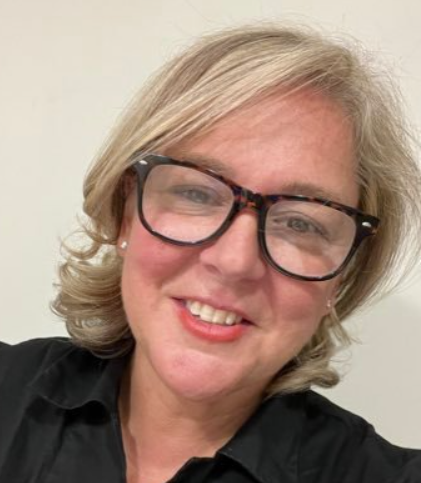
Second-grade teacher and Kinderchat co-founder Heidi Echternacht discusses why play and inquiry are central to early childhood education. She draws on models such as Reggio Emilia to explain what PreK and early elementary classrooms get right about developmentally appropriate practice that older grades often miss.
transcript
Speaker 1 Yes. You can learn through play. Here's how. And those group conversations, the reflection, and then afterwards, the writing for older children, especially, that's the assessment. That's the learning. Because a lot of times people think, well, learning can't occur without assessment. Well, it does all the time. You know? And so how can we assess it? Through conversation and through the writing. But that's my favorite absolutely is the grocery store example and all of those things that they came up with and that they realized organically through play.
Speaker 2 Hello, and welcome to episode one sixty three of the Human Restoration Project Podcast. My name is Nick Covington. Before we get started, I wanted to let you know that this episode is brought to you by our supporters, three of whom are Anna Wentlett, Kevin Gannon, and Kimberly Baker. Thank all you so much for your ongoing support. And with the help of teacher powered schools, so called Moran Partners, STEM punks, and what school could be, we've also officially announced our fourth annual virtual conference to restore humanity for July 21 through the twenty third twenty twenty five, focused this year on the quest for connection. This year's lineup features a number of workshops and panel discussions with educators like Nawal Karouni, Shanay Bond, Angela Stockman, Shana White, Doctor Emma McMain, Will Richardson, Audrey Waters, and so many more. We honestly couldn't ask for a better dream team to help navigate the challenges facing education in 2025 and beyond. If you're interested in joining us, tickets start at just $50 and you can find the full lineup at humanrestorationproject.org/conference. If you go back through the HRP podcast archives, and I encourage you to do just that, you'll see that we've covered just about every topic imaginable in the world of education, with some that keep returning again and again and again. But one area you'll probably notice a regrettable gap is in early childhood education, pre k through early elementary. One reason is that it's just out of the experience of the two high school social studies teachers who started the podcast. And another is that foundationally, at least for the classrooms that I've visited since, pre k through early elementary tends to get a lot more right about developmentally appropriate instruction and schooling than the middle and high school grades that follow. That's a large part of why I reached out to my guest today, to help unpack the ideas that make early childhood education such a powerful and important part of a child's life. Heidi Eichternacht is co founder of KinderChat, a weekly professional conversation, resource library, and online network for early childhood advocates and educators. Created and led by teachers, KinderChat has hosted global discussions between and among professional educators and in service teachers for over ten years. Author of the KinderChat Guide to the Classroom and the KinderChat Guide to Elementary Projects, Heidi has been an educator of children for over twenty years and currently teaches second grade in Princeton, New Jersey. Thanks so much for joining me today, Heidi.
Speaker 1 I'm glad to be here.
Speaker 2 There is honestly so much that I wanna talk with you about, and I feel like we're just gonna scratch the surface of surface of all of that in the scope of this conversation. So maybe we can just consider this a starting point for something that we'll have to revisit later. But for those who may not have heard about it, what is KinderChat? How to get started, and what are its goals?
Speaker 1 Basically, it's a public conversation about teaching and learning, about working in the classroom, especially with young children, really focused on young children. And so we you know, the sort of the when social media was really coming into its own. And so that's what we did is really just talk about early childhood education and focus on that.
Speaker 2 And I understand that there are two KinderChat books. There's the KinderChat Guide to the Classroom, which I have not read, and then the KinderChat Guide to Elementary School Projects, which I did read. Can you, I guess, speak to you have KinderChat the community. Can you speak to the audience and the purpose of the books then?
Speaker 1 Sure. So the first book, both books are really born out of frustration. Right? And and that so much is born out of frustration, which is back when we started, a lot of the information on early childhood education is either, like, cutesy or dumbed down. Right? So you either run into this cutesy stuff or it's it's a dumbed down version. And I think you still see that, but hopefully less so after the work that we've we've put in. But so the first book is really designed for specifically kindergarten teachers, but you could use it, for preschool or even first grade teachers. But it's really designed to let's talk about that specific age because it really is a unique age in the school, and so it's really designed to show how how do you honor, you know, that age of child without dumbing things down and without, you know, being cutesy about it. So that's really what the goals are of that book. The second book is born, again, out of frustration of people really not understanding why play is so important, and how play is learning, and it's not just something that young children do. So I think that's also part of it. With early childhood education. A lot of people dismiss it as something that, you know, oh, that's for little kids. Play is for little kids. And the second book really talks about, no. It's not for little kids. It's for everyone, and it's it's really how we learn. And so that book spends a lot more time breaking down, sort of different approaches to more project based learning, and then really listing how to do it with play.
Speaker 2 Can you speak more to that? Like, what what to you then are those, like, foundational elements that that make, in your mind, like, the most developmentally appropriate sound education experience for kids in that age range?
Speaker 1 So I mean play is how children talk to one another. So like in the first book, I talk a lot about nonverbal communication. You know, it's massive as a communicator, and early childhood teachers are very good at that, looking at facial expressions and, you know, body language and really being expressive. Right? So that's part of communication. But children are speaking through their play. That's how that's their their main language is really talking through that. And so it's not something frivolous. It's communication. It's language. And that's how you have to approach it is what are they saying through this play? It's a process of listening to that. So that's kind of where the lens I'm viewing it from.
Speaker 2 And I think what I loved about the Kinder Chat guide to elementary school projects, the one that that I, read, is that you give several practical examples. And you make an emphasis in the intro to the book, like, is not like the theory book. You go over those ideas in the beginning to help set things up, but then you say, here is what they look like in action. And you break those down into projects on the town and the neighborhood, civics and society, nature and the world, and then working together in the digital world. Can you perhaps just give us an example of what implementing these ideas looks like in the context of your own classroom through through the lens of your work?
Speaker 1 One of the things I love about teaching is that when you do it really well, you don't notice it. And so you could walk into my classroom and think, what's going on here? You know? It it looks like nothing's happening. But when you're looking more closely, right, and you see, okay. Well, there's a child on a bicycle, and there's a child working on computers on a different project. They're five. They're self directed. You know? Oh, there's a child playing right now. We're playing laundry, and she's doing that. And so they're doing all these very different things. And so you might think, what are they doing? It doesn't look like anything. So that's one of the my most favorite things about early childhood is it it often looks like so natural that you could easily miss it. And so that's why the interpretation is so important, and that's the job of the teacher is to interpret what they're doing. Each of those sections in the book is really designed to it's how children make sense of things. So it's the sphere almost of of a sense. So for example, the town and neighborhood. You know, that makes a lot of sense to a child because they know what things you might see in a town or what things you might see in a neighborhood. They have an idea of that. And so then we can co construct the laundromat, for example. They might see that in their house, or they might live in a city, and, they can they can help make that come alive. And so that's that's the fun of it is that we're co constructing. But then I don't wanna say fun because people dismiss that. That's the learning. So what kinds of things might you see in the laundry? What are people doing in the laundry? And let's see now how we're going to put that together to make sense.
Speaker 2 And people are so dismissive of that play aspect because they wonder, like, how do you know that kids are learning something? And I think the answer is often, like, so obvious that people maybe just dismiss it as being too easy, and the answer is really just like talk to kids. Ask them those questions. They will speak to you about their experiences and their sense making, and then the role of the teacher becomes, oh, putting the concepts to those things. And I I really underline an example in that town and neighborhood where the kids were playing grocery store. Yes. That's a lot. I love that one so much because then you include the responses from a group of fourth graders who are working at the store during their social studies class time. And there's there's honestly nothing more powerful than just hearing it in students' own words. So they each had different roles, that were in that in the grocery store. Some were stockers, cashiers, bankers, managers, and they say things like, you don't want to sell the food for too much because no one will want to buy it. 10 units is too much. Okay. Then what economic concepts is that student speaking to? Right? They're speaking to, you know, something I talked to high school seniors about, supply and demand. Right? And here's a fourth grader nailing that same thing. Let's see. Somebody else speaks to prices. Oh, someone else says the workers take charge of their jobs. Sometimes there's arguments, but they find a way to work together. Right? Like and who as an adult hasn't experienced, you know, those interpersonal tensions at work or even, like, ones that arise, you know, to, like, legal means. Right? There's a relationship between employees and employers. Right? We gotta navigate all of those things. Kids are experiencing that, speaking to it, and then, again, our job as educators to put those concepts on it. And you ask that teachers go further to ask students to write and reflect upon those things too because another thing that we know from Dewey is, like, we don't learn from experience. We learn from reflecting on those experiences. So giving kids those frameworks. I just, again, I I kinda have a smile on my face and chills just thinking about that experience that kids have and those moments
Speaker 1 that emerge later as they're reflecting on it. And that's the beauty of it. I think the grocery store is probably my strongest example where you can really see. Because when you start playing, a lot of projects approach it as let's learn all about the grocery store and now what kinds of things, and then we go into food and maybe food production. Okay. And we come at it from an adult perspective. But when I say, okay. Let's play grocery store. Okay. What are the jobs that might be there? And now whose turn is it, right, to be the cashier? And now we're fighting. We're arguing over that as as children do. Right? And, oh my gosh. We can't have an argument. No. What happens? How can we take turns? Well, shifts. Right? Shift work. And you wouldn't think that that is a primary place, but, yes, it is. And what comes of that? Okay. Well, there's different roles in the grocery store, and it comes very organically. And from that, then okay. What comes next and what comes next? And so and absolutely and then the conversation about that as groups. So I think that's the the book tries to get at that, yes, you can learn through play. Here's how, and that convert those group conversations, the reflection, and then afterwards, the writing for older children especially is the that's the assessment. That's the learning. Because a lot of times people think, well, learning can't occur without assessment. Well, it does all the time. And so how can we assess it? Through conversation and through the writing. That's my favorite, absolutely, is the grocery store example and all of those things that they came up with and that they realized organically through play.
Speaker 2 Yeah. And then to, you know, explain to them how those have their counterparts in, like, the quote, unquote real world outside of school as adults have had to navigate these same things. Right? They're they're living and experiencing and playing in this, you know, low stakes microcosm of, like, the whole world, and what a great great, experience for them. And I think another thing that you write about in the book is, you know, how often, again, play is kind of derided or dismissed because, you know, it's not viewed as being efficient. There might not be some super concrete learning objectives. You're not in control of the clock at all the time or the pace at which students are learning. But one realization that kind of came to me is that, well, in a lot of imagine that you had to, like, direct instruct the grocery store. Right? How long? That would take months, right, for each kid to individually read and learn about the roles. Right? Take these assessments. You have lessons about the cashier, the stocker, the you do all of those things, etcetera. And by the time you get to the the play part, right, it all of the emergent ideas are sucked out of it. Right? Kids are bored. They're not actually learning. They're just executing on, like, some preprogrammed design. So it was kind of like the antidote to that argument that, like, play is inefficient because kids are actually incorporating those ideas into again, I'm gonna use some Piaget things here, like their existing schemes, you know, to say, like, okay. They're they're embodying those ideas as they learn them as opposed to, like, through some kind of more rigid direct instruction, having to learn things that are outside of them and then transfer and incorporate it later, which is a much more inefficient process. So a a plus one to those ideas. Right? You nailed it. I mean, that's it. That's it exactly is that when you compare the amount of time you know, this grocery store was a two week project,
Speaker 1 and that's what they got out of that. You know? Now meanwhile, I am feeding, in the back, there are some ideas about economics that I have been feeding through, actually, gameplay through there was a game that we were playing, online that was talking about supply and demand, but that was separate, and then here they're they're really using that. So the time difference is amazing. It was a two week project versus, you know, all of that time as you're saying is it is really efficient.
Speaker 2 Yeah. Or or, you know, taking a test at the end of a unit about grocery stores. Like, again, like, the weird schoolish things that we do that try to make put learning into a box that, you know, that it really isn't particularly for these younger kids. As we've been talking about, you know, the idea of inquiry, oh my gosh, and play are sometimes dismissed outright or used as insulting derogatory words to describe practices that people don't like. But, like, why do you think? And that used to be, you know, the center of so much of early childhood up through middle school. Right? Now it's the case that kids don't even get recess when they hit, say, sixth grade or seventh grade. We decide to put all of these, 12 year olds who are all at the same weird stage in their, you know, adolescents, all in the same room, and they were like, oh my gosh. The middle school experience sucks for kids and adults and everyone else. So, like, why do you think? For for me, I'll put my cards on the table here. I think inquiry and play are, like, the the healing factors that could really resolve some of those issues. But why do you think in your experience, you know, twenty years, doing this work in elementary and then helping teachers out there too, Why are these things such a tough sell to teachers in schools?
Speaker 1 It's a very interesting thing. You know, I think it's mostly because people don't understand it, and that would be primary. Because underneath that is all these things, lack of curiosity. Well, why is it important? The idea that that you can conquer knowledge. And this this is a basic idea, right, is that the way we learn, some people would say it's a ladder of skills. Right? And other people are saying it's a concept map, more like that. It's a construction. And so you have those two ideas that are constantly going back and forth. And I mean, it's a little bit of both, but we definitely have, in America, we want things to be easy, and everybody's looking for that easy thing and that achievement. Right? It's easier to stick a badge on somebody and say, okay. Well, you've achieved unlocked level four, right, than it is to talk about the understanding, which is a totally different kind of way of looking at things, which is conceptual. That's the main reason. And underneath all of that, going back to people don't understand it, then you have a lack of support for you know, if you don't understand it, you can't support it, and then it's also hard to do well. It's not an easy thing. And so you have all of those pressures coming on to a teacher or a school system or whatever it is, and it's easier just to kinda say, okay. Forget it. I'll do I'll do a little project designed for that, and then I'll spend the rest of my time, you know, covering subjects and moving through the the the coverage of it rather than really diving into understanding. And then play also, you know, inquiries on one side, and then you have play on the other is people look at play as a break from learning because it's dismissed into recess. So recess is when they go outside and go crazy, and there's chaos, and that's when all the fights happen, all the arguments happen, so play is bad because it's a break from learning. That's when trouble begins. We've gotta cut it. No. It's actually the opposite, and it's when they're applying what they've learned. So if they've learned that unkindness, for example, gets you forward, we're gonna use that during our playtime. Or if some kid's struggling during play, you know, they're gonna use that. That's when all the the reality of things come out at playtime and more behaviors. But that also speaks to, you know, mental health and wellness of children and that the more you take that play away, you're also seeing a rise in that frustration level and all of those things. That's a little different side note, but these things are really all together. So, you know, especially in lower income where you wanna try to get achievement, achievement, achievement, you take the play out, which is the worst thing you could do because the amount of language that happens, the amount of intersecting concepts that happen, you know, they need more, more play because the wealthy schools certainly aren't taking play out. But, you know, I'm now going into other things, but that is the reason I would say why those two concepts are very dismissed is primarily because of those things. Misunderstanding.
Speaker 2 And all of the things you talk about, they're all related. Right? So once you start to look at that problem, yeah, you you it branches off in a 100 different directions, and you begin to see it for what it is. And to begin to maybe unpack it, right, the I try to reconcile the notion of achievement and how we measure that with the kinds of things that we were just talking about in the student reflections on, say, their role at the grocery store. Right? How does that experience and that student reflection, which to me clearly demonstrates some amount of deep learning. Right? How does that get reflected in the kinds of assessments that states and schools put a lot of value in? Right? I mean, standardized tests are really, like, two subjects, like reading and math for a lot of elementary kids. And, you know, if you can't put learning into a box that can be measured on those assessments, then it doesn't count. You know? And so, again, to speak to what you had said there about the teachers don't have a lot of models. Right? If you're in a place where high stakes testing is is really prominent, valued, the stressors are all around that, well, then that might be the life that you know as a as a professional educator. Right? And that's how you try to get your kids perform. And then to speak to support, definitely, like in our experience too, trying to teach teachers even at the middle and high school level, how to implement some of these ideas and how to take a look at project based learning. A lot of them, have been burned in the past. Right? They were once young and excited, and they tried this thing once, and it blew up in their face. And they were like, woah, that approach doesn't work because it didn't work for me that one time. And I I totally get that. Right? If you went through all the effort to plan and implement and do all these things and it blew up, you would go back to the safe thing. I totally get that. So there is, like, that need for teachers to be supported systemically, right, for administrators and PLCs and all those other, you know, professional learning opportunities we put in place to wrap around teachers to say, hey. We're all gonna try, and and you might fail, and that's part of the learning process too. How do we model for educators the kinds of things that we wanna model for kids, like and build those systemic supports?
Speaker 1 I think it's the heart of the situation. You know, I think it's the because a lot of people, you go to, like, the PBL session, you're excited, it fails Exactly. And then you bail out, and then it doesn't work. So understanding underneath that it's okay, first of all, that it didn't work, and that it is a complex system. You know? And that goes feeds back into, well, why is this resisted? It's because it's hard. It's not easy to do, and we're all looking for that easy thing in some ways. But, really, what we're ultimately looking for is building understanding, building sense making, you know, doing all and that's what this these books and all of this came out of is, you know, twenty years plus of trying to make sense of of education and all this stuff is how how this all fits together. You know, I think it's very important to talk about the complexity of it and very important to talk about the support because without it, you can't really do it. But it it's still important to know about as educators regardless. And I also think the the, thinking about learning as a ladder or learning as a concept map, as conceptual sense making is very, very important, and that speaks to kind of the regio piece that that has been threaded through all of this is is in there. But that's, you know, what comes next on our conversation.
Speaker 2 Yeah. That's that's very funny. I will I guess before we transition into that, I will give an a one more plug, at least for the Kinder Chat guide to elementary school projects, because you're very clear, like, in here, say, the the the two worst things that we you can do in this case is both over plan and, like, suck the life out of it and never actually get to the to the good stuff. And also on the flip side, under plan. Right? Because then you do. Kids have a bad time. And you have a bad time, everyone feels bad. That's not great. And that's why I think the book, like, says, you could do these projects. And it's like, start with this framework, build it into your own context. Right? Like, professional educators are awesome at connecting ideas to kids. And you say, here's this framework that that I used in in my class with my kids. You take that framework and try the same thing out on your own. So at least it takes a little bit of the risk and the heat out from teachers planning from scratch their own thing, seeing it fail. You know, it's like, it's got the Heidi stamp of approval that said, I've at least tried this thing. Go try it in your own context. So, yeah, one last quick plug for that because I think that's a that's a real great strategy for teachers. Yeah. Well, and thank you for bringing that up because the adult is the is the worst enemy of the of the project in some ways is because
Speaker 1 they they wanna set it up in in the adult frame. You know? And then they take over the play, and it's like, no. No. You you gotta back up. So you do need to understand play in order to do these. And I think that that's I thank you for bringing this up because, you know, teachers need to understand that very clearly and spend more time watching children play, teachers of all ages, because then you start you see what they do, and then you start just feed it. You just start to feed feed the need, and, that's really the art of it. But then constructing, you'd be surprised at how difficult it is to construct a whole micro society. Right? A microeconomic you know, with a bank and a and a and a grocery store, you have to really think ahead. So you're thinking ahead, but you're also thinking behind. So it's a different way of thinking that I think teachers would really enjoy once you get started. It's very fun, but teachers are absolutely I've seen I've seen it where they just take over, and you're like, you're killing it. Don't do it. But you have to really trust children, and I think that that's the other thing underneath here is learning more about play and trusting children and just watching what they do and then feeding their needs. You know, that's that is the primary thing is listening, really, is listening.
Speaker 2 You know, like, in baking, there is the concept of, like, overmixing and over kneading. Like, at some point, you gotta step back and just say, like, the ingredients are together. If I overdo it, it's gonna ruin the final product. And and this was a habit, And I think as teachers, we just get trained by the system. Right? Because you gotta go go go everything. You're going a 100 miles an hour with your hair on fire. And one thing that I found myself being really bad at when I stepped out of the classroom was just observing. Right? Just stepping back, being an observer to a space, and and noticing because so often teachers, we're doers. Right? We wanna get in there, and we wanna do a good job. Right? And we wanna be sometimes the star of the show. We wanna help kids. We wanna do everything else, and so hard just to step back and just say, hey. Let the process work and see and may intervene if something's going terrible. Right? Or if there's there's a oil spill or a kid sticks his finger in the socket, by all means. But in lieu of that, maybe just watch things unfold. And, yeah, that's again something that just takes a lot of time and a lot of practice to get to. Well, and that's one of my favorite things. You have the, you know, helicopter parents
Speaker 1 who are sitting over the child and watching them eat the cupcake and trying to control you know, and oh my gosh, she spilled a little icing. And then you have the stand back parents who are watching the helicopter parents and saying, see them, helicopter. And meanwhile, the helicopter parents are standing back. How could they're not involved. You know? Look at those parents standing back. They they're not involved. So it's it's a funny thing that that, you know, takes time. It does take time and confidence to be able to stand back and observe.
Speaker 2 The reward for that, though, right, trusting kids, means, like, that they can be trusted. Exactly what you said there. And just like we would with adults, you know, if I didn't trust the other people that I worked with, right, that would harm those relationships and our ability to get that work done if I was micromanaging and doing all that. Part of kids being able to step up, right, we always say kids need to own their learning and all these things, give them the chance to. And I I give more or less infinite grace to teachers because there's just so much systemic pressures. But at some point, right, we have to take a little bit of agency and just say, like, I'm not gonna intervene in this place, or I'm gonna let this play out because I know in the long run that's what's best for kids. Now, ugh, that's that's soapbox. We've been talking about a lot of important thinkers and frameworks that are at the heart of play in inquiry based learning. You know? Dewey's Dewey and Piaget's constructivism, Papert's constructionism, and somewhere in between those two ideas in historical development emerges Reggio Emilia, whose ideas about inquiry play and student sense making seems to suffuse the practices and projects that you write about for KinderChat. And Reggio was not something that I that was really on my radar until just last year when I heard Mera Krachevsky, who's someone who has worked at Reggio schools and is really like a huge academic and documentarian of that work. I heard her speak about Reggio and pedagogical documentation at the Progressive Education Network Conference, and it kinda blew my mind. And I feel like in another life, I really missed my calling, to be a regio pedagogista or however, we we might conjugate that. I don't know if that if that's a gender neutral term. But could you explain? I I mean, I'm so excited about, this idea, the historical context. Could you just explain a bit for listeners who don't know that historical development, how it emerges in that particular context of postwar Italy, and what some of the fundamental pillars perhaps of the regio practice are?
Speaker 1 Sure. Well, I am I am no expert on it. I'll I'll say that because, you know, it takes years of study to to, to learn about it, and that's another reason why a lot of people don't know about it is because it takes a long time to figure out what what's going on. Right? And and, again, people are looking for that easy answer. But it is a philosophy of education, basically, that was born out of, out of World War two, out of a it's a reaction towards, almost towards certainty. You could almost say it towards certainty. That's that's what the reaction is. So central to the philosophy is, teacher as interpreter. Okay? Interpreter of children of of their, of the language of children, essentially. What are they doing? What are they talking about? And that interpretation takes place through from child to teacher, from teacher to government, teacher to society, community, and teacher to teacher. Right? So there is this the the teacher is doing the work of translation, and interpretation, and that is a very different view than teacher as deliverer of information, right, which is how we would primarily in America, say the role of teacher is to deliver the information or to deliver the the the the knowledge. Right? And this is saying teacher is the interpreter. So that is very different, and that is that is the key point, I think. And and behind that is documenting so there's an emphasis on documenting the thought process of children. Right? So in addition to that, there is this emphasis on the the project approach really is is the basis of and constructing knowledge, and how is knowledge put together. So it's really trying to get at the fundamentals of how knowledge is constructed. That's the basic thing, but it is a hugely complex and fascinating. I'm so impressed. You read the books. I'm like, oh my gosh. Look at you. Because it does unlock real, interesting concepts that I think are essential to the practice of teaching and learning and education today. Absolutely. So I encourage people to really dive in and learn more. It's not like you can become an expert on Reggio. You enter into dialogue with Reggio. So there's all these little shifts in language that, you know, at first you think, why are what is that? And then the more you learn about it, you're like, okay. That is actually an important shift.
Speaker 2 Yeah. It more or less seems like a one eighty, you know, from the American mindset. And that historical context, I mean, as a history person, a history teacher, is so fascinating to see a pedagogy emerge directly out of the response to, like, the conditions that created fascism in Italy in World War two. Right? So here you have, you know, in this little Italian town, you have a group of people who are, like, you know, committed to making that world not happen again. And so then, yeah, developing ideas, developing, you know, processes. It's really ways of thinking about children and their relationship to society and, like, the role that school plays in all of that and really taking it very seriously because I mean, my god. You know, in the postwar period, we're still living in the aftermath of that. And I think a lot of people, and I would say myself included until very recently, will see another Italian sounding name in the form of a Montessori school. Right? So so maybe maybe you're driving down the road, you see like, oh, there's a Montessori school. You're looking you see a Reggio Amelia. Those must kinda be two flavors of the same thing here. What I learned is that they're not, and I felt like a real dumb dumb for for thinking that. Could you talk then about those differences? If I'm just like, again, a parent driving down the street and I see a couple of those programs, what in the world is the difference other than the, you know, different Italian names?
Speaker 1 It's very interesting. The that Montessori and this goes back to the crux of the of of how learning is constructed. Right? So a lot of people think Montessori is this very free choice thing. No. It is it is extremely controlled. It is very ladders. Right? So the child is, its child is individual. Okay? The individual child is, interacting with the environment in a way that they choose, yes, but the material so each material there's not a toy. Right? It's not just a toy. It's it's a material for learning. And so that they approach that toy, and then they, you know, achieve that learning within that toy, and then then they can go to the next level. So it is and that's why they have multi age. Right? Because you might have a three year old and a five year old who are progressing at the same level. So it is highly individualistic, but it is this is how the toy is and why it's it's con it's what it's teaching you, and you then achieve that and then move to the next level of of work. And I shouldn't say toy. You know, that would not be what it is. It's it's a material for designed to teach a specific skill. And so Montessori is really approaching learning as a ladder that you are climbing, and you're doing it individualistically, and it is very structured. Okay? So that that that's on that side. And and the most interesting part is Mussolini loved Reggio or not Reggio, Montessori. I'm sorry. Mussolini loved it, and I just became so interested in thinking about why. And that unlocked a lot for me, in terms of the disadvantages of, ladder structures of learning. And I don't mean scaffolding cause scaffolding is also a little bit different, but the achievement based, I'm gonna just say that. In comparison to regia, which is a reaction against Mussolini, really. And so it is much more conceptual, and it is much more group based. Let's talk about this as a group, and here's a reflection. Here's a dialogue of what the group was thinking, and here's documentation of that, and here's how we did that and approached that. So they're two very different, you know, approaches, and you won't really go and see a Reggio school because it's very, it's not something that's formalized. You'll see schools that say reggio inspired. And a lot of those, some of them don't know, even a lot of the complexity that is in there, and some are unbelievably beautiful. I visited some, Reggio schools in New Jersey, and they really understand exactly what's happening. So there is and that you'll see that in Montessori as well. You'll see a wide variation, a wide interpretation. So it's not easy to to know about. That's that's why a lot of people don't know about it. So I I just found the contra you know, the contrast between the two so interesting. I was really captivated by that idea.
Speaker 2 Yeah. It is it is wild to read about that history and to think Maria Montessori is starting up this method in in these schools, like, in the prewar or, like, in the thirties in Italy. And then Mussolini comes along. He he's like, oh, this is great. Like, I wanna teach everybody about Italian nationalism through these Montessori schools. And and my understanding, I mean, I I haven't, like, studied it so much, but is that Montessori was, like, horrified by that. She's causing she bails. She comes to The United States, and that's kind of when, you know, I don't know the relationship between Dewey and Montessori, but, you know, they're kind of navigating the the same time period there. So, yeah, it is just very interesting to think, like, the Montessori has that reputation of being like this open, loose, like Sudbury school sort of thing, and it's like a really tightly controlled method. That kind of shocked me. And Reggio as, like, I don't mean a mindset? It's, like, really a way of bringing an idea into a space and then just, like, setting up I don't know. Like, the the setting up the environment so that way the idea can emerge organically. I I guess I don't know, but it's so wild. There is one really key idea from from Reggio that I'm fascinated about bringing, you know, into every classroom context, and that is the pedagogical documentation piece. Because I love the idea that, like, the student it brings student thinking and learning into this public space. It makes it democratic. It makes it visible so that way anybody can see, right, what's going on here. And, of course, there that requires, like, safety, community, and all of those things to take the risk and make that thinking public. But then when it's out there, we can all think on those objects together. And just I love the concreteness of it. I love the ability then to modify those models and learn as as we learn and grow together, those models and things are gonna change. How have you seen that play out, you know, in in your own practice? How have you embodied that idea of pedagogical public documentation?
Speaker 1 I I think it's one of the most powerful things because it helps communicate. Again, teacher as interpreter of children's thinking. Right? And it moves the the parent from my kid understands a, b, and c, which is good. I mean, you need that. That's the parent's job. But that this is the range of thinking. Right? And so it helps the parent expand their their knowledge of you know, because the parent sees one kid. They see one child in isolation, or, you know, they have several children so they can see the range, but when you document, you know, multiple children's thinking, especially without saying who said what because that's also important. You know, you're just giving a framework and saying, well, this is our range of thinking. You know? Why do leaves fall off trees? You know? Why in the fall? What why does that occur? And and then write down, and the teacher has to make selections, and she's making decisions about which piece of information to, you know, include, and somebody says, well, they just get so tired. They just shake and fall off. They just they just can't stand it anymore. You know? And and that's our thinking. But now a parent would might say, well, they're gonna tell. They wanna fill the information. Right? No. This is why it happens. But a lot of people actually don't know why. And so so these are the kind of questions, and when you show that thinking and you make that thinking public in some way, it really helps people see the thought process and where children are in how, you know, in in the range of their thinking. And so it provides more conceptual frameworks around that rather than, well, this is why leaves fall off. You know, they fall off because of the light. That's it. That's the answer. You know, another one is what is the like, here's what what is the story of Goldilocks and the three bears trying to teach children? Okay? That's a fun one because people assume they know. But when you really start thinking about it, you know, it's an environmentalist's dream. That's what the story is about.
Speaker 2 But I need I need to go back and reread Goldilocks.
Speaker 1 I know. Right? But there's these sort of questions. Like, I went to a regio session, and they were talking about the the children asked the question, do plants make noise? And then the they documented how the children went about finding out do plants make noise. They had stethoscopes, and they were listening to the plants. Now you could see the teachers in this room, like, hearts beating, like, oh my gosh. What are these people doing? Like, it was crazy. Right? But, you know, come to find out, well, plants do make noise. And so, you know, we assume all of these things don't happen or that we know the answer, but it is, again, embracing that curiosity. Well, how are we going to know? How can we find out? What questions can we ask? So it's that approach that is you know, you're trying to constantly drive at. That's the interesting part. So you do that through documentation, and that is giving a picture. It is providing a picture for people of the process of learning. And I think that that you know, you're right. It's the single most, I think, big takeaway for that is instead of a grade, well, you've achieved an a. You know, you've unlocked the a badge. Well, what does that mean? How much do you really remember of what you you know, of high school biology or high school whatever it is you you learned? You know, could you pass a test today on that? But when you learn it through organically and through this process, you you could. You know? And so I think it's a very interesting, switch in terms of how you approach, teaching and learning.
Speaker 2 Yeah. That's such a great example too. Like, the book, you write about compliance understanding, and I feel I think of the kid who, if you ask them, why do leaves fall off trees, they could just, like, recite an answer. Right? That might get them a score on a test, but that doesn't really demonstrate an understanding of the thing. It's almost like, you know, when you think that you know, then the inquiry process actually stops because you think that you've arrived at some kind of answer. But then maybe you follow that up with a question, you know, and say, well, why are there still oh, these are these are coniferous trees now. Their their leaves don't. Do they have leaves? What are these pointy things? Why don't they fall off? Well then, oh, now we're gonna have to instigate this inquiry process now as the as another we're gonna have to test our schema against all this new information. So it's like really, in this case, like thinking that you know is like the enemy of that process of finding out the thing.
Speaker 1 Well, and exactly. And you don't see this any there's no better illustration for this than second than than math. Okay? Wow. And it is in borrowing and carrying. Right? And and it is the number one place you'll see it because, you know, we the new math or whatever, you're teaching the concept, right, of tens and ones and hundreds and all the different place values and all of that and breaking down into base 10, okay, things. And then the child takes home the homework. Right? 316 minus 211, whatever it is. And then the parent says, don't then then they teach them the algorithm. Don't listen to that. Right? And they say, let me show you how to do it, and they teach the stacking method to the child mostly because the parent themselves and teacher I shouldn't say this because a lot of teachers don't understand it either. They just teach the algorithm because they themselves don't understand actually what they're doing. Yep. So then they you know, and so it then it just gets passed down, and the child then misses the learning. Right? And it is so funny because I when I taught second grade I'm now back in kindergarten, but when I taught second grade, I would tell parents this. I'm like, you're gonna wanna teach them this. Don't do it every time. You know, about a third of the class, what they would still go home and teach it. And so but that is a great example of the misunderstanding that occurs in that space between understanding and and then the concept. So just what you were saying. Yeah.
Speaker 2 I had something else, and it just, like, went straight out of my brain. So oh, because that that is just such a I think that really is, like, the vital dichotomy. Right? To sort of understanding how we arrived at this place in education, especially, you know, as, you know, like, it the high stakes trickles down into earlier and earlier grade levels. Right? The demand that kids know versus the, you know, request, the the requirement, I would say, that kids learn to inquire. And I always got frustrated in my practice as a high school teacher when I would try to, like, reignite project based learning in my own context, right, an inquiry in a high school classroom. Because I would have kids, 17, 18 year old 16, 17, 18 year old kids who have never done any of that, and they've entirely forgotten how to do that. And I would say, like, guys, red alert. Right? The rest of your life outside of school is gonna be this. You have you gotta do it. And I I would preface, you know, we'd start the thing by saying, well, let's ask and answer a self generated question. So what's like what's something that you wanna know that you've never gotten to learn before? What's a problem you'd like to solve? What's some some part of the world or community you'd like to connect with? And they'd say, I don't know. I've never been asked to do that before. And I would say, this is these are kids who should be the best at this in their school career. Right? And all they've done is just know and regurgitate answers. And they know that too, because they'll they'll tell you that. They'll say it's just test and forget, test and forget. I had a lot of kids come back or email me, you know, after they got to college, they say Covington. The what you what we did in your class is so much like this college class over here that I have to do now. So just what you know, hey. Just wanna let you know that they're making those connections. Right? And I think I always think what what what the power would look like if we kept that inquiry mindset from early early childhood education, right, if we embedded that there and then just grew that, scaffolded it. Right? Imagine what eight seven 16, 17, 18 year olds could do if they had twelve years of inquiry learning and asking and answering self generated questions, connecting with the community, managing and organizing projects. Right? Like, they're gonna be the best at that by the time that they hit adulthood when all those other supports structures and scaffolds fall away and it says, welcome to the quote unquote real world now. Right? Like, what if they've just been in that world the whole time? I guess that that again, I'm I'm soapboxing a lot here because this conversation, Heidi, is connecting to so many, like, key ideas and frustrations about the current system that, you know, I have and that I've experienced on both sides of these things.
Speaker 1 I hear you. I'm with you. I'm with you. I understand.
Speaker 2 I'm with you. So so I guess that that is to say, seeing that and, you know, reading that in your work, being able to connect with you in this, and then, you know, to have you help me build a bridge to to Reggio and, like, a whole other world that values and honors that, I I'm I'm super appreciative. I'm thankful. And it just it feels very validating, then. And I I I think our collective mission should be to embed those ideas and and provide the supports for those in early childhood education and then make sure. Right? Let's just let's keep that momentum going and and build it throughout. In addition to everything that we've talked about, right, obviously, the the KinderChat books must have. Vital. Read those. Connect with Heidi and the KinderChat gang. I think about, like, how you got into this or the things that you read that inspire you. What resources would you recommend to parents or educators looking to learn about these kinds of methods and practices that we've been talking about?
Speaker 1 I I, you know, I think it's particularly difficult right now to to find things that are, reputable. You know, there's so much out there now. It's it's just, I think to sift through and find things as a parent, you know, there's just it's just so much information out there, that it's hard to know, well, what what is it that I believe? You know, what is it that I that I want for my kid? And I think keeping curious and watching your children, observing. So and and I think play is primary. So there's a guy, doctor Peter Gray. He he he's doing some great work with play, and, I'm really reading a lot of that. So just to you know, it's like a rabbit hole. One will lead you to the next will lead you to the next, will lead you to the next. And you have to find what resonates for you know, with you as a parent. But I think the landscape today is extremely, extremely complex, and yet it's very simple. You know? It's this is basic stuff, but it's almost that the most basic things have gotten pushed away. So in terms of just social play, basic social play, and and the experience that you know? Because kids are spending more time on the computers and less time interacting to the point where, you know, the computer is now dominating what is what you're supposed to be learning. No. The child should know how to interact with one another. So, you know, just those competing resources are difficult to to move through. So, I'm giving a bad answer to your question because spending more time We need answers. I know. Right? We need concrete answers. It. Spending more time with each other is and more time in communities, that is a huge resource right there. So almost less time in isolation, more time with each other, I think, is is actually a big answer.
Speaker 2 Yeah. That's huge. I I speak to myself as a parent. Right? Hard to just step back and observe or to let your kids do things. You know? They're in the kitchen. You're, you know, stressed out. They're gonna oh, like, what's literally, what's the worst that could happen? Right? The batch of cookies doesn't come out a 100% perfect. Right? Or, you know, they put the Lego in the wrong spot and have to take like, you know, give them those low stakes chances to figure things out. They're gonna be slow and awkward and clumsy with it. Yeah. And I think the only way to really get better at that is through practice, patience, you know, observation. Oh, it's not it's not a good skill that I have is not intervening. I I appreciate that that reminder. What if listeners wanna connect with you directly or the KinderChat world? What's the best way for them to do that?
Speaker 1 Well, we have switched models with the changing of social media. Okay. We are now doing I'm on Substack. The KinderChat is a monthly post. We post monthly, basically writing prompts. And so you can it's almost sort of a mail order thing is subscribe there. Our website has tons of resources on it, a library, different, resources and different places you can go and look.
Speaker 2 What's the URL for that? It's kinderchat.org.dotorg. Okay. Awesome.
Speaker 1 Yep. Kinderchat.org, and, and then the sub stack is on that so you can subscribe through, through that. And that comes out monthly. We won't slam you full full of emails.
Speaker 2 And we were able to connect to arrange this conversation via your Blue Sky presence? Yes. You wanna drop your handle on there? Yes. I don't even know it. I'm like Oh, god. No. No. No. You're good. Probably h ekt or not. I don't know.
Speaker 1 Because they have a different handle, but because you've got the dot blue skies.
Speaker 2 Yes. It is HEchternauk@bsky.social.
Speaker 1 But if you I'm sorry.
Speaker 2 If you search for your name, it'll it'll pop up. It'll come up. Username. But That's it. No. That's great. I am so grateful for that we were able to connect. Thank you so much for, again, introducing me into this this rabbit hole that I've that I've gone down. Thank you for KinderChat and everything else to help keep early childhood education vibrant and, you know, full full of life and inquiry. And thanks for joining me today for this conversation, Heidi. Well, thank you so much, Nick. I always enjoy your your posts and your thinking,
Speaker 1 and, this podcast is amazing, and I appreciate the opportunity to talk with you.
Speaker 3 Thank you again for listening to our podcast at Human Restoration Project. I hope this conversation leaves you inspired and ready to start making change. If you enjoyed listening, please consider leaving us a review on your favorite podcast player. Plus, find a whole host of free resources, writings, and other podcasts, all for free on our website, humanrestorationproject.org. Thank you.
resources
- Kinderchat Substack · Heidi Echternacht (website) Professional resource library and community for early childhood educators, created by teachers. link →
- The Kinderchat Guide to Elementary School Projects: A Playful Approach to Learning · Heidi Echternacht (book) Practical guide to project-based, playful learning in elementary classrooms. link →
- In Dialogue with Reggio Emilia · Carlina Rinaldi (book) Foundational text on the Reggio Emilia approach to inquiry and early childhood education. link →
- Free to Learn · Peter Gray (book) Argues that unleashing children's instinct to play produces happier, more self-reliant learners. link →
- Visible Learners: Promoting Reggio-Inspired Approaches in All Schools · Mara Krechevsky (book) Shows how to make student thinking and learning visible using Reggio-inspired documentation practices. link →
- Heidi Echternacht (person) Co-founder of Kinderchat and second-grade teacher; follow her on Bluesky for ongoing early childhood discussion. link →