

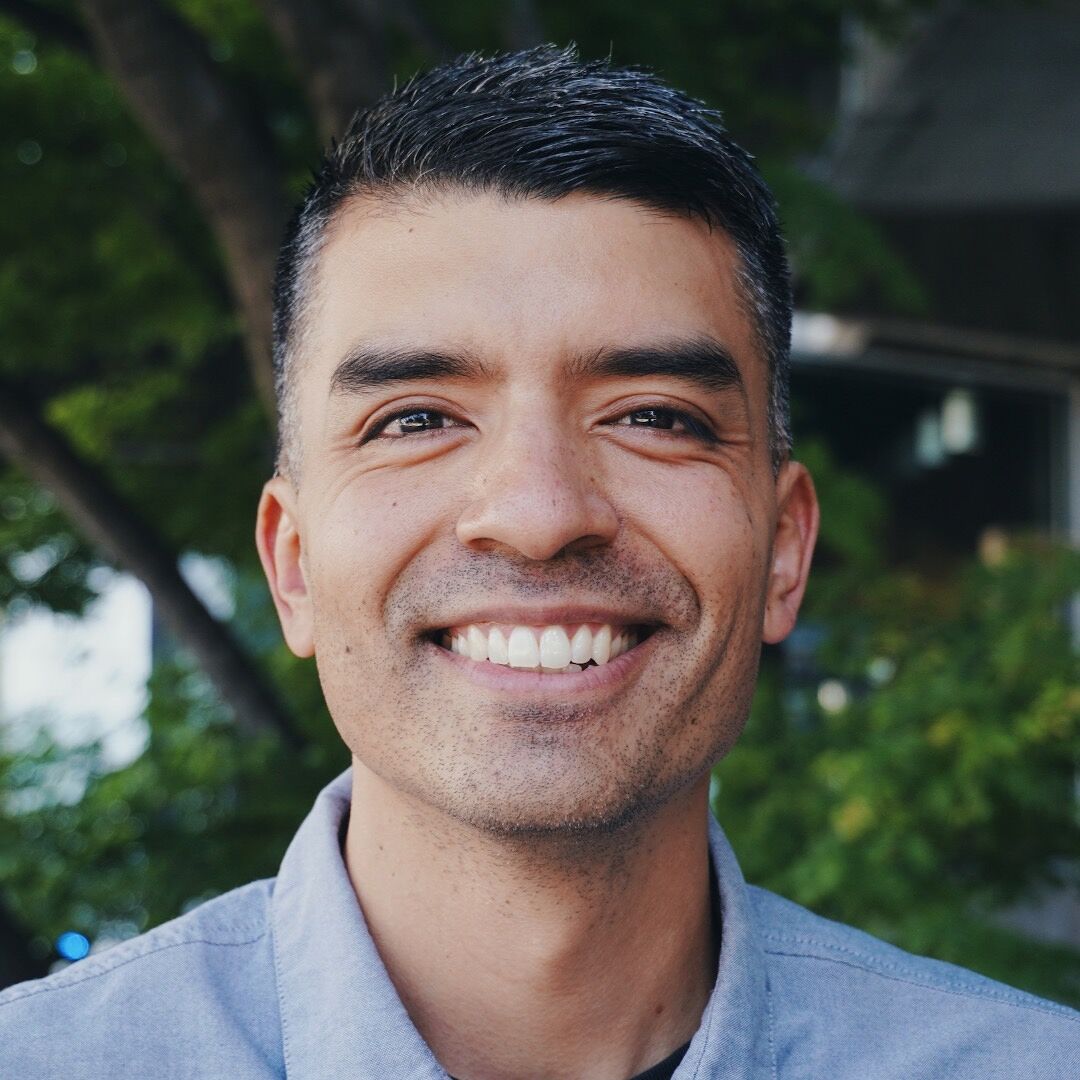
Mike Tinoco, a California public school teacher, shares how nonviolence pedagogy can embed love, healing, and justice into everyday classroom practice. His book, Heart at the Center, draws on Kingian Nonviolence and Nonviolent Communication frameworks. The conversation centers on building inclusive, community-focused learning environments.
transcript
Speaker 1 Hello, and welcome to the latest episode of our podcast. My name is Chris McNutt, and I'm part of the progressive education nonprofit Human Restoration Project. Before we get started, I wanted to let you know that this is brought to you by our supporters, three of whom are Darren Oshtinowski, Kimberly Baker, and Karen Sadotti. Thank you for your ongoing support. You can learn more about the Human Restoration Project on our website, humanrestorationproject.org, or find us on social media and YouTube. We're so proud to have hosted hundreds of hours of incredible ad free conversations over the years. If you haven't yet, consider rating our podcast in your app to help us reach more listeners. Today, we're joined by Mike Tanoco. Mike is a full time public school teacher from California and author of Heart at the Center, an educator's guide to sustaining love, hope, and community through nonviolence pedagogy. Oldie Mohammed called the book, quote, an urgent call for truth, love, and justice for every educator and community member who deeply dreams of and seeks peace. Further, Mike is a certified Kenyan nonviolence and center for nonviolent communication trainer who provides workshops around the country, and he's an award winning beatboxer. So thank you, Mike, for joining us on the podcast today.
Speaker 2 Thank you for having me, Chris. Happy to be here.
Speaker 1 Of course. And I I just wanna dive right into really the the framework for the book, which is in part based on, the the concept that you're leading and coaching throughout the country, Martin Luther King's Kingian nonviolence, but also the nonviolence pedagogy that's shaped by doctor Marshall Rosenberg's work, as well as the martial art Aikido. Could you just briefly walk us through what that nonviolence pedagogy framework is?
Speaker 2 Yeah. I I would say in a nutshell, my practice draws from these three, distinct, practices and traditions, and there's a lot of overlap with them, because they're so deeply grounded in nonviolence and love. This framework really is about centering relationality, creating and sustaining community, and trying to dissolve forms of violence that manifest in the ways that we act and and some of the ways that we speak, even some of the ideas we may hold. And so it's trying to hold this consciousness of, moving ever closer toward, a world of nonviolence, one that is free of harm to the greatest extent possible and trying to restore and transform relationships, particularly when there's ruptures, when there's, intense conflict. And so these three philosophies and traditions and ways of being have greatly supported me in my teaching, but also just in my personal life as a man of color, as a father, as a friend, as a person, etcetera, etcetera.
Speaker 1 The way that you weave it within the classroom is really interesting. Because when you talk about a nonviolent pedagogy, I think that folks might read that title and instantly think this is a book about, quote, unquote, classroom management or about, like, you know, keeping prosocial attitudes within the classroom. But you're really talking about something that's much more holistic, something that gets into academics, that gets into relationship building, that gets into how we share power with students in the classroom. And you weave that into that warrior scholar principle stuff. Before I ask more about that, though, could you briefly walk listeners through how that's incorporated through the warrior scholar principles inside your classroom?
Speaker 2 Yeah. I'll I'll first start by just saying, the warrior scholar concept is not something that I created. I first learned about it when I was studying the work of educator Jeff Duncan Andrade, who's based in East Oakland. He's been an educator for, like, thirty plus years. He's also a professor at SF State. And my understanding is that concept, is something that comes from the Hagakure, which is a book on, on samurai. And so it's something that he didn't, come up with either, but he and his students would recite these these concept, these principles called the definite dozen, which are grounded in kind of a liberatory education, growing as human beings, really being committed to the struggle of of empowering ourselves, empowering our communities, and disrupting ways in which schools can be oppressive and harmful. And so his definite dozen is really, kind of, I think, his way of of, practicing this mentality of a warrior scholar. Similarly, for me, as I've studied Aikido in particular, Morihei Ushiba, the founder of Aikido, the martial art, describes the way of a warrior as something that's really been misunderstood, something that's really grounded heavily in violence, and he offers a different way of thinking of what a warrior is, which is someone who is really driven by love and committed to fighting for people, but in a way where we're not, like, destroying. So it it that might strike people as a kind of paradox. Like, how can you practice a martial art that's not intended to harm? Or that's that's not that's not trying to inflict, like, pain and violence. And while there are techniques and movements in Aikido that can certainly cause, like, harm or or, like, wound, an opponent if one deems it necessary. The goal is always to try to, create harmony. And so I was really influenced by that that that idea of of a warrior being someone that's trying to create and bring together and not destroy and create division. And that's not to suggest that that that's what Jeff Nocon Andrade was trying to do. Right? Like but for me, like, I wanted something that was explicitly grounded in nonviolence. And so the, in my own classroom, we have six principles of a warrior scholar as I understand a a warrior scholar to be based on my own interpretation, my own study. And I can share those quick briefly here and then answer your question if that's helpful about, well, what does that look like? Yeah. I write about this in chapter I think it's chapter two of the book, if I'm not mistaken. The six principles are, one, love myself and others. My thoughts, words, and actions can build or destroy. Two, discipline myself so that no one else has to. I'm in control of my own life. Three, stay committed and grow. Never ever give up. Four, speak and listen with an open heart and mind. Honor differences and see people's humanity. Five, be of service to others, help people succeed and thrive. And six, fight for what's right, be on the side of justice. So these six principles are really a foundation. They are infused through what we do as a class. So that ranges from, like, the content itself, like, looking at stories, where we're able to really, sink into the heart space and practice empathy, that shows up when we're sharing our own stories, when we're doing, maybe the kids are sharing poems or they're sharing, personal narratives or whatever it might be, and then we're we're maybe writing positive notes for each other, like, really trying to honor each other's stories. Sometimes it's just reflecting on, like, choices we're making, like, what needs are we attending to, and what impact might that have on others in the space. So I'm thinking particularly principle two, discipline myself so that no one else has to. Like, I'm not in the business of trying to punish my kids. I'm always trying to support them and reflecting on, if there's something that I see them doing that maybe is, like, a distraction or disruption, I'll always try to be inquisitive about it and invite them to reflect on, like, what needs are you attending to by doing this thing. Okay. The principles are kinda woven throughout. I I'm always asking myself, like, okay. What is the content? What are we doing? Why are we doing it? How are we doing it? And these six principles are kinda like the north star that guides me as the teacher, but it's also bigger than just, like, what we're doing. It's like a a vision that I'm hoping that we can hold together, something that the kids can see themselves being part of, that it's a kind of collective identity, and that I'm hoping we're doing something different than just the the regular business of school. Like, I want the kids to feel that, and I think most of them do.
Speaker 1 There's something that you said that really sparked a thought here, this is gonna be very unfinished, so this might not make any sense. So fingers crossed. Alright. Which is you mentioned this idea of aikido being often misunderstood or perhaps even misapplied as something that's a form of violence because you're, I mean, you're quite literally incorporating, like, fighting into the the practice. And I wonder about how that relates then to also how a lot of folks might envision education as a practice. So as as we know, like, the history of public education has had its ups and downs, but a lot of folks, especially from, like, historically underserved communities, have been harmed by education. Mhmm. And it's been seen that, like, as an educator that you might be the person who is inflicting violence upon the young people at its most extreme. Right? So I I'm just curious about, like, those parallels. Just really interesting to me about this idea of using education as, like, a weapon for good as and kind of using almost in self defense in order to equip young people to have that shared power and opportunity versus a more historic or oppressive view of education
Speaker 2 as something that's been seemed to tear people down or, like, separate folks or rank and file. Yeah. That's a that's a really interesting parallel you're drawing. And I think part of what a pedagogy of nonviolence asks of us or or maybe more appropriately demands of us is that we're always self interrogating and being reflective of, like, practices that might actually perpetuate harm even if we're not intending to. Right? And as someone who works for represents, like, the institution of schooling, like, I know there's ways in which I may unwittingly do that even though, like, I myself am a I'm a practitioner of nonviolence, a certified trainer. Right? Because we're just working in this system that's saturated with just, ways of being in systems that have, like, not served kids in the in the most in the fullest way that's, like, really serving their humanity. So for example, like, one thing that, I think most teachers would find pretty innocuous and perhaps even necessary is the idea of, like, quote, unquote, managing kids, like, having classroom management. And I totally understand that. Right? When I think about my first year and to a to an extent, even my second year of teaching, like, the the challenge of trying to hold a space where, like, we're maximizing the conditions for, like, deep, rich learning. Like, you there's gotta be stuff in place that will facilitate that. So I wanna empathize with just the the the importance of, like, being able to do that where it's just not chaos. Right? It's not pandemonium in the room. But I think that calls to have, like, strong classroom management, quote, unquote, can veer us into a place of, like, having control over kids where we're, like, supplanting their autonomy and their sense of choice where kids then act in ways they're motivated motivated by fear even if it might not seem that way. It this it it instills this idea or reinforces this idea that, like, you gotta listen to authority or else. And at the extreme, it's, like, about it's dominating. Right? And I'm not in the business of trying to perpetuate play into this idea of, like, dominating other human beings. There's so much evidence and examples of, like, violence that's a result of that, of dominating others. And so that's just one one example of, like, where I'm trying to be conscious of, like, how do I disrupt that and be transparent with the kids. Like, this doesn't mean, like, free for all. Let's just do whatever the heck we want. But going back to needs and we can talk more about that, I I imagine, in this conversation. What do I mean by needs? But, yeah, I just I appreciate the the parallel you were drawing there. There's an art to that sharing power piece. And in fact, I mean, Duncan Andrade, the the author that you mentioned, co wrote, the art of critical pedagogy, which is kind of all about that exact concept, which shout out to that book, amazing book as well. But
Speaker 1 regardless, the reason I'm thinking about that is one of the things that really struck me in your work, because it's something that we also see a lot, I almost laughed out loud when I read it, The way in which so many teacher professional development structures are set up surrounding curriculum development, curriculum alignment, etcetera, I think often distracts us from the common sense or the purpose of education or, like, why we're doing this work. You mentioned this anecdote on how you'll often bring up these warrior scholar principles. And then sometimes some teachers will ask, like, well, how do you do that while also getting to the curriculum? And those are the types of questions that often want me at least to, like, bang my head into a wall because it's like, oh, the like, one of the principles is literally being of service to others. If our curriculum doesn't allow us to equip students to be of service to others, then what in the world is the point of all of the content that we're teaching? Mhmm. And it just seems like the first principles get messed up when we get too focused on more of those bureaucratic or state standard like aligned principles or kind of like the wonky bureaucratic school y stuff Mhmm. As opposed to just thinking more holistically about these are human beings in a room who are trying to hopefully make leaders and change makers. People are gonna make a better world. It isn't exclusively competent production then followed by, you know, these these nice to have things that would make folks good people, quote unquote. Mhmm. Mhmm. No. Absolutely.
Speaker 2 Part of my answer to that question too is, like, how do we do this in addition to everything else? It's like, well, this is the curriculum. It's part and parcel of it is the curriculum, and it's without the principles. Like, I just remember how much harder it was to teach stuff to to have things sort of cohere together, and, like, I just things were much more piecemeal when I was an earlier teacher, when I didn't have a very clear vision for why am I doing this, toward what ends, and and, like, how is it actually supporting us beyond just, like, college readiness, you know, knowing the standards. Like, that's not good enough. And and this is, you know, I was I came from a pretty progressive social justice based teacher education program, and I still wasn't quite ready. I wasn't at the place certainly not where I'm at now. And so the principals, the kids know. Like, they they they can feel that, like, what we're doing is yes. It's English class, but it's it's it's beyond just, like, the reading and writing. Like, they they they they know that they're really evolving and growing. And I just had so many kids share that, you know, they've been able to connect with people in this space that they didn't think they would have or that they've learned more about themselves. They appreciate excavating their own stories. And oftentimes, when it gets to when we when we're at the places and units where kids are writing about themselves, sharing parts of their stories, maybe not surprising, there's a lot who find that very difficult. They're not used to that. And and a lot of them, like, they've never done it before, like, coming into our class. And I'll often ask the kids. I'll say, okay. But I'll first empathize with where they're at, especially if there's resistance to the idea of wanting to share things aloud. And then I'll just ask, like, does that suggest about schools that, like, you haven't done this before, that this is not a normalized part of your experience? Like, what does that say? And I just kinda leave kids with that to just invite them to reflect on that question, not as a way to sort of, like, get them to do what I want, quote unquote, but, like, just to really help them see that, like, what we're doing here is is disruptive. It is different, and it is trying to honor the fullness of who they are so that we can center our stories. Life is text. Right? So, yeah, it's it's like a it's something that I'm in dialogue with about other teachers and educators who ask, but also with my own kids because it's a journey. Right? These principles are something that needs to practiced over time. And, yeah, it's it takes a lot of work. Yeah. How do we help teachers,
Speaker 1 I would say, even, like, rediscover that? Because I'm imagining that most teachers, if they're going into the profession, went into it with that in mind. I don't think a lot of folks become, let's say, science teachers exclusively because they want to have kids learn about the chemical elements. They probably have a more grandiose aspirational, like, wanna build a better world. I wanna help young people see the power of science, etcetera. They wanna have these more aspirational goals. How do we help teachers, I don't know if move away from is the best terminology, but focus more on the whole child as opposed to
Speaker 2 kind of hyper obsessing or becoming so ingrained within a system that focuses on standardized test scores, standards, etcetera. Yeah. I really appreciate that question because I think as someone at one like, early in my career, like, I remember being, like, really kind of fixated on standards. Just a lot of pressure to do that and also just wanting to, like, be competent as a as a teacher. Right? Like, I wanted to know, like, how do I teach, inferences and character analysis or whatever? And I just remember getting a little too lost in that. Like like, the standards as the starting place was actually making it really hard for me to have something that felt as relevant and engaging as it could have been. So part of the answer to that question, I think, for me is having clarity around, like, what is the vision of the world that you have And or, like, what is your vision for what schools could be? Or what is your vision for what a classroom could be? Like, in the most idealist in the most ideal situation, like, what could that classroom slash school slash world look like? And I write about this in chapters one and two of the book, like, where I'm inviting readers to really think about that and to ground it in needs. And part of what nonviolent communication helps us understand is, like, all humans have the same shared set of needs and that all behaviors are attempts to meet one or more needs. And so I know that for myself, when I got clarity that, like, what I'm really interested in as an educator and as a human being is having a a world that's grounded in beloved community, that's, trying to be free of violence and free of oppression, and that really values interconnectedness. Like, I want that both in my community, the world on a grand scale, but I want that in my classroom too. And so when I when I think about that, that very clear sort of vision, I can think of things we can do that will help, facilitate that. Activities, standards, whatever. Like, if as long as I can, like, ground it in, like, what are the needs that this supports, then I can move closer to that vision. And if we can articulate that with the kids, then it it it offers a little bit more about, like, why are we doing this beyond just, oh, it's on the pacing guide. Because so many kids will ask, like, why are we doing this? Why are we doing this? Like, just just in general. Right? Like, they just ask that, especially in, like, math class and these classes where, like, the the topics might seem, like, just disconnected. I think having a articulated vision can be really helpful for that. Yeah. Having that love and care piece
Speaker 1 also move into, like, a shared power or, like, autonomy piece, both for kids being able to, like, be able to even question what it is that they're learning, but also kind of take more of charge of what they're doing. But, also, I would imagine that also applies from the administrative level to the teacher level. So giving teachers the opportunity to question the different bureaucratic practices that they're doing or being able to have creative control over how they pace out their class or how they work with students. Because as we know, kids aren't going to be able to have the environments that we're talking about if teachers aren't able to have similar types of environments to express their own control with without some, like, creative noncompliance, of course. I mean, you can do whatever you want, but it certainly makes things a lot easier if administrators are supportive of that work. Absolutely. And and that part is critical right there, having the leeway or autonomy
Speaker 2 support to be able to do those things where you're not bound by rigid sort of pacing guides or worse scripted curriculum. Thankfully, like, I I'm in a situation where I there's a there's a good level of autonomy, and that affords me the the space to really, like, slow down. And maybe that'll come up later in our conversation about, like, slow urgency where I'm able to focus on the things that feel really important while still, of course, you know, having everything standards aligned and getting the kids to do, like, the writing genres and stuff that the district wants them to do and all that. But, yeah, I've I have enough experience too where, like, I I have a sense of, like, okay. What's really gonna serve my kids? Or, like, what what's gonna, like, not work as well and what what'll fall flat? You know? Like, there's there's there's years of, like, having some stuff that, like, I I I've been able to learn a lot through trial and error about, like, what's gonna work. And just, like, pacing wise, like, roughly, like, how many weeks is good for this this thing? How many, you know, how many weeks do we wanna dedicate to this other thing? So it's definitely something that's taken time, and it still takes time. Still figuring it out. But, yeah, I'm in my fourteenth year, so it's taken taken some while taken a while.
Speaker 1 Yeah. I mean, let let's just talk about slow urgency, because it's a principle that reminded me a lot of emergent strategy, which I'm a huge fan of Adrian Marie Brown's work, where she has a principle which is the there's always enough time for the right work. Mhmm. As in it's always okay to slow down. It's always okay to not have everything figured out. But it requires us to not rush into things or throw everything out out if it doesn't work or, you know, it gives us permission to fail in many ways. I'm curious about your interpretation of this idea of slow urgency and how that then incorporates into the classroom, especially given everything that's going on in education generally, whether that be kind of the post COVID well, post at least twenty twenty COVID era and school shutdowns, but also, like, moving into there's an election in a few days as of recording. A lot of stuff going on there in terms of the education world, a lot of fear, a lot of debate, I suppose. What does slow urgency look like in your practice?
Speaker 2 Yeah. Thank you for the question. I'll speak to some aspects of it because there's so much, and there's like in the book, there's just there's two chapters dedicated to it. Right? But part of what it means to me is really attuning our kind of orientation to time, like, the the way the pace in which we sort of move about, like, really aligning that to the breath. And what I mean by that is, like, the breath in its sort of natural state, there's just this ease. There's this kind of calm when we're in this kind of this homeostasis state, and, like, I want that for for, like, the teaching and learning. And the reason why I say that is because I just remember how stressful it was being a student myself, the kind of hustle bustle grind culture of of college, especially, and, like, the all nighters and stuff, and that's so not necessary. And and not only is it not necessary, it's very harmful. And I see it so much in in in my my own students, particularly those taking, like, AP classes. But even those who are not taking AP classes, like, the kids are just stressed out. And, yes, like, there is we all know, like, stress, there are stress is, like, a normal physiological thing. Like, it's it's it can be healthy to have, like, some, but, like, a chronic perpetual stress, this kind of manufactured stress is not something that we need. And so I don't wanna perpetuate that. I've seen, like, just how harmful and toxic it is. And so I've been really intentional about slowing down where, like, yes, we might not cover x y z. We might not read as many books or whatever. And, like, I'm okay with that if it means, like, the learning we are engaging in is rich, it's deep, The students are still getting all the skills, and that they're actually enjoying the learning. It's something that's supporting them right now, not just later. Because I think kids are told all the time, like, you need this for the real world. Well, are we talking about, like, five years from now, like, after they graduate or four years from now, whatever? Like, the real world is also right here right now, and I wanna be responsive to the world that's that the kids and myself are currently living in, not just the one, like, when after they graduate. With that said, there's a there's there's a seeming or maybe real paradox in that I'm thinking about, like, for those of us who work, particularly in schools, like, with high needs populations, historically marginalized groups, you know, migrant populations, kids of color, high poverty schools, etcetera, the stakes are really, really high. And for a lot of the kids who are, you know, maybe quote unquote below grade level and, like, there's a sense of urgency to, like, make sure our kids are graduating and, like, they they have the skills they need to get to college and beyond, etcetera. Like, that is so important. But I'm not gonna feed into that if it looks like we're just cramming and teaching bell to bell, like, just packing stuff in. So, yeah, like, we need to have, like, volume of writing practice. We need to do that. We need to be practitioners of our craft. And what feels really radical to me is to be able to slow down and be like, you know what? We're gonna start every single class period with a few mindful breaths. Like, let's just slow down. I'm gonna put my feet back or feet flat, back straight. Gonna invite y'all to join me if you would like. Most of the kids do. K? We're gonna turn off the light for a moment. Let's just let's just settle into this space, ease in before we jump into the work, so to speak. The kids appreciate that. We're gonna take a little stretch break midway through most days. We have ninety five minute classes. I wouldn't wanna sit in a chair for ninety five minutes straight. Take a little stretch break. Let's go walk outside and enjoy. Just let's take in some fresh air. Let's normalize taking little breaks, not being bound by the, quote, unquote, official breaks of the school day. Like okay? And so I'm just, like, small ways in which we can, just normalize just moving at a place at a pace that's that's more attuned to the breath. So I like to use the phrase, like, teaching breath to breath rather than bell to bell. If I may, I'd like to read a a a quote from doctor Martin Luther King that, to me, like, really connects to what we're talking about. He says, social progress never rolls in on the wheels of inevitability. It comes through the tireless efforts and the persistent work of dedicated individuals. And without this hard work, time itself becomes an ally of the primitive forces of social stagnation, and so we must help time, and we must realize that the time is always right to do right. I wanna read just one more. King also said, and this was, nearly ten years prior, following the success of the Montgomery bus boycott. He says, for almost four years now, I've been faced with the responsibility of trying to do as one man what five or six people ought to be doing. What I've been doing is giving, giving, giving, and not stopping to retreat and meditate like I should to come back. If the situation has not changed, I will be a physical and psychological wreck. I have to reorganize my personality and reorient my life. And so what I'm appreciating there is King's own recognition that the the kind of I don't know if they were using the term grind culture at that time, but just the nonstop pace was, like, taking a toll on him. And, yes, like, it it the the the change that we need is a result of the work of dedicated individuals, as he says, and communities working together. So it's a both and, but I'm not gonna compromise my commitment to normalizing a way of being that is really, like, helping us be attuned to taking care of ourselves. And the last thing I'll say that feels important for me to name is I think when we move too quick and we're kind of on autopilot, we lose connection with our own needs. We we lose connection with our own needs and tend to operate from a place of like, oh, I have to do this or else blank. I know that to be true for myself. And so when I'm moving at a at a pace that's more slower, that's more spacious, I can have discernment around what doing and why I'm doing it. I can be I can remind myself that I'm choosing to do x, y, and z because it's meeting certain needs. So if we're if I'm choosing to say, I don't know, like, we're gonna dedicate a class period to sharing our narratives. Well, one of the needs that that's gonna meet is care, being seen, being heard, community. Like, we could move on to the next unit, but, like, attending to those needs feels really important. And so I'd rather do that first, and the other thing can wait another day. Right? So yeah. So there's there's a lot I could say, but I I hope that that
Speaker 1 answers your question for now part of your question for now. No. No. I I think that's that's super powerful. It reminds me a lot. So I was a teacher for ten years and and something that I really struggled with early on. But, I mean, to be honest with you also, like, nine, year 10 as well, was this idea of always feeling like every single day needed to be a perfect lesson or a perfect opportunity for kids and, like, being hyper structured and rigid with, like, lesson plans and things of that nature. And it took me a long time to realize that day to day, most kids probably are not well, not only not hyper engaged with the class, but also probably aren't going to learn every single thing that you wrote down. So just going through the checklist of I hit standard two, four, and six doesn't mean that kids actually learned standard two, four, and six. And over time, it it helped me kind of recognize that even from my own schooling experience, you tend to remember, I don't know, five, ten at most major ideas that you learned in a class or concepts, and then day to day were all of the structures and building blocks of getting to those five to 10 major ideas. So as a a social studies teacher, I was always, and I I covered, like, modern American history. A big part of my goal as a teacher was honestly, like, recognizing the horrors of war because that was a huge part of the curriculum. Was, like, World War two, Vietnam. And finally, the standards were written in a way that it was more about, like, this battle. Like, what was the importance of the battle of Stalingrad? But as an educator, I mean, the reason why I became a social studies teacher is that I want people to recognize, like, Stalingrad wasn't just a turning point of the war. Like, we're talking about thousands upon thousands of people dying and how terrible this is and, like, why we probably should avoid just rushing into wars, etcetera. So all of that to say, yes, like, understanding the importance of different standards is important, But really what I wanted was to build a culture in my classroom where day after day, as we were covering these things, Kidd discovered the theme of, like, being anti war Yeah. In many ways, shape, or forms. And how I got there was was slow. We're talking about many, many days, many days that probably didn't work, things that I did wrong, you know, things that just like the vibe of the day was off, and that was totally fine. All that said, there's also something to be said about some something you mentioned regarding having, like, that nonviolence pedagogy when it comes to going slow is, you know, as a as a teacher, it it often feels like you're breaking the rules to go slow. Like, you're doing something wrong. Someone's gonna walk by and say, like, well, why are you not teaching bell to bell? Why are you not doing these different things? Especially in a time where the concept of social emotional learning, SEL, has become weaponized. A a brief anecdote on that, which really surprised me. So next week, our organization will be at CASEL, the center of social emotional learning out in Chicago. And they've already sent an email out. It's, like, 10 paragraphs long on what to expect in regards to potential, like I don't know if violence is the right word, but, like, verbal violence, like protests, people trying to sneak in, being secretly recorded, like fear, protests, how to report things to security. It's it's quite shocking at an SEL conference. So we have that threat at the institutional level of not doing things in a more traditional pedagogical way of, like, not covering standards bell to bell instead of taking those breaks. But then we also have a larger, like, federal slash cultural level where the concept itself is becoming weaponized politically? There's probably a question buried in there, but I'm curious about your your thoughts about any and all of that.
Speaker 2 Yeah. It's scary to see that unfolding right now. And, like, I'm I'm really like, my my heart goes out to the educators and students and families, communities just, like, directly impacted by that. Like, I'm I'm not experiencing that right now. Like, we and the community where I teach, at least not right now and hopefully never, we will experience that. You know? But it's infuriating. It's it's frightening to think about, like, well, what what, like, broader implications can this have? Like, it's already having repercussions. Teachers are already losing their jobs. Kids are already being denied to learn about themselves and other communities and histories that, like, they absolutely need to learn about, where there's you know, like and I'm thinking particularly about, like, LGBTQ students, right, where, like, they can't even feel fully safe in some some of their schools and classrooms. So that that really weighs on me. And I don't know. One of the things that comes to mind is, like, for those of us who can do it more easily without the risk of, like, losing our jobs, like, I feel like we have a responsibility to do everything we can to tout the the teaching and learning that is really about, like, humanizing our kids, and that's grounded in love and empathy. And for those who are, battling that or or or, like, against, critical race theory, SEL, etcetera. Like, I just would hope that they can really educate themselves and not just go off of, like, talking points where things are really being misconstrued. And as a nonviolence trainer, like, I am also challenging myself to try to guess, like, well, what are the needs behind the opposition? Because what I don't wanna do and I'm just speaking for myself. Like, I don't wanna feed into The Us, them, the kind of this binary that reifies so much violence in the world as it is. Like, The Us versus them kind of binary is, like, at the root of a lot of violence. So I'm trying to not play into that while still recognizing, like, I'm pissed off. Like, I have a lot of anger when I see all this stuff and these pushes to, like, demonize SEL and try to wipe it out. Like, it's so needed. It's so essential. Right? And the same thing with ethnic studies. Like, all these efforts to try to, like, get rid of this stuff, like, I'm not okay with that. So I think it's like a multipronged sort of response, I guess. It's like if there are folks who if there's infrastructure, I guess, or, like, ways to, like, help facilitate, like, the opposition and, guess, getting clarity around, like, okay. Well, what are their needs behind the fear or the anger that they might have? And, like, what are other strategies they can attend to instead of just trying to dismantle these programs? Right? Like, that's one strategy. It's a very extreme strategy, and it's not one that's actually gonna serve our kids and our teachers. So, like, what else could be done instead so that they can maybe attend to their own needs? I don't know. So maybe there's, like, some future work for me to do, like, on a potentially, like, broader level. I'm not quite sure yet. Because right now, like, I'm a full time classroom teacher, and I'm just you know? But I'm I'm wanting there to be some some hopeful way of, like, diffusing the noise and stopping, like you said, the weaponization of of, I don't know, like, to destroy these programs and and approaches to education that just really feel essential. And just one other thing, kinda connecting to to what we were talking about a moment ago with, like, the slowing down and stuff, like and what you were saying, like, about trying to help your kids. What would you say? Like, be sort of, like, anti war. Like, I'm trying to help my kids practice skills and ways of being that will serve them for life. And I don't just mean, like, reading and writing. Like, of course, I want them to be, like, competent and skillful, beautiful readers and writers, but also, like, have taking with them ways of being that will serve them when they're in the workplace, when they're with their families or doing whatever work they wanna do that feels really meaningful or just, like, day to day. Like, I would so want for them to be able to see their the importance of, like, mindful breathing, for example. And so I would hope that anyone who's opposed to that can see the value of, like, here's why it's important. Right? When we think about the the mental health crisis facing many of our young people, like, well, can we interrogate, like, why that is and what are ways of being that can, like, really help them? So I don't know. I I
Speaker 1 that's that's my kind of partial answer to that question. That's what comes up for me at the moment. I mean, I think that's why your book is so powerful and important though for teachers, which is on two levels. The first is that I would imagine that many of the folks who incorporate strategies and systems that you're proposing in regards to nonviolence curriculum pedagogy, the folks that are on that are in the classrooms, the students that are experiencing this, are likely not going to see them as nefarious or wrong or in some way destroying public education as SEL is often framed. And as a result, I would imagine that many families, caregivers, etcetera, don't as well. It's that classic, like, you know, public education is the worst thing ever, but my school is doing great. Or in this case, like SEL's, you know, a terrible practice, but SEL the way that this teacher's doing it at the school that my kids go to is totally fine. So being able to incorporate those SEL practices into the classroom helps demystify what it is that it is we're talking about. Because at the end of the day, it's a very strange thing to be upset about. I mean, all of these things are, but SEL at a baseline is just such a basic idea that it seems bizarre that it's even up for debate. Yeah. And I would imagine that by incorporating strategies from the book, it just helps folks see what it is that we're talking about. In the exact same way that, like, when we talk about social justice or any other principles. When we actually have a chance to talk about it, people come on board once they see what it is. Secondly, though, is that I think it helps equip teachers with a little bit of opportunity for creative noncompliance, being able to kinda go against the grain and recognize that at a certain point, if you're in a district that is so mandated that you're not able to practice the things that you're talking about, at what point is it a step too far? Like, at what point are you just simply upholding, like, delegitimizing and and hurtful practices towards kids, and how can you push back against that and or find a space where you can? I I struggle with saying that sometimes as I recognize the the the real economic ramifications of, like, leaving a position or or what that looks like and what that means for kids that you're leaving behind. Mhmm. But at the exact same time, if you're not able to do any of these things because of district policies or school board policies, etcetera, then you're really just upholding the same dynamics that already existed despite being maybe nice about it. Mhmm.
Speaker 2 Yeah. Absolutely. And it goes back to something we were talking about at the top of our conversation around, like, what is nonviolence pedagogy? And one of the the the core pieces there is, like, trying to disrupt violence and and disrupting harm. And so if if we're recognizing that there's something that's harmful, even if it maybe has, like, good intentions behind it, a policy, a system, whatever, we have to make a choice. And and, right, and, like and and I wanna just own, like, the the privilege that some of us have where, like, we don't necessarily we're not as bound by certain things where we might have more leeway. And so we might have to make certain choices, and and there may be certain consequences that come with those choices. Right? So, yeah, it's it's hard. And I too am, like, sensitive and mindful of the fact that, like, for some folks, like, they they cannot afford to lose their job. It's not so easy. It's just being able to find a new one right away. So, like, I I I understand that. But I think part of why I've been able to shift into, like, this this going all in on this current approach is because, like, I've seen things that just weren't serving my kids, and I've been willing to just be like, okay. Like, I'm gonna do x y z. If there's some music I need to face as a result, so be it. Like, I'm willing to do that because I'm I'm very clear about needs of for for of mine and for my kids that I'm choosing to meet, that I'm hoping to meet. Needs for autonomy, but also needs for hope, needs for creativity, needs for justice, needs for belonging, things that tend to not be prioritized in a day to day, right, just in the school and system. So, like, I'm gonna attend to those needs. And if anyone has an issue with that, then we'll I'll deal with that. Like, we can have a conversation, but I'm not gonna act and as a I'm not gonna give my power away by feeling like, oh, I have to do blank. I don't have to do anything. I'm choosing to do x y z because it's meeting my needs.
Speaker 1 Let's end then on, like, a positive proactive step. So you're a teacher. You've been listening to this conversation. You wanna disrupt the status quo. You wanna practice a nonviolence pedagogy. You wanna do these practices with your students. What's one thing we could do tomorrow based around the activities that you're utilizing?
Speaker 2 At the risk of, like, tooting my own horn, I would say, like, I'd love for folks to read my book. But if they can't yet or, you know, if that's coming later I mean, there's a reason why we're talking about it. Well, and part of why I say that, like, I say it kinda somewhat facetiously, but also, you know, like, it's it's it's hard to just sorta oh, here's some, like, just quick strategies you could do. Like, it is a holistic practice that takes a lot of time to develop, and, you know, the book has, like, 10 pay chapters, right, of, like, here's how it it can be practiced. But I think one of the things that I would say that it that any teacher could do tomorrow is just ask your kids, like, what needs of yours are being met in school? Or you can even zoom in. What needs of yours are being met in our class? And there's a list of needs that you can find. If you just Google nonviolent communication human needs, you'll see a list pop up. You can just ask that question, and that's like a nonjudgmental question. It just it's it's sort of for information gathering so you can have a sense of, like, oh, okay. Like, what what needs are we meeting in here? Is it is it mostly intellectual or hopefully, like, belonging needs? And that's not to say we have to meet everyone's needs at all times. It's not about that. It's just about being attuned to, the multiple needs that we have and that we're not just privileging the head. And I would also say that if teachers can do that for themselves, what needs of yours are being met currently in the work that you are doing? And that could be, like, just in your school or just, like, the the the stuff that you're doing with your kids. Like, is it really serving you? Do you feel like you're restricted or kinda bound? Are there things you might be able to break from and veer into so that you can meet other needs of yours? So that's what I would say. And I have, like, my own list of needs and feelings in the book, if that's helpful for folks. Yeah. No. I I appreciate the the sharing, Mike. I appreciate the work. I should also shout out that it's
Speaker 1 really well written. A lot of, like, really cool examples and work thrown in, and I appreciate the fact that it's very actionable. It it has a lot of workbook components that a lot of books in this genre do not. It's not exclusively just like my story or, like, positive vibes. It has actual implementable things throughout. It's also over 300 pages long, which is worth noting. It's it's quite the codex of various information that we can utilize. So I I appreciate you coming on and talking more about it. Thanks so much for having me, Chris. Thank you for the shout out and for just carving out time to engage with the book.
Speaker 2 I really appreciate it, and this this was a this was a joy. Thank you.
Speaker 1 Thank you again for listening to our podcast at Human Restoration Project. I hope this conversation leaves you inspired and ready to start making change. If you enjoyed listening, please consider leaving us a review on your favorite podcast player. Plus, find a whole host of free resources, writings, and other podcasts all for free on our website, humanrestorationproject.org. Thank you.
resources
- Heart at the Center: An Educator's Guide to Sustaining Love, Hope, and Community Through Nonviolence Pedagogy · Mike Tinoco (book) A practical guide for educators embedding love, healing, and justice through nonviolence pedagogy. link →
- Mike Tinoco (person) California public school teacher, author, and certified Kingian Nonviolence and CNVC trainer. link →
- Center for Nonviolent Communication (CNVC) (organization) Certifying body for Nonviolent Communication trainers; offers frameworks applicable to classroom practice.
- Gholdy Muhammad (person) Scholar who endorsed Heart at the Center as an urgent call for truth, love, and justice in education.