

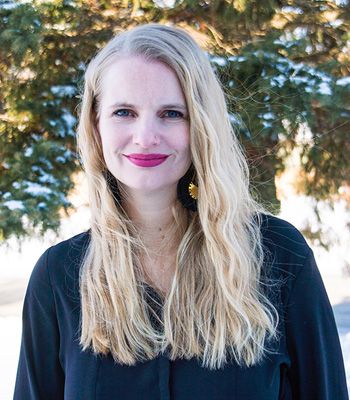
Pernille Ripp, a Wisconsin teacher turned Danish educator, compares American and Danish education systems. Denmark offers free PreK-college education, high teacher pay, small class sizes, and strong public trust. This episode explores what American educators might learn from Danish society and schooling.
transcript
Speaker 1 And after the shooting in Uvalde and after seeing my own kids, having to live in an American society where kids are so dispensable and where we are scrutinized, I realized that it was time to go home, that I needed to move my family so that they could get a feeling for what it meant to be Danish because I was losing my own Danishness. And I was losing hope, and I could feel it every day that it took more and more energy to simply exist in the space of America and that I was becoming this incredibly, like, cynical, heartbroken version of myself that didn't have the energy to fight back anymore. But we needed we needed to recognize what was normal again because our normal had gotten so skewed and what we lived with stress wise was not like, is not the way to live.
Speaker 2 I am thrilled to be joined today by Perniel Rip, a passionate educator, author, and literacy advocate. She's the author of Passionate Readers, The Art of Reaching and Engaging Every Child, Passionate Learners, How to Engage and Empower Your Students, and Reimagining Literacy Through Global collaboration. She's also the founder of the Global Read Aloud, a program that's connected millions of students and teachers around the world through the shared joy of learning. And for all of our benefit, Perneil is also a prolific sharer. After teaching in Wisconsin for over a decade in her blue sky reintroduction, she noted that she was back living in Denmark because she needed to breathe a bit easier. And she frequently posts about her experience in the Danish education system. Fun fact about teaching at my Danish school, she writes, when we are sick, we are not required to write sub plans because we're sick. And by most measures, Danes are among the happiest in the world despite having among the highest tax rates. Healthcare and pre k college education is free. Hygge conjures cozy seasonal vibes. Did I get it? Did I get that right? Little close. Hygge. Oh, I tried. I looked I I even looked up a pronunciation guide for it. Okay. Denmark has some of the highest public education participation and teacher pay, and some of the lowest student teacher ratios and class sizes among their OECD peers, including The United States. And on a more grim note of comparison, the Wikipedia page for school shootings in Denmark contains a single entry from 1994, the only school shooting in Danish history. However, as a PDF, the list of school shootings in The United States since 2000 is 169 pages long with footnotes. Regular listeners of this show will know just how immediately all of this grabbed my attention. In the past, we've had guests talk about their experiences with everything from the education system in Trinidad And Tobago to the national Chinese college entrance exam. So I'm thrilled at the opportunity to dig into both American and Danish society and education systems with someone who has knowledge and experience in both. So thank you so much for joining me today, Purniel. What an introduction.
Speaker 1 We I mean, you you brought things forth that I hadn't even considered. So thank you so much. I'm so excited for this conversation.
Speaker 2 Let's just talk about your background, the nature of your student focused work, your passions and expertise as a teacher. Where do you hang your hat, and how do you see yourself as an educator, Praneel?
Speaker 1 I see myself as someone who, shares loudly as I fail continuously. And I and I and I think it's such a wonderful thing to be able to share our failures and our successes and our small ideas. And it's an approach I've taken since 2010, the year I was gonna quit being a teacher. I was two years into teaching and realizing that the dream crushing I was doing to small children was definitely not the teacher I had envisioned to be. Instead of quitting, my husband, who was very pragmatic, told me that I could change the way I teach. You know, you can't teach you can't change the children, but you can change the way you teach. And for me, that was really what parted the skies. But I also was never meant to be an educator. I grew up in a family of educators. You know, my mom, my my my stepdad, my grandma, my aunt, like, everybody was a teacher. And I remember distinctly telling my mom when I was in my teens that I was certainly never gonna be a teacher because teachers were the worst, and my mom couldn't tell me wait to tell me when I then graduated as a teacher. But this calling of working with kids was always there. I thought maybe first I was gonna be a day care worker, and then it was a social worker, and then it was always something around children, but it wasn't until I bartended for quite a few years and and met my husband. And he was like, what are you gonna do with your life? And I was like, yeah. I don't know. Maybe go back to school. And he was like, that sounds good. Like, may yeah. Go back to school. And and and when that kind of popped back into my head after I had dropped out from college prior, it was like, well, now what? And that dream of coming back and working with kids was something that really spoke to me. And so as so many of us, you know, we end up in places that we didn't quite expect. I certainly didn't expect to leave Denmark when I was 18 to move to Wisconsin. My mom, was a a cultural ambassador for for Denmark at the University of Wisconsin Madison and and and was kinda like, well, we're we're moving. And I was like, okay. I guess I'm moving with because you graduate in Denmark at 18. And she was like, well, come for a year. And if you don't like it, I'll I'll, you know, I'll pay your ticket back. But as the story often goes, I met a guy. But that guy, thank god, introduced me to a much better guy, and he ended up being my husband. And so I ended up in America not realizing that that's where I was gonna be for twenty four years. Right? It was kinda like this, like, oh, I'm gonna go to America. I don't know what to do with myself, and then life just happened as it does. And all of a sudden, you're looking around. You're going, well, is this is this where I'm gonna be? Okay. Yeah. It is because I fell in love with this American guy, and Denmark has a really restrictive immigration policy. And it was kinda like, here we are. Like and so I I got to teach in Wisconsin among incredible colleagues who I miss in schools that were, public schools, but also had leadership that wasn't afraid to try new things. And and despite being very much hampered by standardized testing and no child leave behind and and, you know, all of the things that have gotten thrown at us, I also had leaders that had a lot of guts. And that when I would come to them with my kinda, like, just out of the box ideas or the little little things I wanted to change, we're very good at saying, you know what? Let's let's try that. And I was good at saying, can I pilot? You know? That's always how I do stuff. Like, can I pilot? Not doing grades. And they're like, well, you do have to do report cards, but, you know, maybe change the conversation. And and I loved it, and it made me fall back in love with teaching because I got to experiment and I got to be led by the voices of the students. And because my brain is always running a 100 miles an hour, my poor husband was the recipient of all of my brain chatter, of all the ideas I wanted to share, and all the things I was gonna try, and what the kids were telling me and what I was figuring out. And he looked at me one night, bless his heart, and he was like, have you thought about writing? You really like writing. And I was like, no. And he was like, you know, there's this blog. Like, people are blogging. I'm reading blogs. And I was like, that sounds fun. And, you know, as one did in 2010, it was like, I'm gonna go on WordPress, and I'm just gonna start a blog. And I was like, well, I'm a fourth grade teacher. So I was like, blogging through the fourth dimension. Like, woo. You know? Like and I wrote a post, and it was the typical, like, I'm gonna write about stuff that I do. And then I had just joined Twitter, and I sent out the post, and someone left a comment. And it wasn't my mother. Right? Like, it was it was they were like, I can't wait to read what you're gonna write. And I was like, what is this now? And so 2010 for me was this, like, awakening of, okay. I totally have to throw out the way I teach. I'm now connected to educators who are also experimenting with, like, no grades, no punishment, no rewards, like, all of these things. And I have a place to, like, share my thoughts and publicly fail in order to grow. And I think that that was such an important aspect for me too because, you know, I was given the first six weeks of school, you know, like, all these very, like, you know, generationally given teacher books, and they were fabulous, but I couldn't be those teachers. Like, I felt like I was constantly failing and that my students weren't good enough. They weren't good enough at sitting still. They weren't good enough at paying attention. They weren't good enough at doing grades. And I realized that I had this really twisted view of what good teaching was, and it was also because that's what people were sharing. And so it was like all this perfection. Oh, today, had the best lesson and the then I would, like, go and do that lesson, and it it sucks. Right? Or it was just mediocre. Like, it wasn't perfect. It wasn't perfect. It doesn't feel good. Yeah. Yeah. It just was like and so I took a chance because that's what was happening in my life that I just decided to share the good and the bad and and the hard and and and the, like, these are the things I struggle with. Like, I know that in this conversation, I screwed up, or I know that throwing away, you know, like, the the the yellow the green, red, yellow cups, like, is really hard or the clipboards or all of this. Like, it's so hard because you just wanna be like, go move your clip. But here's how you can do it, and here's how you can make it more humane. And so I just shared. And that 2010 is when the global read aloud started because that was just, like, a crazy idea I had as well and didn't know what I was doing. And, you know, and then and I think so for me, like, being a teacher has been such a big part of my identity, but I think it's just who I am as a human being that I'm curious. And I like to try things because sometimes I don't think things through, and then I'm like, oh, hey. Here's what we're gonna learn from it. And so I got I got to be a fourth fourth grade teacher and a fifth grade teacher, and then I took the jump to seventh grade. And these incredible middle middle schoolers who terrified me beyond belief and who, like, pushed me harder than any age group ever and yet who also loved so hard. Right? Like, when they love you, you are, like, the best. I still get, like, Instagram messages from them or emails, they'll say, like, I was thinking of you or I just wanted you to know. I just got one from a kid who was like, hey. I'm gonna go be a special education teacher, and I just wanted you to know and know you would be proud of me. And I cried on my couch because I was like, yes. And I loved it, and I cried, and it was so hard. And after, I think it was, I don't even know, seven or eight or nine years. And after the shooting in Uvalde and after seeing my own kids, having to live in an American society where kids are so dispensable and where we are scrutinized, I realized that it was time to go home, that I needed to move my family so that they could get a feeling for what it meant to be Danish because I was losing my own Danishness. And I was losing hope, and I could feel it every day that it took more and more energy to simply exist in the space of America and that I was becoming this incredibly, like, cynical, heartbroken version of myself that didn't have the energy to fight back anymore. And and and we got this opportunity to move home to Denmark knowing that it was gonna be incredibly hard for my husband. My kids were sideswept by the news. Right? Like, we're what? Like, they knew we talked about it, but not like mom like, what? Mom's all of a sudden moving us? Like, what is this? My family's still in The US for the most part. But we needed we needed to recognize what was normal again because our normal had gotten so skewed. And what and what we lived with stress wise was not like, is not the way to live. And and so we moved. And so now I'm a second grade teacher in Denmark Once again, teaching a grade level I never thought I would teach and loving it. Like, it's kids are the best. And once again, I'm under this leadership that looks at me and goes, yeah. You can try that. That sounds good. Like, let us know how it works. Right? And it's just like I'm I feel so fortunate that I get to continue this rambly path of experimentational teaching and sharing and now in a totally different place with a totally bunch of different kids, and I'm learning right alongside them. So there there you go. There's my rambling biography.
Speaker 2 We got the whole story from age 18 through the present day. So that's it. Right? I'll hit stop on the recording. There we go. No. There's so much to unpack there. I just I I think your approach both to the sharing and also the approach to, like, classroom learning is one of honesty. And frankly, like, that that is so much more of an honest way to portray. You know, we we see so many images of perfection, or we see so much, I think, these routines or scripts or things that say, if you just do this, this will be the outcome. Right? Like, we're like we're programming a computer or something, and and I think good teachers understand that that's not how being in a room full of children operates, you know? And so it creates guilt because then teachers internalize like, oh, I'm just not doing something right. Or it creates resentment against children because we expect them to be something that they're not, you know, in in that moment. And maybe that they just can't be because the context of teaching and, you know, children's backgrounds are also very indifferent and awesome that it really does, to your point, like, take that change of perspective to say, like, I'm not gonna be able to change generations of children. Right? Like like, the way that childhood is and how kids work is not something that I can fix, but I can change my own perspective. What? I'm so curious to backtrack to that part of the conversation. What did you what were those shifts for you both in, I don't know, in your, like, perception, your practice? What were some of the things that were that you found just like, hey. I'm not gonna be able to cope unless I
Speaker 1 change this? It it was fundamentally life altering. And I and I don't say that lightly because it was Yeah. So hard. I was so used to being in control of everything. I mean, I was the person that had the list on the desks of which supplies should be in their little supply cup. Do you know what I mean? Like because I felt like if I gave them that structure and that routine, everything else would be so much easier. But I was absolutely crushing any kind of experimentation they were having about being a human being and community, about how they needed to navigate school. And yet knowing that, it still killed me to let go and sit back. I mean, it was like I had to almost muffle myself from going, let me just fix it. You know? Or like, okay. We tried that seating arrangement that you chose, and it is not working, and we are done. So it's and it's a path that I continue to have to recommit to because it's so easy to fall into, well, I'm the adult and things are this way. And especially, like, in the system that I'm in now in Denmark where it is much more adult oriented, there's not as much students say most places. It's kinda like it's a I don't know. It's hard to explain, but it's much more like, I'm the adult, and and and these are the ways that you treat adults and this is how we run things. And so I almost, like, forgot who I was, and I've had to, like, bring that back into the classroom. It wasn't easy, and I still screw up and and I still have to kinda push myself. But the one thing that I kept coming back to was asking the kids what they needed and and and what they wanted and dreaming with the kids. And I think that that's always been the step into this work is simply just bringing kids' voices into the conversation. And it doesn't have to be anything big. It can literally be how do you wanna work with this material? And my second graders can do that, and they could in first grade too. Can I sit over here? Can I work with this person? Can we use markers? You know? I mean, they are given a playground of choices in order to make better choices. And I think that that was it for me was that I recognize that school is supposed to be one of the safest times that we can experiment with all sorts of things, not just learning, but also with who we are, who we surround ourselves with, how we speak to one another, how we build community. And yet as teachers, out of the best intentions ever, we have narrowed it to be this incredibly tight path for children to walk on in order for them to have the best possible experience, but for who? For the adult, not for the children. And so for me, it keeps coming back to decentering myself and making myself of course, I'm still the adult in the room and the one that has to kinda keep keep the ship on course, and I'm gonna step in when I see things that are harmful, but also allowing enough room for play and for experimentation and for failure and for genuine failure, for for for screwing up and having an adult that hopefully you see as a safe adult to pick up the pieces with you. So it continues to be hard, and it's why, like, it's why I wrote passionate learners, and I just did, like, a new edition, and I never really talk about my books much. But I've I've wrote a third edition of it because I grew from that person that had written that book nine years ago. That was a little bit more idealistic, and I needed to also put that into the work, right, of like so when you have these kinda, like, student freedom centered views, what does that look like, really? And where do you screw up? And then how do you give yourself grace and create a sustainable system? Because that's the thing too. This isn't a self sacrifice in order for the students to achieve. It's to create and co create a space that's sustainable for everybody and that feels exciting and dynamic. So it's a beast. It's absolutely a beast, and it continues to be, but it's not a beast in that it's a lot of work. It's more that you have to keep your own feet to the fire and go, this is worth it. But to do that, you have to have energy. And one of the biggest resources that's being depleted out of American education is the energy. Right? We're exhausted beyond belief. I didn't realize that I was living with chronic stress until I stood on a train platform in Denmark my first day of of work going, I can breathe. Literally. Like, it just it it was such a wild recognition of just how stressed we had been to that, like, I had to leave the country and sell all my belongings and stand on a train platform and go, oh my gosh. Why why do I feel lighter? Because the chronic stress is gone. And so when I think about all of the educators, and not just in America, but many places that every day are showing up and pushing the system and every day are are choosing to fight back and are choosing to fight for kids and fighting for themselves, like, I know how much energy that takes, and it is just remarkable how people keep showing up, yeah, for the future.
Speaker 2 Oh, that's such a great point. To your point about this, about creating these student centered structures, does it mean abdicating our role as adults and our responsibility as adults? If anything, I think it strengthens it because it, like, promotes a more, I don't know, relational. Right? Kids begin to understand what the role of adults in in is in this space from a more, I don't know, like, holistic level. But kids in, you know, k through 12 are gonna be in the lowest stakes, highest support environment they're ever gonna be in. And that is the prime space that they should be taking risks and making mistakes and learning from those things and reflecting on it. And, you know, again, the the the systemic I think the systemic incentives and the systemic pressure prevents kids from doing that, and I think the systemic pressure prevents the adults from doing that too. So, you know, to the point about teacher stress, it's like that trickles downhill, doesn't it? Stress the system is stressed with precarity and inequality, and administrators are stressed because they need to see these outcomes and results, and that trickles down to teachers who don't want to get in trouble, and that trickles down to kids who are, you know, constantly like this. And then we look at stress levels and anxiety for young people. Right. And then we look at burnout rates and stress and anxiety for adults, and you realize, like, oh my god. The same stressors are systemically are burning out kids and adults alike. And I think that realization can maybe even help sometimes take pressure off of the the teachers in the system. So like, oh my gosh, you know, I don't have to be perfect. I just need to be able to, you had said, like, be humane, be humanizing in an otherwise dehumanizing environment, that we're all we're all swimming in the same water. Right? How can I be the the perennial in this situation and recognize, God, this isn't working for me, and it's not working for kids? And I'm super curious then to to maybe unpack this with you. Like, what were those things when you stepped off that train platform in Denmark that you felt like, I feel lighter because
Speaker 1 like, what what did you feel was lifted in that moment? You know? I I mean, so so many things. I mean, of course, there's the big life things that aren't even education related. Right? Like, we're not one health crisis away from going bankrupt. Right? Like, I my husband pointed that out one day when I was really missing America and going, did we make a mistake? I'm I miss my he was like, Pernil, like, we had steady jobs. We have savings. Those would be wiped out. Or or or looking at my kids. Right? Yeah. We may have one of the highest tax rates in the world in Denmark, but my kids can get, I believe, it's three college degrees for free, you know, and they get paid to go to school. So, really, my taxes are going to my kids' college. They're going to my college. I can go back and get, like, a degree. I can go get a master's degree. Right? Just those two stressors of going, if I have a medical emergency, not only do I get sick leave, but I also get the best care that they can, you know, that they can give me. I'm I'm allowed I'm allowed to have disasters happen in my life without everything falling. That was huge. But I also think just the incredible emphasis that Denmark has on the work life balance. I mean, I worked for an incredible boss. I I didn't get a teaching job right away when I moved to Denmark because it's really hard for anyone outside of Denmark to get work in Denmark. It's just how it is. It's awful. I try to tell people that, and they're like, really? I'm like, oh, yes. Yes. Very much so. But I worked I worked as in marketing in Copenhagen, and my boss there, in my very first evaluation, he said, one of my goals for you is to undo the, American toxic work standards that you have created for yourself. And I was like, okay. And he goes, for example, if you're on Slack at 7AM in the morning, I don't wanna see you on Slack at 4PM because you've already worked your hours. Or when one of my kids was sick and they were like, well, of course, were gonna stay home with your kid. Or when I got sick and they were like, well, of course, you're gonna stay home. Like, it was all of these little things that allowed me again to just be a human being. And I think in the education system over here, you know, my students go go to school with me from 07:50 until 01:12. They have four class periods, and they don't want longer days than that, especially for the young kids because they're exhausted. That means that as a teacher, I have two and a half hours of prep every single day. Sure. We have meetings once in a while, but I can create really engaging educational experiences for my students within my work hours. I also think about how I mean, there's just so many things. Because kids have shorter school days, even my old my own my own kids are 16 and 12 and 11 and 12, not to forget, a twin. There's four of them. But their longest stay is 02:15. So from eight to 02:15, and it means that they have a life outside of school. They go to activities, and that's the other thing too. Activities for children are really, really cheap here. And, also, the minute you turn 12, there's youth schools that put on all this free programming like parkour and canoeing and fitness and esports, and and it's free. It's free for kids between 12 and 18. And so kids just have this time and opportunity to be in community together. That gave relief to us because for how many years have we said, no. We can't afford gymnastics. We can't afford dance classes. We can't afford you. Exactly. Or we can't drive you everywhere. That's the other thing too. My bike or they take the bus. There's just so many things that made us feel freer and lighter and and and also fundamentally, no one here is going to take my rights away from me. I'm I'm the mother of a genderqueer child and, lives within the LGBTQ community. I am not afraid for their life here, and that to me is irreplaceable. I don't have any politicians who are trying to take away my rights as a female. My husband asked about that because right when we moved here, they had an election, and he was like, okay. I'm trying to figure out. He's like, so who are the parties, like, on the right, and who are the ones on the left? And I was like, no. That's not how it works in Denmark. And he was like, well, okay. So who are these, like, anti abortion? And I was like, no one. Maybe the one, like, Christian party that, like, they would like to, like, you know, but, really, they're not gonna, like, say and he was like, oh, okay. He's like, well, what are they campaigning on? And I was like, well, immigration because that's everywhere. Right? And I was like, other than that, it's, like, it's little nuances. Like, how green do they wanna go? What about taxes? But he was just like, so we watched the election and the politicians are getting drunk live on TV, and they can only campaign for three weeks leading up to the election. It's fabulous.
Speaker 2 Oh, god. As as an Iowan. Right? Like I love you. I feel this in my bones. I know. And he was like, they're all drinking.
Speaker 1 And I was like, oh, yeah. Because there's so many political parties, they have to work together. No party can be majority. And he was just like, this is the wildest thing ever. So I think just, like, recognizing that my kids are are safe, my kids are secure, and I'm also in a society that, for the most part, allows me to be a parent first and a worker second
Speaker 2 Mhmm. Is huge. Yeah. I think about the the extracurriculars. Like, that's that's a huge my kids are just slightly younger than yours. I got a nine and a six year old. And, like, thinking individually, just in terms of, again, cost, you nailed it. Right? Cost, logistics, scheduling, all these things. I live kind of in a small town where we're driving all over, you know, the place to do these things, and they do come at a cost. And I think on the macro scale then, a lot of times, though, access to extracurriculars to safe spaces that aren't school is a huge barrier for a lot of kids and families in terms of, you know, education, access, and, you know, economic security and stability and those kinds of things too. So it's it's really, I guess, you know, I'm fortune my kids are fortunate in the sense that I'm, you know, a middle class, you know, family in a place where we can afford those things and how, you know, a lot of people just don't have access to those because there are so many barriers in place. Not to mention the other huge systemic structural things like health care that that you had mentioned as well. So even just from a parental lens, the fact that it it takes that off your shoulders and allows you to be more present and not not to mention your role then as an educator. I guess a question that I have then is how do you see that those systemic structural supports? Right? Like, kids in Denmark are coming in with a level of support and security, socioeconomic security, perhaps that most or many kids in The United States simply don't have? How do you see the results of that, like, manifesting in the students that you teach,
Speaker 1 the way that you're able to teach them, all those kinds of things? I mean, in many ways. And, of course, like, there is food insecurity in Denmark as well. Right? There are kids that are living in poverty. Like, it's it's not a perfect system, but it's there's a lot of lot of things in place that that make it a a better system. But where I think it's so different from The US is that my students coming knowing that school is for school purpose solely. I am not as their educator, as their teacher, I'm not expected to also be their social worker, their guidance counselor. I'm not expected to feed them. I am not expected to do all of this. And that has been a very huge part of the Danish educational system. We are there to give them the path forward academically in conjunction with the parents. But in order for parents or the home adults that take care of the children to be our collaborative partners, they the parents or the home adults need to have the space to do their job as well because otherwise the partnership doesn't work. So I live in a society where parents can app can can demand that they are off to go to their child's school. Right? Like, that that's you can't say no to that. You can like, your workplace can't. Or where when you have children, you know, of course, maternity is nine months for for one of the partners and three months for the others. Your job is guaranteed. There's, of course, always people that work the system and whatever. But, like, there's there's some big things in place. And and when you start taking your child to to pre or to to daycare, you're you're it's fine that you leave at three to go pick up your child because that's literally the biggest investment you can give to to the community is that you're taking care of your child. So I think just that means that we have kids, some kids, of course, that come in less stressed because their their family can be present in a way that not a lot of families are afforded in America anymore. Not every family. I work at a school that has a lot of pressure placed on it for a variety of reasons, and kids come from a lot of different backgrounds like many of us do. Right? Many of us work at schools like that. So I also see kind of, like, the the families where that's not they're they're they're not living the Danish dream. But I also see my students like, they have this beautiful just expectation of, of course, my parent is gonna be at the thing that they're invited to. Right? Of course, my parents can supply us with food for the breakfast, the communal breakfast that we're having because that's just how it is. Like, there's this safety in knowing that, of course, mom and dad or whoever is at home is gonna show up and do the things. And I think about how many kids, like, don't have that safety in The US. And so I think Danish kids are are as you know, we of course, they take it for granted. I was just asking my own kids about just, like, what are the big differences? And they were like, well, we're so much more free here. And I was like, what do you mean? And they're like, well, like, it's cool. Recess. They have, like, a a a creek that runs through their school. And there's no teacher supervision. Like, there's teachers somewhere, you know, around the school. I wanna go play at the creek. Right. They go play in the creek. And I was like, oh, okay. And, like, it's not a dangerous one. It's a little tiny one. But, like, what if you fall in? Well, then you're gonna sit in your wet clothes all day. You know? Or, like Live and learn. Or, like, we had we had an ambulance at my school because a kid fell down, right, and broke something on our incredibly, like, unsafe playground and equipment. And and, like, that's just how it is. So I also think that the way like, I can feel it from an educator standpoint is also that I'm not afraid of getting sued all the time. You know? And, like, my students or my own kids were telling me that they're like, they don't lock the doors of our school, mom, which to me is still wild. Like, I walk into their school, and I expect someone to be like, hello. Can I help you? And so they're like, hello. And you just keep on walking. Or they go, like, for recess, yeah, there's a few teachers out. But, like, you know, we had we just had snow a couple weeks ago, which doesn't happen often in Denmark. And my principal came around and he's like, remember, tell the kids if they wanna do a snowball fight, it's on the soccer field. And then if they're with the bigger kids, you know, they might got smacked really hard in the face with a snowball. And it's just like that idea of, like, you get to be a kid in a lot more ways because society expects you to make smart decisions. But that again comes with a resource abundance and a and a and a and a energy abundance that I can look at my kids and be like, well, I trust you to make really great decisions. You have this freedom under responsibility as we call it, and, and you're gonna have to live up to that. And I and, again, that comes from, from from parents who are looking at their kid and going, you are also responsible for your decisions and have the time to have those conversations. So it's this, like, whole system that's just so different than what we're used to in The US. Like, I can leave my classroom for a few minutes. Like, that's fine. I can have some kids left back in the classroom. Like, if a kid is having a bad day and he just needs to stay in and draw, yeah. Yeah. You can stay and draw. Like, just be smart about it. Right? Like, of course, I have, like, duty to know what they're doing, but, like, my own kids are too, like, you know, sometimes, like, our teachers show up, like, five minutes late, and we're just sitting in the classroom because it's the it's the kids' classroom, the teachers change. And and, like, they're just like, that's so weird, mom. Like, you should see what the kids do. And I'm like, oh, yeah. Do they do stupid stuff? They're like, oh, yeah. So much stupid stuff in those five minutes. And then the adult walks in the room, and then they're like, okay. We're we're back. So just like little things like that. Right?
Speaker 2 Yes. What you like describing is like this mutually supportive kind of system. On the flip side of that, in The United States, I feel like it's basically the the inverse of that in the sense that there are so many needs and directions that people are pulled in, and the unifying system is, like, precarity. You know? It's like the precariousness of our position. You know, teachers are constantly walking a tightrope, you know, in in the sense of securing kids' outcomes, meeting all these different needs, wearing these hats. Kids have so much pressure piled on earlier and earlier and earlier. Right? It's like we hear it all the time like in our work in the sense that, okay, in the lower elementary grades, they have to learn these things because they're preparing them for middle school. And then the middle school experience is geared around high school preparation, which is geared around college preparation, which is, you know, all the and it's just like constant college and career readiness Mhmm. Because the results of failure are so high. Right? The costs of failure means you get put into the lowest rungs of American society, which there is no safety net. Right? Like, you're gonna end up, you know, unhoused, you're gonna not have any medical care, you're gonna die an earlier death, you know, because you have you don't have access to the basic needs. And it sounds maybe like kids entering into a Danish school system might just have their Maslow's hierarchy set a little bit, you know, their needs are met in a little bit more of a secure way that they can take productive
Speaker 1 and fail and turn around, and teachers feel that too. Am I am I getting that vibe for that? Absolutely. And I think even, like, you know, in America, the pressure's on from four k. Right? Like, we gotta get them in four k. We gotta get them into preschool. We gotta get them in letters, numbers. Like, they need to come into kindergarten already knowing their letter sounds so that we can learn reading. Right? So the five year old, like, to get them in seats. I had a principal that was like, well, you know, unstructured playtime, that's really recess, like, and took it away from kindergarten. And we were all like, what are you doing? In Denmark, you don't have that same pressure. Like, first of all, kids typically don't start school until they're six. So, you know, again, socialist day care and and and and preschool. Right? Like, you pay very little. It's it's fairly affordable. I know, again, our taxes go towards it so that you can have children. We also get money from the government to have children. So we get a certain stipend every quarter for how many kids we have. Again, taxes paid for. But so, of course, we want them to achieve and do well, but and this is this is a little bit more school dependent, not so much Danish society. But, like, school dependent, like, we want them to learn how to read and write, but we want to also meet them developmentally where they're at because we believe that every kid will get there in due time. And we have recognized as a system that the more pressure we place on the adults and the kids to achieve, the less success we have. And so instead, how do we create, environments where kids feel like they can take risks, they can learn? Like, my school has a huge focus on playful learning, and and and really looking at how do we keep the human in all of this. We don't have grades until seventh grade, maybe. I don't even know. My my kids like, one of my kids gets grades. That's it. I don't do report cards. Like, I have once a year parent teacher conferences. Of course, like, I have communication, but it's really just like, is your child progressing according to their progression journey versus you know, I'm not really sitting and comparing them to the others unless I'm really, really worried either because they have incredible needs that need to be met one way or the other. So I think that Danish kids also feel that and and sometimes in a bad way. Right? Like, it gets a little bit too lackadaisical. But because school is meant for education and it's not life or death in the same way, I also don't feel the pressure as an educator like I would in The United States. Because in The United States, I'm worrying, did this kid eat? And if not, how can I get our social worker to help the family out? Is this kid unhoused? Why are they showing up in dirty clothes? Or, man, what's going on at home? I can't I can't get ahold of anyone at home, like or I can't even communicate with the family because they're working crazy hours or they speak a language that we don't have an interpreter interpreter for. We don't have a lot of that same stuff placed on schools. Like, I was silly enough to say in a meeting a a girl who was in an unhoused situation at my school, and I was like, you know, if we can help, like, wash her winter coat or, you know, just, like, let us know because she was coming in really dirty. And my one of my leaders afterwards was like, no. No. No, Pernil. We don't do that here. Like, that that is not our job. Like, if we are concerned about cleanliness, we pass that on to the municipality. And I was just like, wow. Okay. Like, that's not my concern. I can be concerned and I can alert people, but it's not my job to fix it. And so, really, when I'm sitting in my prep time, of course, I'm thinking whole child, and I'm thinking about the whole experience, but I'm also allowed to focus on the on the on the educational experience in a way that most of us are not afforded in The US, where we're also juggling all these other balls of what's going on in the kids' life. And so I think Danish kids really benefit from that because they're like, yeah. School's cool. You know? Yeah. Cool's cool.
Speaker 2 It just sounds like maybe there's room for more joy or spontaneity and
Speaker 1 that kind of thing. Whereas, you know, making room for joy and spontaneity and jokes perhaps over here in the American system means that you're off task or you're wasting precious instructional time. Well, and I remember, like, I wanted to show a movie to my students, we had to, like, lay out why. Right? Like, what's the educational purpose? And here, like, we're, like, we're building community, and they're like, sounds good. Like, nobody even is gonna come in and ask me. Right? Like, we were having oh, it was super hot in Denmark, and we were like, we're all dying. Let's go out for ice cream. And we just left because you don't have field trip permission slips in Denmark. Like like, you just you know, I think when you sign your kid up, you're like, yep. You can take my kid. And then it's kinda like, I think I just signed a like, hey. Sometimes we have parents drive the kids. Is that okay? And you're like, yeah. And then that's a blanket permission for the entire year or for the entire school career. And so, like, we just take the kids. We take the kids on trains. We take them on buses. We take them on walks. Like and we don't run it by the principal. Like, we're like, this is what we're doing. Of course, if you came and asked, we would have a reason for it. I remember I was I was home in my own hometown, and I drove by my kid walking down the street, and I'm with his class. And I'm like, what are what are they doing? And I was like, did you have a field trip? And he's like, oh, yeah. We went blah blah blah. And I was like, like, we didn't even we weren't even told as parents. Like, it was just like, of course. Like, you're gonna trust the teachers. And I think that's the other thing too. We're trusted in much bigger ways in Denmark to do our job. Now not by everybody, and there are still teachers that get hung out on social media, but there's also a lot of people that will come in and be like, uh-uh. We don't do that here. We're not gonna do public shaming. We're not gonna do these things. Like, if you have a beef with a teacher, you take it up to the teacher. You'd like and so I feel like as a society, we can be overly policing, which we do sometimes, but I think also there's good parts of it of, like, this is not public decorum. This is not how we treat educators. We want our public school system to work and to function and to be a viable thing. We're proud of our public school system, And so how can we make it work? But you're you're gonna find the same problems that you see in America, but just at a micro level instead of at, like, a systemic level.
Speaker 2 Yeah. It's one thing, you know, to say, okay. A lesson that American educators should learn is that we need to unlock the doors of the school and and put kids in teachers' cards and take them on road trips. Right? Like, that that would never you know? That's just not a cultural we're we're not there. You know? Society. Yeah. But I but I wonder, you know, is there, from your perspective, like, lessons that the American system could not necessarily practices that teachers should do, but, like, what I guess is the takeaway? Like, what's the lesson of Like, how how do you how do translation.
Speaker 1 Yeah. How do you get the over in America? Yeah. Well, I think it's twofold because one, I wish in Denmark, what we would get from America, and we're getting there, is a much larger focus on equity work and inequity. I think Denmark is really far behind in in the work. There's pockets of it happening, but, like, a focus on creating safe and inclusive environments for kids. We have a major xenophobia, racism, undercurrent in Denmark. Like, it is absolutely massively present, and and it's not even a thing. Like, we don't even talk about it at school. Like, there's no, like, let's talk about these things. So, like, there's so much good that can happen from America that I'm hoping will kinda trickle this way. I think so you mentioned in your intro of me something I had just shared on Blue Sky about, you know, the the wild radical idea that when I I'm sick, I don't have to write sub plans because I'm sick because our schools have the same subs all year on staff. They pay them well, and those subs are expected to know what to do. Like, they're expected to come with their own activities for the kids if we are sick because you're sick. Why should you have to write sub plans? And I shared that like, I just took a picture of that from Blue Sky, and I shared it on Instagram. And it, like, it went viral, which was weird because, like, my my stuff doesn't go viral. Like, nobody knows why. But it it got, like, 10,000 likes and, like, all these comments. Right? And I was like, woah. This struck a chord. Yeah. And, of course, people were like, this is the dream. But where I ended up with it because, of course, there's, like, systemic changes that need to happen. Like, a lot of us had COVID subs. Right? Like, we had, like, building subs that came in after COVID, and then, of course, they saved those away even though we were all like, this is amazing. Like, we have Sure. Labs. I'm not covering everybody's classrooms. But, also, this idea of I was raised to believe in the American system that me being sick meant that my entire curriculum house of cards would crumble. That that if the ship didn't keep going, if if the train didn't keep moving that day when I was sick because my goodness, I could only allow myself one sick day, then it would completely derail the learning experiences for all children. And I now know that that's not the truth. It's a system that is set up to exploit us and who has taught us that it is not okay for us to deserve rest, that rest is radical. And so when I think about what American educators could get out of, like, me moving to Denmark and and sharing about it is that kids need a respite day too. And so if you can just give yourself the grace of saying, whenever I'm sick, here are the games they're gonna play, or here are the literacy stations that they're going to do or here's the movie they're going to watch. That's my sub plan. I think that even that little act of change could provide so much relief because I think about my sick experience in America and how it was a part of my chronic stress. I, you know, I went into preterm labor with my youngest. And while I was in the hospital getting kicked full of all this medication, trying to stop because she was 11 you know, still eleven weeks to go, my principal told me I had to write sub plans because he hadn't gotten around to get a maternity leave sub for me yet because he just hadn't had time to do so. So I was writing subplans from my my my hospital bed. She ended up being born ten weeks early. I went back to work two weeks later because he didn't have a sub for me, and I did half days in my classroom and then half days at the NICU watching my baby fight for her life. And I didn't realize at the time how inhumane that was because that was the system I was placed in. And I had this incredible pressure of, like, well, you gotta keep the ship going even though your ship has completely derailed, and that felt normal. And so if I can be the voice of reason for anything, I've been saying it for a long time. Right? It's like giving ourselves grace as educators, but I think it's also that, like, resting is not radical, that we are allowed to say, here's my sub plan and the kids are going to be okay. There the ship is not gonna fall. The pressure that we are under in America to constantly exploit every single minute of our education is not sustainable for us or for the children. It is not good for anyone, and admin cannot force you into thinking that. And so we do small rebellious acts. Like, I wrote a post earlier in the year that was about actual do nothing breaks because we've even been told and believe that students need brain breaks, but those brain breaks mean doing more. It means watching a video and mimicking movements. Right? It means we're gonna solve a mystery. We're gonna do a dance. Like, even our It has to be a productive brain break. Productive. And so I wrote this post where I was like, you know, do nothing can be seriously just sitting there. Or maybe you put out some paper and kids can choose to doodle, or maybe it's just that they're sitting and talking. And so I think, like, what we can steal from the Danish system is just the the the chance to slow down, the chance to see the humanity in each other and and do these little rebellious acts of, like, no. Our brain break is actually just sitting and hanging out for five minutes because that's gonna do more for us in the long run than me turning on a GoNoodle video. And so so, yeah, there's you know, I I never wanna someone was like, are you gonna write like a how to teach, like, a Danish teacher? And I was like, no. I'm not ever because this is such a system that is set up to totally differently. But I can certainly give you ideas for how you can steal some of the things that I just get to do and that has allowed me to restore my own humanity and really allowed me to restore my own person again. I get to be Pernil first, teacher second, And I didn't get to do that in America because that's not the system. You know, that's not to the benefit of the system. I mean, how many of us are told that what we do is the most important job that we can and that, you know, everything relies on us. You know, that's how they keep us underpaid because it's for the children. That's how they get us to work extra hours because it's for the children. And we know that if we stick to contract hours, it's not gonna be as good. You know that if we don't start shelling out, you know, thousands of dollars of our own money, then our kids may not have the supplies they need. That's not gonna fly in Denmark. Right? Like, that that that's not it because that's not your job. Your job is not to save these children. Your job is to be a part of the of the experience that they have in order for them to get a future, but you're not saving them.
Speaker 2 Yeah. It's such an awesome systemic reframing right there. I mean, teachers as superheroes save them. Save kids from what? The system that sucks and has failed them in the first place. Right? So you, as the k through whatever teacher, are there to rescue them from a system that has impoverished, you know, has failed them, has, you know, done all these things too. And in the Danish context, your job is to teach kids because they're wrapped up in a system of supports that can ensure their success even if, you know, the they spend five minutes one day staring out the window thinking, daydreaming, being kids, drawing, playing in the creek, honoring childhood. Right? Right. That's I I think that's such an exceptional thing to end on, Purniel. I'm I'm so grateful for your time today. Thank you so much for chatting with me. Thank you.
Speaker 3 Thank you again for listening to our podcast at Human Restoration Project. I hope this conversation leaves you inspired and ready to start making change. If you enjoyed listening, please consider leaving us a review on your favorite podcast player. Plus, find a whole host of free resources, writings, and other podcasts all for free on our website, humanrestorationproject.org. Thank you.
resources
- Passionate Readers: The Art of Reaching and Engaging Every Child · Pernille Ripp (book) Practical strategies for reaching and engaging every student through reading.
- Passionate Learners: How to Engage and Empower Your Students · Pernille Ripp (book) Focuses on student engagement and empowerment inside real classrooms.
- Reimagining Literacy Through Global Collaboration · Pernille Ripp (book) Explores connecting students worldwide to deepen literacy learning.
- Global Read Aloud · Pernille Ripp (organization) Program connecting millions of students and teachers through shared reading experiences.
- Pernille Ripp on Bluesky · Pernille Ripp (person) Ripp regularly posts observations comparing Danish and American school practices. link →